880 Seven Hills Drive, Suite 130, Henderson, NV 89052
Smile Again: Your Complete Guide to Dentures
Aspire Dental | October 2, 2024
Dentures are a common solution for replacing missing teeth and restoring both function and appearance to your smile. While they’ve been around for decades, modern advancements have made them more comfortable, natural-looking, and functional than ever. Suppose you’re considering dentures or just curious about the process. In that case, this guide will walk you through everything you need to know, including the different types of dentures, the process of getting them, and how they compare to other tooth replacement options like dental implants.
What Are Dentures?
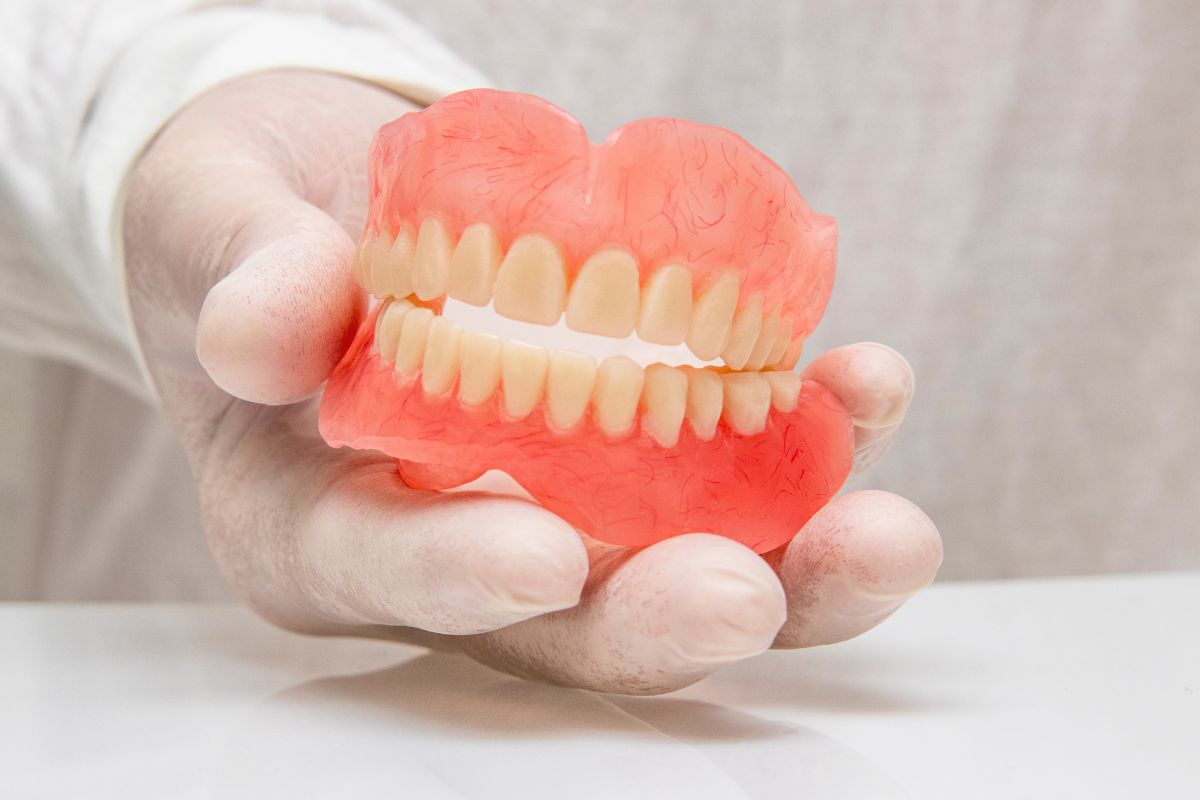
Dentures are removable dental appliances that replace missing teeth and the surrounding tissues. They come in two main types: full dentures and partial dentures. Full dentures are used when all teeth are missing, while partial dentures are ideal when some natural teeth remain.
According to the American College of Prosthodontists, about 90% of people with tooth loss wear dentures, making them one of the most popular tooth replacement options in the U.S.
Types of Dentures
- Full Dentures
Full dentures, also known as complete dentures, are recommended for patients who have lost all of their natural teeth. These dentures rest on the gums and cover the roof of the mouth or the bottom jaw. They are usually made from acrylic resin and are custom-fit to your mouth.
- Partial Dentures
Partial dentures are used when you still have some of your natural teeth. They consist of replacement teeth attached to a pink or gum-colored base. Partial dentures are often connected to your natural teeth with metal clasps, providing stability and preventing the remaining teeth from shifting.
- Implant-Supported Dentures
For patients looking for a more secure fit, implant-supported dentures may be the perfect solution. These dentures are anchored to dental implants placed into the jawbone, providing more stability and preventing slippage. This option combines the affordability of dentures with the security of implants.
If you’re in the Henderson area and considering dentures, visiting an experienced dentist is essential to ensure a perfect fit and successful treatment.
How Are Dentures Made?
The process of making dentures involves several steps. First, your dentist will take impressions of your gums and any remaining teeth. These impressions are used to create a custom-fitted set of dentures. Before your final set is made, your dentist may create a wax model of your dentures to ensure a proper fit. Adjustments can be made at this stage to make sure the dentures are comfortable and functional.
Once the dentures are made, you’ll return to the dentist for a fitting. In many cases, there may be a period of adjustment as you get used to wearing them. Your Dentist will provide tips on caring for your new dentures and help you get comfortable with them over time.
Pros and Cons of Dentures
Pros
- Affordability: Dentures are generally less expensive than dental implants.
- Non-invasive: Dentures do not require surgery, unlike dental implants, making them a great option for patients who may not be eligible for surgery.
- Custom-fit: Dentures are custom-made to fit the individual’s mouth, ensuring a more natural appearance and comfortable fit.
Cons
- Maintenance: Dentures require regular cleaning and maintenance to ensure they stay in good condition and do not cause infections.
- Stability: Traditional dentures may slip or move, especially if they are not properly fitted.
- Bone loss: Over time, wearing dentures can lead to bone loss in the jaw, as they do not stimulate the bone like natural teeth or implants do.
How Do Dentures Compare to Dental Implants?
While Dentures are a common and affordable option, some patients consider dental implants. Unlike dentures, implants are surgically placed into the jawbone and act as artificial tooth roots. Implants provide more stability and help prevent bone loss, which is a major advantage over dentures.
However, implants are more expensive and require a more invasive procedure. The choice between dentures and implants ultimately depends on factors such as budget, health, and personal preference. Consulting with a dentist can help you decide which option is best for you.
How to Care for Your Dentures
Proper care is essential to ensure your dentures last and remain in good condition. Here are some tips to follow:
- Clean your dentures daily: Use a soft-bristled toothbrush and a non-abrasive cleanser to clean your dentures daily. This helps remove food particles and plaque.
- Soak your dentures: Dentures should be soaked in water or a denture-cleaning solution overnight. This helps prevent them from drying out and losing their shape.
- Handle with care: Dentures are delicate, so be sure to handle them carefully to avoid dropping and damaging them.
- Regular check-ups: Visit your dentist regularly to check the fit of your dentures and ensure your gums are healthy.
Signs You May Need Dentures
If you’re experiencing certain dental issues, it might be time to consider dentures. Here are some signs to watch for:
- Severe Tooth Decay or Damage If multiple teeth are severely decayed or damaged beyond repair, dentures may be the best solution to restore functionality and appearance.
- Gum Disease Advanced gum disease can lead to tooth loss. In these cases, dentures can help replace the missing teeth and restore your smile.
- Missing Teeth Whether due to trauma, decay, or gum disease, missing teeth can impact your ability to eat, speak, and smile with confidence. Dentures can replace those missing teeth and improve your quality of life.
Conclusion: Are Dentures Right for You?
Dentures have come a long way and remain a highly effective solution for tooth replacement. Whether you’re looking for full, partial, or implant-supported dentures, consulting a qualified dentist will help you determine the best option for your unique needs.
Dentures can help you regain the ability to eat and speak properly while also improving your appearance. With proper care and regular dental visits, dentures can last for many years and significantly boost your quality of life.