
880 Seven Hills Drive, Suite 130, Henderson, NV 89052
Is Sleep Apnea Treatment Right for You? What We Evaluate

Aspire Dental | September 28, 2026
If you wake up exhausted despite a full night’s sleep, you may have sleep apnea. Many Henderson residents live with this condition without realizing it. Wondering is sleep apnea treatment right for you and what we evaluate in Henderson starts with understanding your symptoms, health history, and lifestyle. At Aspire Dental, Dr. Christopher Capener takes a thorough, patient-centered approach to determining the right path forward.
Understanding Sleep Apnea and Who It Affects
Sleep apnea is a condition where breathing repeatedly stops during sleep. These interruptions can happen dozens or even hundreds of times each night. The most common type is obstructive sleep apnea, caused by soft tissue collapsing in the throat. Left untreated, it raises the risk of serious health issues like heart disease and high blood pressure.
Sleep apnea does not only affect older adults or overweight individuals. It can affect people of various ages and body types. Certain anatomical features, like a narrow airway or enlarged tonsils, also increase risk. Even children can develop sleep-disordered breathing that requires evaluation.
Common signs that you may have sleep apnea include:
- Loud, frequent snoring
- Waking up with a dry mouth or headache
- Gasping or choking during sleep
- Daytime fatigue and difficulty concentrating
- Irritability or mood changes
- Frequent nighttime awakenings
If several of these symptoms sound familiar, you are likely a good candidate for evaluation. Dr. Capener helps patients across Henderson identify whether their symptoms point to sleep apnea. The right diagnosis makes all the difference in finding effective relief.
What We Evaluate During Your Henderson Sleep Apnea Consultation
Determining whether sleep apnea treatment is right for you requires a structured evaluation. At Aspire Dental, we do not rely on guesswork. Our process is designed to gather meaningful information about your health, habits, and airway anatomy. This helps us recommend the most appropriate treatment option for your situation.
During your consultation, Dr. Capener will review the following:
- Sleep history: How long you have experienced symptoms and how they affect your daily life
- Medical history: Existing conditions like hypertension, diabetes, or acid reflux that often co-occur with sleep apnea
- Oral and airway examination: Assessment of jaw size, tongue position, tonsils, and soft palate
- BMI and neck circumference: Physical factors that influence airway obstruction risk
- Sleep study results: If you have already completed a home or lab sleep study, we review those findings carefully
If you have not yet had a sleep study, Dr. Capener may coordinate a referral. A formal diagnosis typically requires an Apnea-Hypopnea Index reading from a sleep study. This number tells us how many breathing disruptions occur per hour. It helps determine the severity of your condition and which treatment will work best.
Factors That Determine the Best Treatment Approach
Not every patient with sleep apnea needs the same treatment. The best approach depends on the severity of your condition and your individual preferences. Dr. Capener takes time to explain every option so you can make an informed decision. There is no one-size-fits-all solution for sleep apnea care.
For mild to moderate obstructive sleep apnea, oral appliance therapy is often an excellent choice. A custom-fitted dental device repositions the jaw to keep the airway open during sleep. Many patients find it far more comfortable and convenient than CPAP therapy. It is small, portable, and easy to maintain.
For more severe cases, CPAP therapy may still be the gold standard. However, some patients struggle with CPAP compliance due to discomfort or claustrophobia. In those situations, an oral appliance may serve as a viable alternative or complement. Dr. Capener works closely with sleep physicians to find what truly works for each patient.
Other factors we consider when determining your treatment plan include:
- Your current bite alignment and jaw joint health
- Whether you grind your teeth at night
- Your tolerance for various treatment devices
- Any prior treatment attempts and their results
How Dental Treatment Fits Into Your Overall Sleep Health
Many people do not realize that dentists play a significant role in sleep apnea care. Dr. Capener is trained to identify oral signs of sleep-disordered breathing. These include worn teeth, scalloped tongue edges, and specific jaw alignment patterns. Catching these signs early can lead to faster diagnosis and treatment.
Oral appliance therapy provided by a dentist is recognized by sleep medicine organizations as an effective treatment option. It works by holding the lower jaw slightly forward during sleep. This prevents the tongue and soft tissue from blocking the airway. Patients often see improvements in sleep quality within the first few weeks of consistent use.
Dental sleep medicine also connects naturally to other aspects of your oral health. Conditions like temporomandibular joint disorder can influence which oral appliance is most appropriate. If you have experienced dental trauma or tooth loss, our team can discuss options like Implant Dentistry Henderson that may affect device fit. We take a whole-mouth view when planning your care.
If you ever experience a sudden worsening of symptoms or a dental emergency related to your device or oral health, our team is here to help. We offer Emergency Treatment Henderson so you are never left without support when it matters most.
Taking the Next Step Toward Better Sleep in Henderson
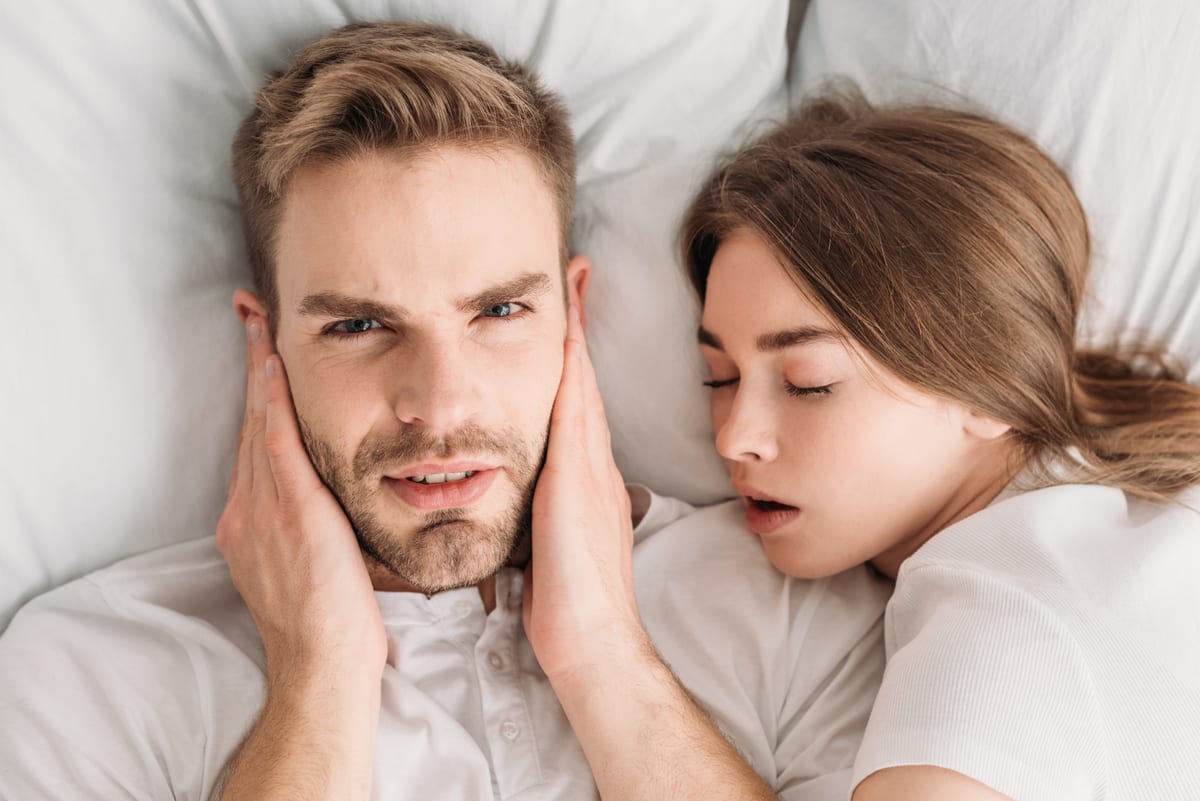
If you have been struggling with poor sleep, daytime fatigue, or a partner’s complaints about your snoring, do not wait to seek help. Sleep apnea is a serious medical condition, but it is also very treatable. The first step is simply having an honest conversation with a knowledgeable dental professional. Dr. Capener and the Aspire Dental team are ready to listen and guide you.
Henderson residents deserve quality sleep and the energy to enjoy everyday life. A thorough evaluation gives you the clarity needed to move forward with confidence. You will leave your consultation with a clear picture of your condition and realistic options for treatment. That peace of mind alone is worth the visit.
Whether you are newly diagnosed or have tried treatment before without success, Aspire Dental is here to help you find what works. Book Now to schedule your appointment with our team.
Frequently Asked Questions
How do I know if I need sleep apnea treatment?
Common signs include loud snoring, waking up unrefreshed, morning headaches, and excessive daytime sleepiness. A consultation with Dr. Capener at Aspire Dental in Henderson can help determine whether these symptoms point to sleep apnea. A formal sleep study is typically needed to confirm a diagnosis.
Can a dentist really treat sleep apnea?
Yes. Dentists trained in dental sleep medicine can provide oral appliance therapy for mild to moderate obstructive sleep apnea. Dr. Capener works collaboratively with sleep physicians to ensure patients receive appropriate, well-coordinated care. Oral appliances are a recognized and effective treatment option.
Is oral appliance therapy comfortable to wear?
Most patients adjust to oral appliances within a few weeks. They are custom-fitted to your mouth for a precise and comfortable fit. Many people find them significantly more comfortable than CPAP machines. Dr. Capener will make any necessary adjustments to ensure optimal comfort and effectiveness.
Do I need a sleep study before starting treatment?
A formal diagnosis typically requires a sleep study, either completed at home or in a sleep lab. This study measures how often your breathing is disrupted during sleep. If you have not yet had a sleep study, our team can help coordinate a referral to an appropriate specialist in the Henderson area.
How long does sleep apnea treatment take to work?
Many patients notice improvements in sleep quality within the first few weeks of consistent treatment. The timeline varies depending on the severity of your condition and the type of treatment used. Follow-up appointments help Dr. Capener monitor your progress and make adjustments as needed for the best long-term results.