880 Seven Hills Drive, Suite 130, Henderson, NV 89052
Cigarettes & Your Teeth: How Smoking Impacts Your Oral Health
Aspire Dental | October 9, 2024
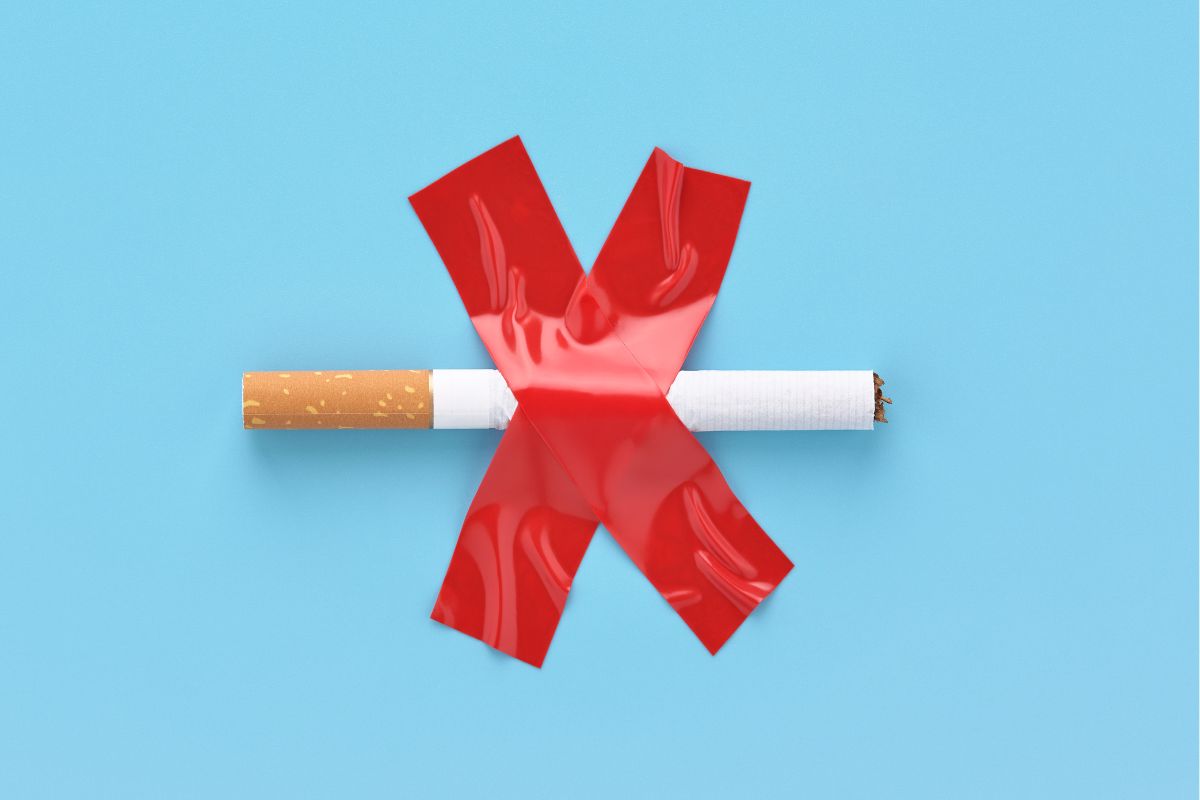
Smoking has long been associated with a variety of health risks, including lung disease, heart issues, and cancer. However, the detrimental effects on oral health are often overlooked. Cigarettes not only harm your teeth and gums but can lead to long-term, irreversible damage. This blog will dive deep into how smoking impacts your teeth, gums, and overall oral health, and why quitting is essential for maintaining a healthy smile.
The Immediate Effects of Smoking on Oral Health
1. Discoloration and Staining of Teeth
One of the most noticeable effects of smoking is teeth discoloration. The nicotine and tar in cigarettes quickly stain teeth, turning them yellow or brown over time. According to the American Dental Association, smokers are twice as likely to develop severe tooth discoloration compared to non-smokers.
If you’ve noticed your teeth becoming increasingly stained, it’s crucial to visit your Dentist in Henderson for professional cleaning or consider teeth whitening treatments. Quitting smoking is essential to prevent further discoloration and maintain your teeth’s natural color.
2. Increased Plaque and Tartar Buildup
Smoking affects saliva production, which is essential for washing away food particles and neutralizing acids in the mouth. This leads to an increase in plaque and tartar buildup, which, if left untreated, can result in gum disease and tooth decay. Smokers may need more frequent dental cleanings than non-smokers to manage this risk.
Long-Term Effects: Smoking and Gum Disease
1. Gum Disease: The Hidden Danger
Gum disease, or periodontal disease, is more common in smokers. In fact, studies show that smokers are twice as likely to develop gum disease than non-smokers. The chemicals in cigarettes weaken the immune system, making it harder for your body to fight off infections, including those in the gums.
Symptoms of gum disease include:
- Red, swollen, or bleeding gums
- Persistent bad breath
- Receding gums, which can make teeth appear longer
- Loose or shifting teeth
If you notice any of these symptoms, it’s important to contact your Dentist Henderson for an evaluation. Early detection and treatment of gum disease can prevent more serious problems down the road.
2. Bone Loss and Tooth Loss
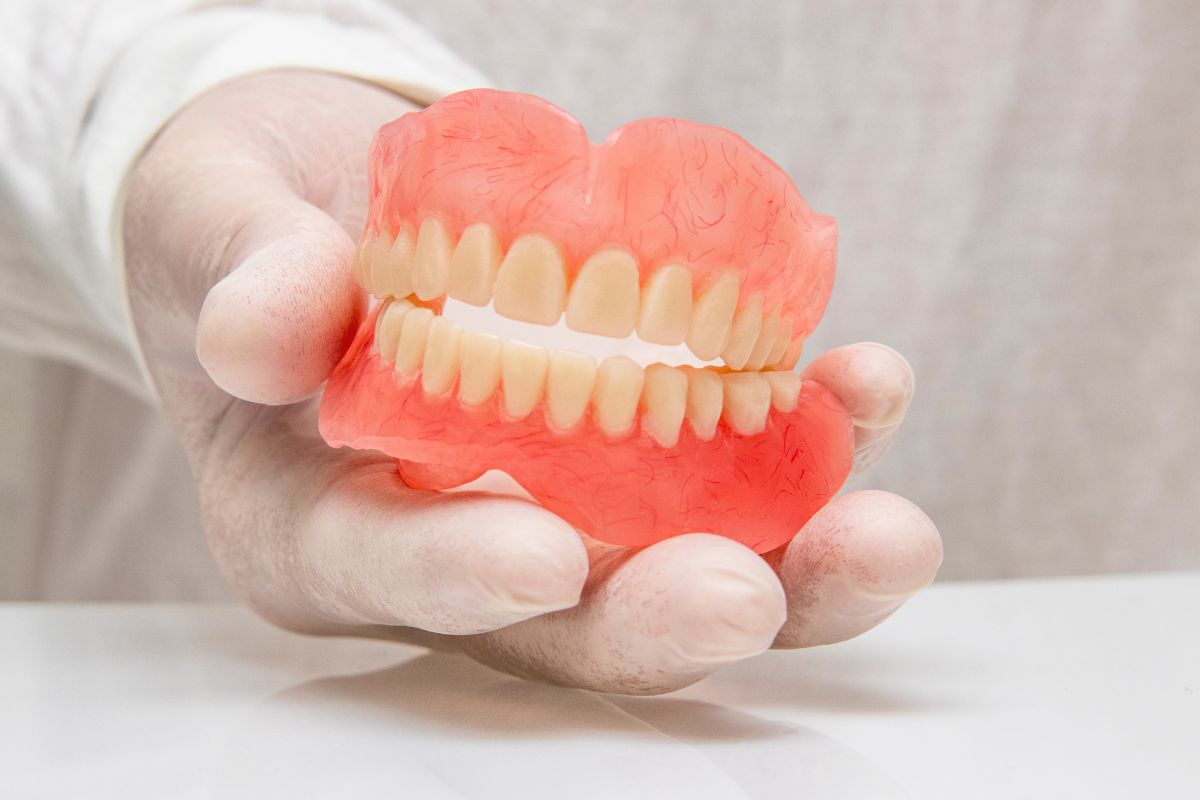
The nicotine in cigarettes restricts blood flow to the gums, which impairs healing and contributes to bone loss around the teeth. Over time, this can cause teeth to become loose or even fall out. According to the Centers for Disease Control and Prevention (CDC), smokers are twice as likely to lose their teeth compared to non-smokers.
Oral Cancer: A Serious Risk for Smokers
1. Increased Risk of Oral Cancer
Smoking is one of the leading causes of oral cancer. In the United States, approximately 90% of people with oral cancer use tobacco. The combination of nicotine, tar, and other chemicals in cigarettes can lead to the development of cancerous cells in the mouth, throat, and lips.
Oral cancer can present itself as:
- Persistent mouth sores
- Difficulty chewing or swallowing
- Unexplained lumps or patches in the mouth
- A change in the way your teeth fit together
The best way to reduce your risk of oral cancer is to quit smoking. Regular visits to your Dentist Henderson for screenings are essential for early detection and treatment.
The Impact of Smoking on Dental Procedures
1. Complications After Dental Surgery
Smoking can complicate dental procedures and delay healing. For instance, smokers have a higher risk of developing a painful condition called dry socket after a tooth extraction. This is because smoking inhibits blood flow, which is necessary for proper healing after dental surgery.
If you’re considering procedures such as dental implants or tooth extractions, your Dentist Henderson will likely recommend quitting smoking beforehand to ensure a smooth recovery.
2. Lower Success Rates for Dental Implants
Dental implants require the jawbone to fuse with the implant for long-term stability. Smoking hinders this process, making implant failure more likely. Smokers may also experience more gum complications around the implant site. If you’re a smoker, it’s important to have an open conversation with your Henderson Dentist about the risks before opting for dental implants.
How to Protect Your Teeth from Smoking Damage
1. Regular Dental Visits
One of the best ways to minimize the effects of smoking on your oral health is by visiting your Dentist Henderson regularly. Smokers should have cleanings and exams more frequently than non-smokers, as this helps to catch issues like gum disease and tooth decay early.
2. Practice Good Oral Hygiene
Even if you continue to smoke, maintaining excellent oral hygiene is key. This includes:
- Brushing twice a day with fluoride toothpaste
- Flossing daily to remove plaque between teeth
- Using an antibacterial mouthwash to help reduce bacteria in the mouth
3. Consider Quitting Smoking
The most effective way to protect your teeth and gums is to quit smoking. The benefits to your oral health start almost immediately after quitting, as the risk of gum disease, tooth loss, and oral cancer begins to decrease. Your Henderson Dentist can provide resources and recommendations to help you quit.
Conclusion: Don’t Let Smoking Take Your Smile Away
Smoking not only affects your lungs and overall health but also significantly harms your teeth and gums. From discoloration and gum disease to an increased risk of oral cancer, the dangers are real. If you’re a smoker, it’s essential to take extra care of your oral health by visiting your Dentist Henderson regularly and practicing good oral hygiene.
The best solution, of course, is to quit smoking altogether. Your teeth—and your overall health—will thank you.