880 Seven Hills Drive, Suite 130, Henderson, NV 89052
Exploring The Latest Advancements In Orthodontics
Aspire Dental | September 14, 2023
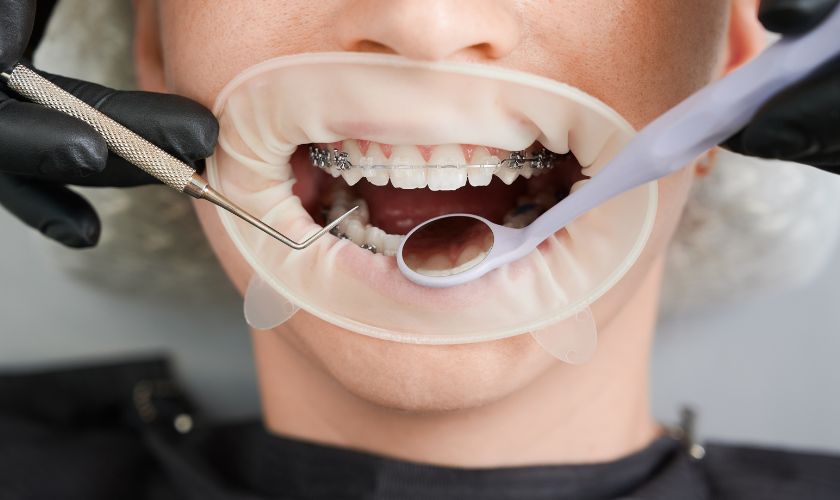
Orthodontics is a rapidly evolving field of dentistry that focuses on correcting misaligned teeth and jaws to improve oral health and aesthetics. Recent advancements in orthodontic technology and techniques have revolutionized the way orthodontists diagnose and treat various orthodontic issues. In this article, we’ll explore some of the latest advancements in orthodontics that are transforming the way people achieve beautiful, straight smiles.
Digital Impressions
Traditional orthodontic impressions often involved uncomfortable molds filled with gooey material. However, digital impressions have replaced this outdated method. Using advanced scanning technology, orthodontists can create precise 3D models of a patient’s teeth and bite. This process is faster, more comfortable, and highly accurate.
3D Printing
3D printing technology has made a significant impact on orthodontics. Orthodontists can now create customized orthodontic appliances, such as clear aligners and retainers, more efficiently and with greater precision. This not only improves the fit and comfort of these devices but also enhances treatment outcomes.
Advanced Imaging Techniques
Orthodontists now have access to advanced imaging techniques like cone-beam computed tomography (CBCT). CBCT provides detailed 3D images of the teeth, bones, and surrounding structures, allowing for more accurate treatment planning, especially in complex cases involving impacted teeth or surgical orthodontics.
Customized Treatment Plans
With the help of computer software and digital models, orthodontists can create highly customized treatment plans for each patient. This level of personalization ensures that orthodontic treatment is tailored to address a patient’s specific needs and achieve the best possible results.
Accelerated Orthodontics
Accelerated orthodontic techniques have gained popularity, allowing patients to achieve their desired results in less time. Methods like Propel and AcceleDent use micro-pulses or minor surgical procedures to accelerate tooth movement, reducing the overall treatment duration.
Clear Aligners
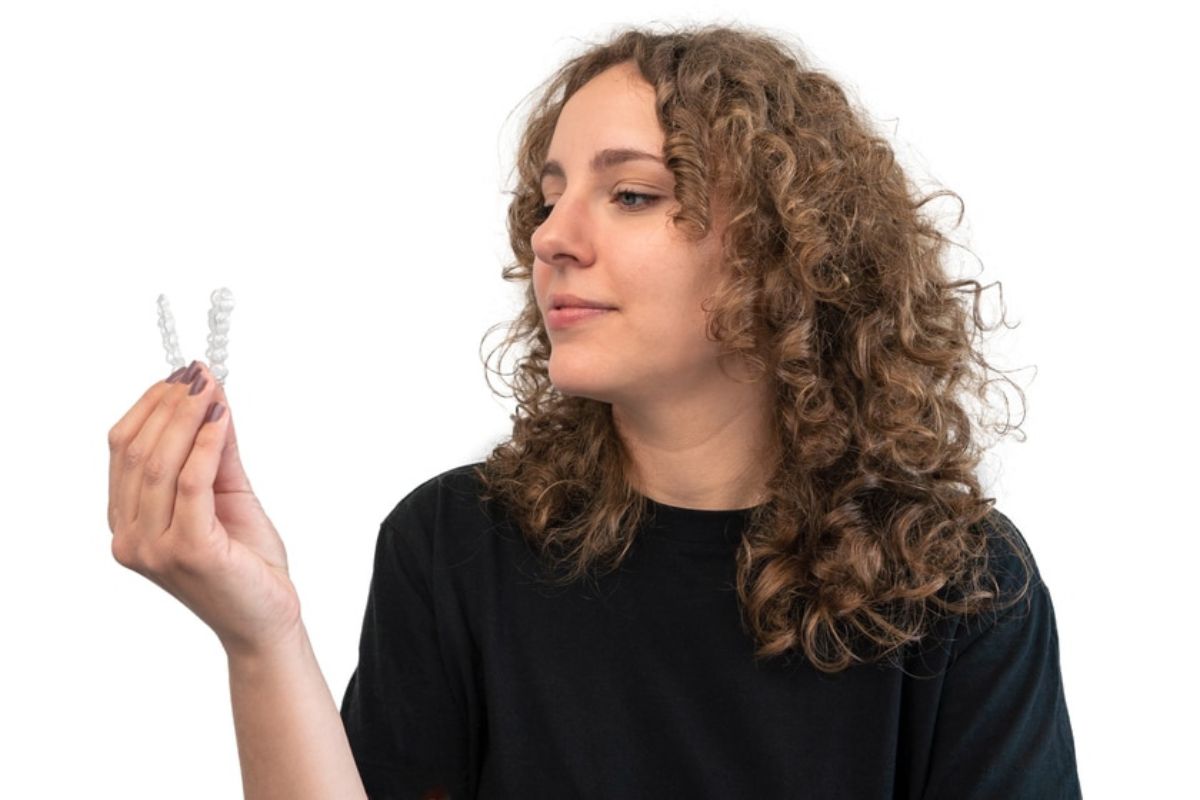
Clear aligner technology, popularized by brands like Invisalign, has become a mainstream choice for orthodontic treatment. Clear aligners offer a discreet, comfortable, and convenient alternative to traditional braces. Ongoing advancements in materials and design have improved the effectiveness of clear aligners, making them suitable for an even wider range of orthodontic issues.
Teledentistry
The advent of telehealth has extended to orthodontics with the rise of teledentistry platforms. Patients can now consult with orthodontists remotely, receive treatment updates, and monitor progress through virtual appointments. This convenient option has become particularly useful in recent times, allowing for continued orthodontic care during the COVID-19 pandemic.
Low-Force Orthodontics
Low-force orthodontic techniques prioritize the health and comfort of patients by applying gentle, continuous forces to move teeth. This approach reduces the risk of root resorption and other potential side effects associated with traditional high-force orthodontics.
The Bottom Line
The field of orthodontics continues to evolve, thanks to advancements in technology and treatment approaches. These innovations not only make orthodontic treatment more comfortable and efficient but also expand the possibilities for individuals seeking to achieve straighter and healthier smiles. If you’re considering orthodontic treatment, it’s essential to consult with an experienced orthodontist who can discuss the latest advancements and determine the best approach to meet your specific needs and goals.