880 Seven Hills Drive, Suite 130, Henderson, NV 89052
How a Dentist Protects Teeth After Tooth Loss?
Aspire Dental | February 25, 2026
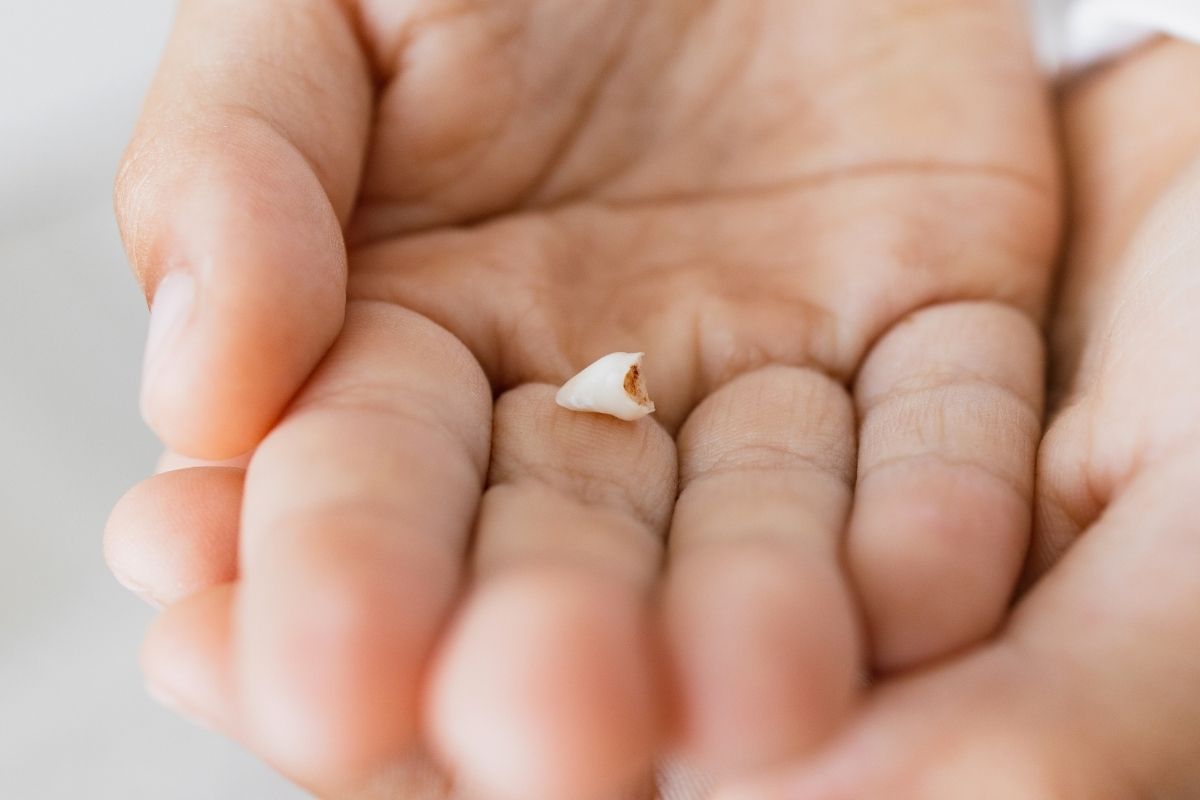
When a tooth is lost, the rest of the smile must quickly adapt. A dentist protects the remaining teeth by restoring the missing space, balancing the bite, and guiding patients on habits that prevent further damage. Early treatment is important because the teeth surrounding the gap may begin to shift or experience extra pressure during chewing. Patients often look for a trusted dentist in Henderson soon after tooth loss because prompt care helps maintain stability in the mouth and prevents future complications.
The focus is not only on replacing missing teeth but also on preserving the health of the teeth that remain. With thoughtful treatment and consistent dental care in Henderson, patients can keep their smiles strong and functional for many years.
Why Tooth Loss Impacts the Entire Smile
Each tooth plays a role in supporting the others. When a tooth disappears from the dental arch, nearby teeth may begin to drift into the open space. This movement can change the alignment of the bite and increase the risk of wear or damage.
Many people are surprised to learn that losing even a single tooth can create long term oral health challenges. A dentist often explains that tooth loss may lead to several changes inside the mouth.
- Teeth may slowly shift toward the gap.
- Chewing pressure may become uneven.
- The jawbone in the missing tooth area may begin to shrink.
- Gums around nearby teeth may become more vulnerable to infection.
Receiving timely dental care in Henderson allows patients to address these concerns before they lead to more complex problems.
Replacing the Missing Tooth Helps Protect Others
One of the most effective ways a dentist protects the remaining teeth is by restoring the empty space created by tooth loss. When the gap is filled, the surrounding teeth are less likely to move out of position. Common treatment options include dental implants, dental bridges, and removable partial dentures. Each option is designed to restore chewing function while supporting the health of neighboring teeth.
Dental implants are often recommended because they replace both the root and the visible portion of the tooth. This helps stimulate the jawbone and maintain stability in the mouth. Dental bridges can also restore function by connecting an artificial tooth to the teeth on either side of the gap. This approach prevents surrounding teeth from shifting.
Maintaining Bite Balance After Tooth Loss
Another important part of treatment involves restoring balance to the bite. When a tooth is missing, other teeth may absorb more chewing pressure than they were designed to handle.
Over time this added stress may cause enamel wear, sensitivity, or even cracks in the remaining teeth. A dentist works to correct these issues by adjusting the bite and recommending restorations that distribute chewing forces evenly.
When the bite functions properly, the remaining teeth can work together without excessive strain. This balance helps preserve their strength and longevity.
Supporting Jawbone Health
The jawbone depends on stimulation from tooth roots to remain strong. After a tooth is lost, the bone in that area may gradually shrink because it is no longer being stimulated during chewing.
This change can affect the stability of nearby teeth and may even alter facial structure over time. A dentist may recommend treatments that support bone health, especially when tooth loss has occurred.
Dental implants are particularly helpful because they function like natural roots and help maintain bone density. Protecting bone health is an essential part of long term dental care in Henderson and helps support the remaining teeth.
Ongoing Monitoring of Remaining Teeth
Regular dental visits become even more important after losing a tooth. The remaining teeth must stay healthy to maintain balance within the smile.
During routine appointments, a dentist carefully monitors the position and health of surrounding teeth. These visits allow early signs of shifting, gum problems, or uneven wear to be addressed quickly.
Patients living in Henderson often benefit from consistent dental checkups because preventive care helps avoid complications after tooth loss.
During discussions with patients, dental professionals also explain how the responsibility of a dentist in preventing tooth loss and protecting existing teeth involves early diagnosis, personalized treatment planning, and guidance on maintaining daily oral health habits.
Daily Habits That Help Protect Remaining Teeth
Professional treatment works best when it is supported by healthy habits at home. Our trusted dentist in Henderson often encourages patients to maintain consistent oral care routines that help protect the rest of their smile.
Patients are usually advised to brush twice each day using fluoride toothpaste and clean between the teeth with floss or interdental cleaners. Reducing sugary snacks and beverages can also help prevent decay in the remaining teeth.
For individuals who grind their teeth at night, a custom night guard may be recommended to prevent unnecessary wear. These small steps can make a significant difference in preserving oral health after tooth loss.
Conclusion
Tooth loss affects more than appearance. It can change the way teeth function together and place additional stress on the surrounding structures. A skilled dentist focuses on protecting the remaining teeth by restoring missing spaces, maintaining bite balance, and monitoring the health of the entire mouth.
By addressing tooth loss early and maintaining regular dental visits, patients can preserve the strength of their natural teeth and support long-term oral health.
If you have experienced tooth loss or want guidance on protecting the rest of your smile, professional care can help you understand the best next steps. The team at Aspire Dental provides patient-focused care designed to maintain stability in your smile while supporting long-term oral health. Scheduling a consultation can help you explore options that keep your teeth healthy and functioning comfortably for years to come.
FAQs
Why is it important to see a dentist after losing a tooth?
Seeing a dentist soon after losing a tooth helps prevent nearby teeth from shifting into the empty space. Early treatment can restore bite balance, protect the jawbone, and reduce the risk of future dental problems.
What happens if a missing tooth is not replaced?
If a missing tooth is not replaced, surrounding teeth may gradually move toward the gap. This can lead to bite problems, uneven wear, gum issues, and difficulty chewing.
How do dentists prevent other teeth from shifting after tooth loss?
A dentist may recommend solutions such as dental implants, dental bridges, or partial dentures to fill the gap. These treatments help keep nearby teeth in place and maintain proper alignment.
Can tooth loss affect the jawbone?
Yes. When a tooth is lost, the jawbone in that area may begin to shrink because it no longer receives stimulation from the tooth root. Treatments like dental implants can help maintain bone strength and protect surrounding teeth.
How soon should a missing tooth be replaced?
Most dental professionals recommend addressing tooth loss as soon as possible. Visiting a dentist early allows the dentist to protect the remaining teeth and prevent alignment problems.