880 Seven Hills Drive, Suite 130, Henderson, NV 89052
Invisalign vs. Traditional Braces: Finding Your Ideal Alignment
Aspire Dental | October 6, 2023
Choosing between Invisalign and traditional braces for a confident smile and better oral health can be challenging. We’ll explore the pros and cons of each, from Invisalign aligners to conventional braces’ metal brackets. Join us on this informative journey to make an informed decision.
Overview of Invisalign and Traditional Braces
Deciding between Invisalign and traditional braces for a confident smile and better oral health can be daunting due to the various options. In this post, we’ll weigh the pros and cons of each, from Invisalign aligners’ convenience to traditional braces’ reliable metal brackets. We’ll also discuss crucial factors to consider because choosing the proper method for teeth straightening can be challenging. So grab your favorite drink and join us on this informative orthodontic journey. By the end, you’ll have the knowledge to decide between Invisalign and traditional braces. Let’s begin!
Pros and Cons of Invisalign:
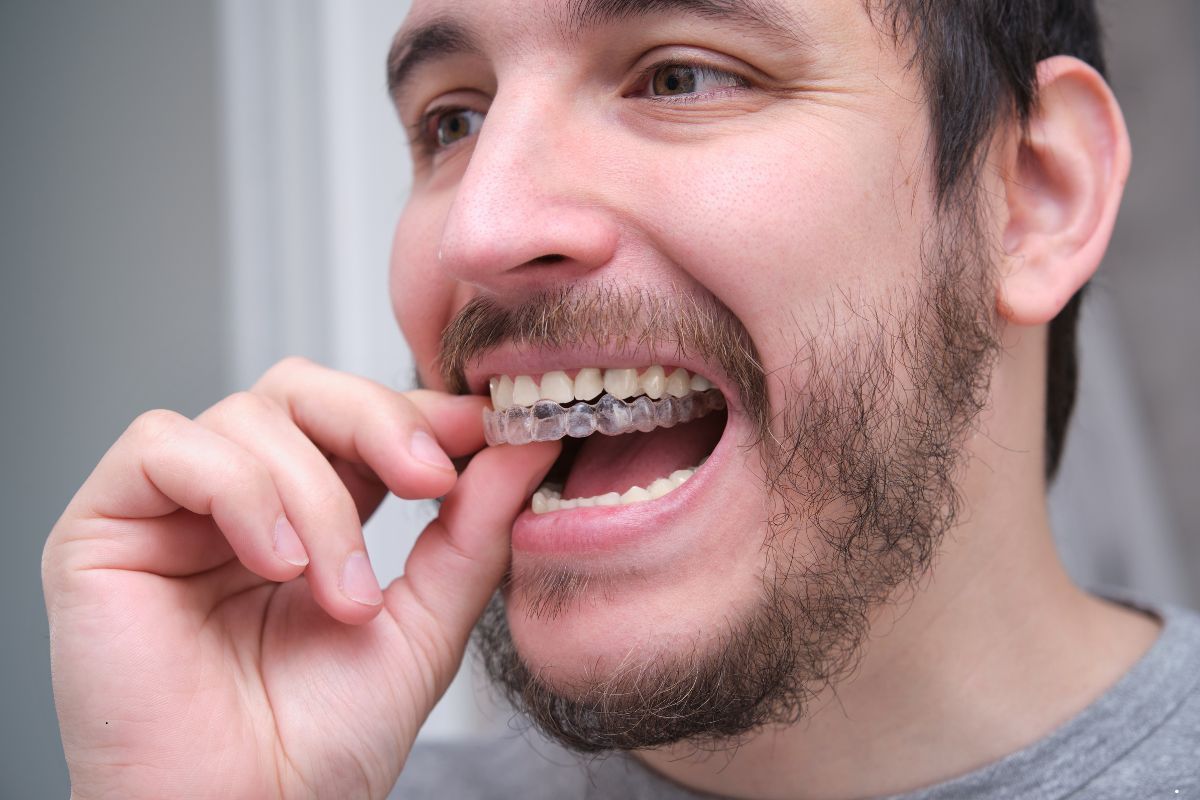
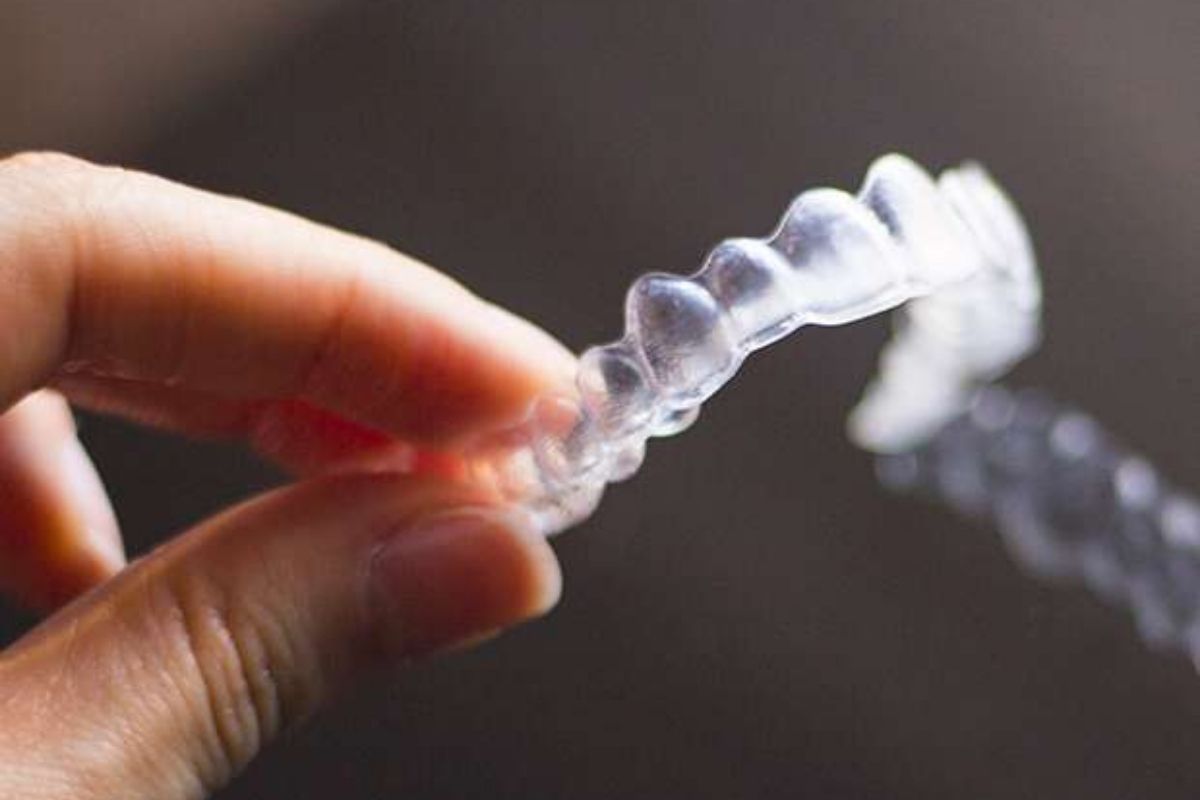
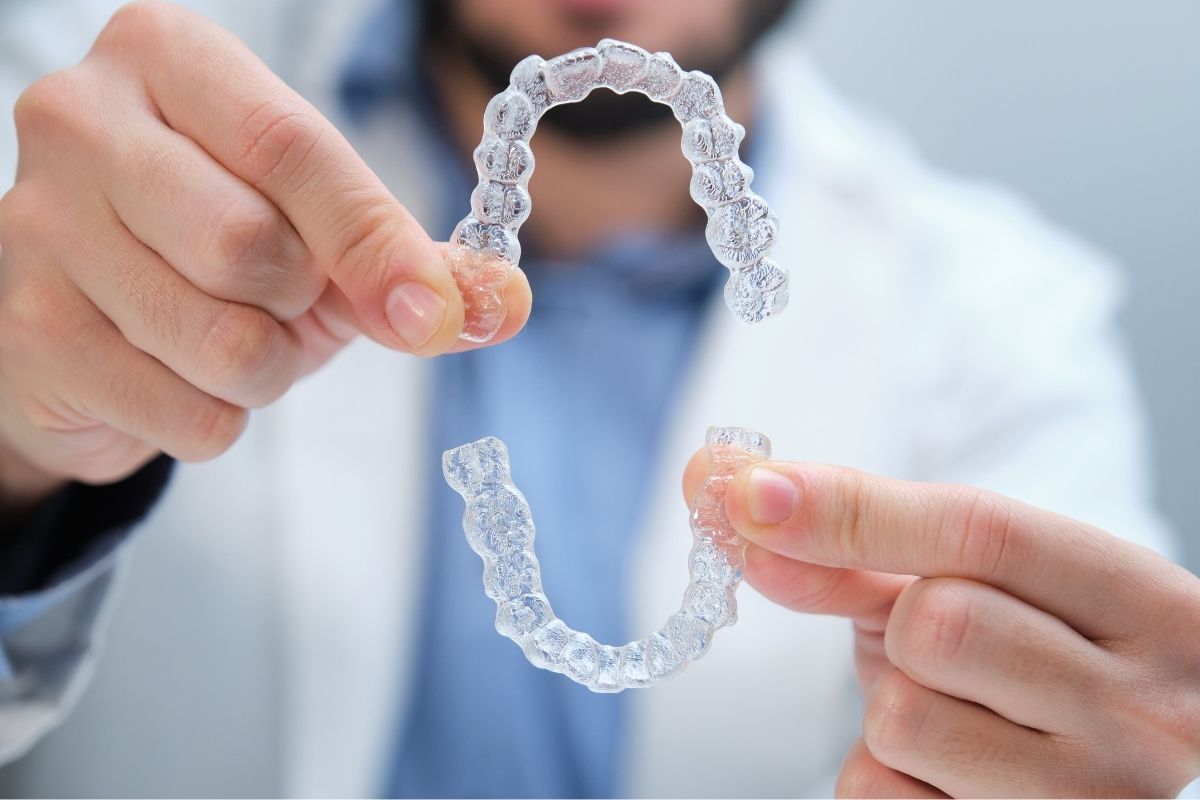
- Invisalign uses custom-made aligners, providing a discreet orthodontic treatment option.
- The aligners are virtually invisible, enhancing confidence during treatment.
- Invisalign offers convenience through removable aligners, allowing unrestricted eating and easy removal for special occasions.
- Many patients find Invisalign more comfortable than traditional braces due to the absence of sharp edges and wires.
- Compliance is crucial; success depends on wearing the aligners for at least 22 hours daily.
- Invisalign is effective for mild to moderate orthodontic issues but may not be suitable for complex cases.
- Consult an experienced orthodontist to determine whether Invisalign or traditional braces are the best option for your specific needs and desired results.
Pros and Cons of Traditional Braces:
- Traditional braces consist of metal brackets attached to teeth, connected by adjustable wires for gradual teeth alignment.
- They excel in treating complex dental issues like severe overcrowding and misaligned bites.
- Non-removability ensures patient compliance.
- Aesthetic concerns arise due to the noticeable appearance of metal brackets and wires.
- Maintenance and oral hygiene require extra effort to prevent plaque buildup and staining.
- Cosmetic dentist visits are necessary for adjustments and check-ups.
- Initial soreness after adjustments may occur but typically improves over time.
- Choosing between Invisalign and traditional braces should involve consultation with a cosmetic dentist or orthodontist, considering the severity of dental issues and personal preferences for aesthetics and convenience.
Factors to Consider When Choosing Between Invisalign and Traditional Braces
- Consider the appearance factor: Invisalign offers a virtually invisible option, making it discreet for those concerned about aesthetics.
- Consider comfort: Invisalign is often more comfortable than traditional braces due to its smooth plastic aligners.
- Evaluate convenience: Invisalign allows at-home aligner changes every two weeks, reducing the need for frequent dental visits compared to traditional braces.
- Prioritize oral hygiene: Traditional braces can make cleaning more challenging due to food particle traps. Invisalign’s removable aligners simplify mealtime and oral care routines.
- Cost: Consider the cost, considering that the difficulty level of your case may significantly affect the price.
- Guidance: Consult with an experienced cosmetic dentist to determine the best treatment option based on your unique preferences and needs, leveraging 3-D computer imaging technology for guidance toward a beautiful smile.
Success Rates of Invisalign vs. Traditional Braces
Invisalign and traditional braces both have solid success rates, with Invisalign achieving 70% to 90% success and conventional braces at 85% to 95%. Consult your cosmetic dentist for personalized advice and prioritize proper care and regular check-ups for success, regardless of your choice.