880 Seven Hills Drive, Suite 130, Henderson, NV 89052
The Plaque & Tartar Takedown: Your Prevention Playbook
Aspire Dental | July 10, 2024
A bright, healthy smile is not only aesthetically pleasing but also indicative of good oral health. Plaque and tartar build-up can compromise both the appearance of your teeth and your overall oral health. In this blog, we’ll explore practical tips for preventing plaque and tartar build-up and maintaining a healthier smile. If you need professional advice or treatment, a dentist can provide personalized care and solutions.
What is Plaque?
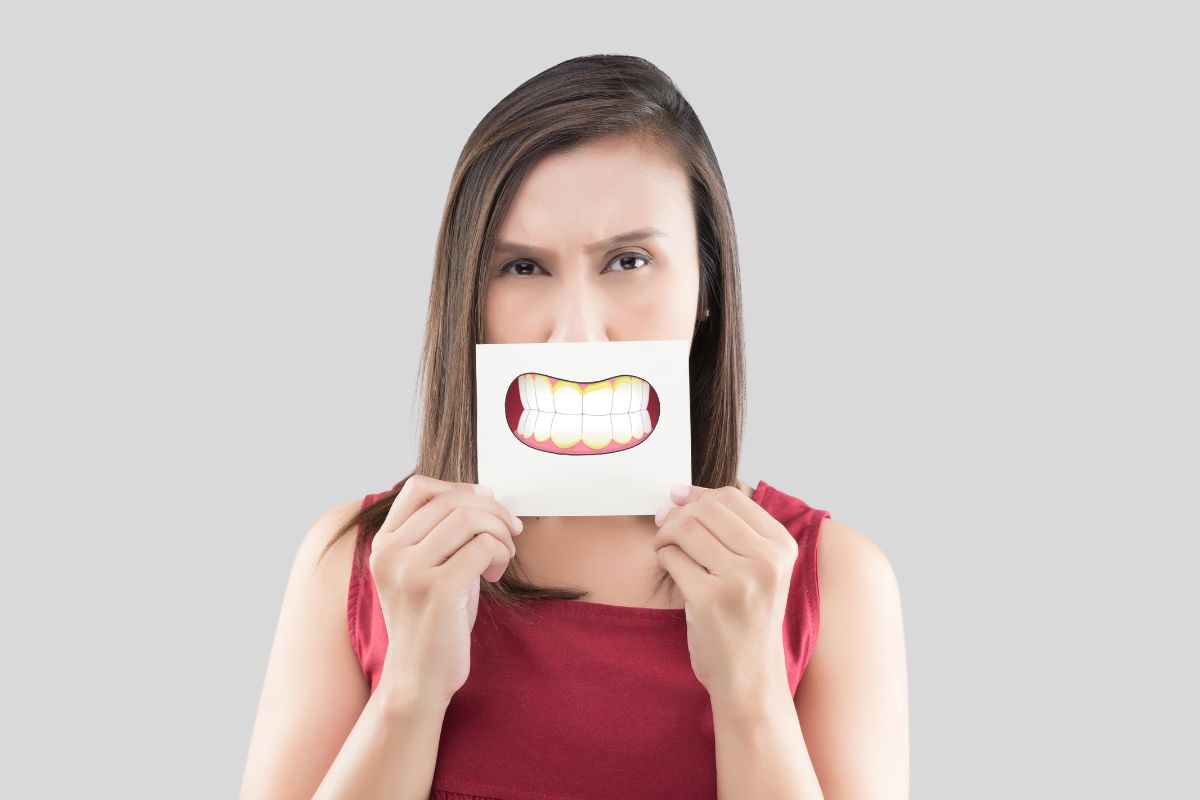
Plaque is a sticky, colorless film of bacteria that constantly forms on your teeth. It develops when bacteria in your mouth mix with sugary or starchy foods. Plaque can cause tooth decay and gum disease if not removed regularly.
What is Tartar?
Tartar, also known as calculus, is hardened plaque that has been left on the teeth and has mineralized. It forms a rough surface on your teeth and can only be removed by a dental professional. Tartar build-up can lead to more severe oral health issues, including periodontal disease.
The Impact of Plaque and Tartar on Oral Health
Plaque and tartar are major contributors to various dental problems. According to the Centers for Disease Control and Prevention (CDC), nearly half of adults aged 30 and older have some form of periodontal disease. The buildup of plaque and tartar often causes this condition. Regular visits to a dentist in Henderson can help monitor and manage these issues effectively.
Tooth Decay
When plaque is not removed, it produces acids that can erode the enamel, leading to cavities. Cavities, if left untreated, can cause pain, infection, and even tooth loss.
Gum Disease
Plaque build-up can irritate the gums, causing gingivitis, an early stage of gum disease. If not treated, gingivitis can progress to periodontitis, a more severe form of gum disease that can damage the soft tissue and bone supporting the teeth.
Tips for Preventing Plaque and Tartar Build-Up
Consistent oral hygiene practices, including daily brushing and flossing, along with regular professional dental cleanings, are essential for preventing plaque and tartar buildup.
Maintain a Consistent Oral Hygiene Routine
Brushing: Brush your teeth at least twice a day using fluoride toothpaste. Spend at least two minutes brushing each time, ensuring you reach all surfaces of your teeth. Use a toothbrush with soft bristles to avoid damaging your gums and tooth enamel.
Flossing: Floss daily to remove plaque and food particles between your teeth and under the gumline. Flossing is crucial for preventing plaque build-up in areas where your toothbrush can’t reach.
Mouthwash: Use an antimicrobial or fluoride mouthwash to help reduce plaque and prevent cavities. Mouthwash can also help freshen your breath and remove debris left after brushing and flossing.
Regular Dental Check-Ups and Cleanings
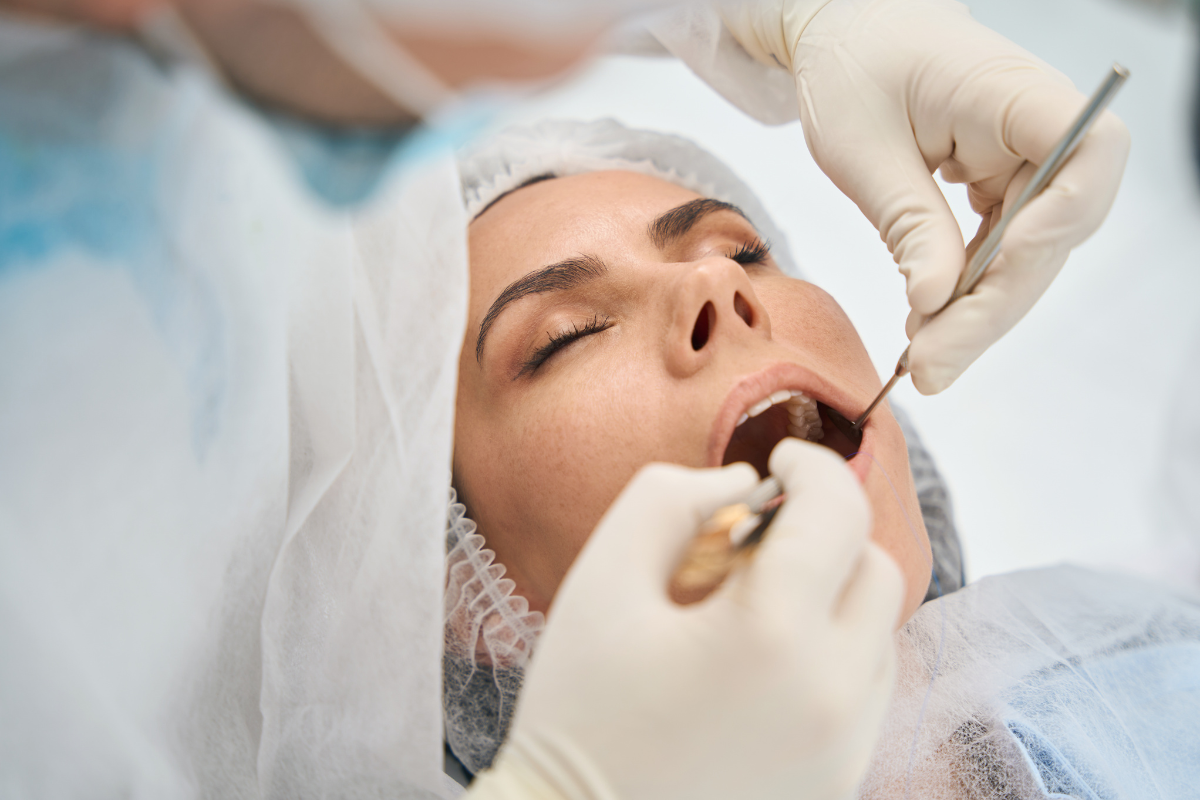
Visiting a dentist regularly for check-ups and professional cleanings is essential for maintaining oral health. Your dentist can remove tartar buildup and check for signs of tooth decay, gum disease, and other dental issues.
Healthy Diet and Lifestyle Choices
Limit Sugary and Starchy Foods: Sugary and starchy foods can contribute to plaque formation. Try to limit your intake of sweets, sodas, and snacks like chips and bread. Opt for healthier alternatives such as fruits, vegetables, and whole grains.
Drink Plenty of Water: Water helps wash away food particles and bacteria that can cause plaque. Drinking water also stimulates saliva production, which naturally helps protect your teeth from decay.
Avoid Tobacco Products: Smoking and using other tobacco products can increase the risk of tartar build-up and gum disease. Quitting smoking not only improves your oral health but also benefits your overall health.
Use Dental Tools Effectively
Electric Toothbrush: Consider using an electric toothbrush, which can be more effective at removing plaque than a manual toothbrush. Many electric toothbrushes come with timers to ensure you brush for the recommended two minutes.
Interdental Brushes: For individuals with braces, bridges, or wide gaps between their teeth, interdental brushes can be a valuable addition to their oral hygiene routine. These small brushes can reach areas that regular toothbrushes might miss.
The Role of Professional Care in Plaque and Tartar Prevention
Regular professional dental cleanings remove hardened tartar that at-home care cannot tackle, allowing hygienists to identify and address areas prone to plaque buildup. This plays a crucial role in preventing future issues.
Scaling and Root Planing
For patients with significant tartar build-up or early signs of gum disease, a dentist in Henderson might recommend scaling and root planing. This deep cleaning procedure removes tartar from above and below the gumline, smoothing the tooth roots to help the gums reattach to the teeth.
Fluoride Treatments
Fluoride treatments can help strengthen your tooth enamel and prevent decay. Your dentist can apply a fluoride gel or varnish during your regular dental visits.
Dental Sealants
Dental sealants are a protective coating applied to the chewing surfaces of the back teeth. They can help prevent plaque and food particles from getting trapped in the grooves and pits of your teeth, reducing the risk of cavities.
Conclusion
Preventing plaque and tartar build-up is essential for maintaining a healthy smile and overall oral health. By following a consistent oral hygiene routine, making healthy lifestyle choices, and seeking regular professional dental care, you can protect your teeth and gums from the harmful effects of plaque and tartar.
Remember, early detection and intervention are key to preventing serious dental issues. Schedule your next dental check-up today to ensure your smile stays bright and healthy for years to come.