
880 Seven Hills Drive, Suite 130, Henderson, NV 89052
Why Does Invisalign Hurt Your Gums? Causes, Relief, and Prevention


Aspire Dental | August 25, 2025
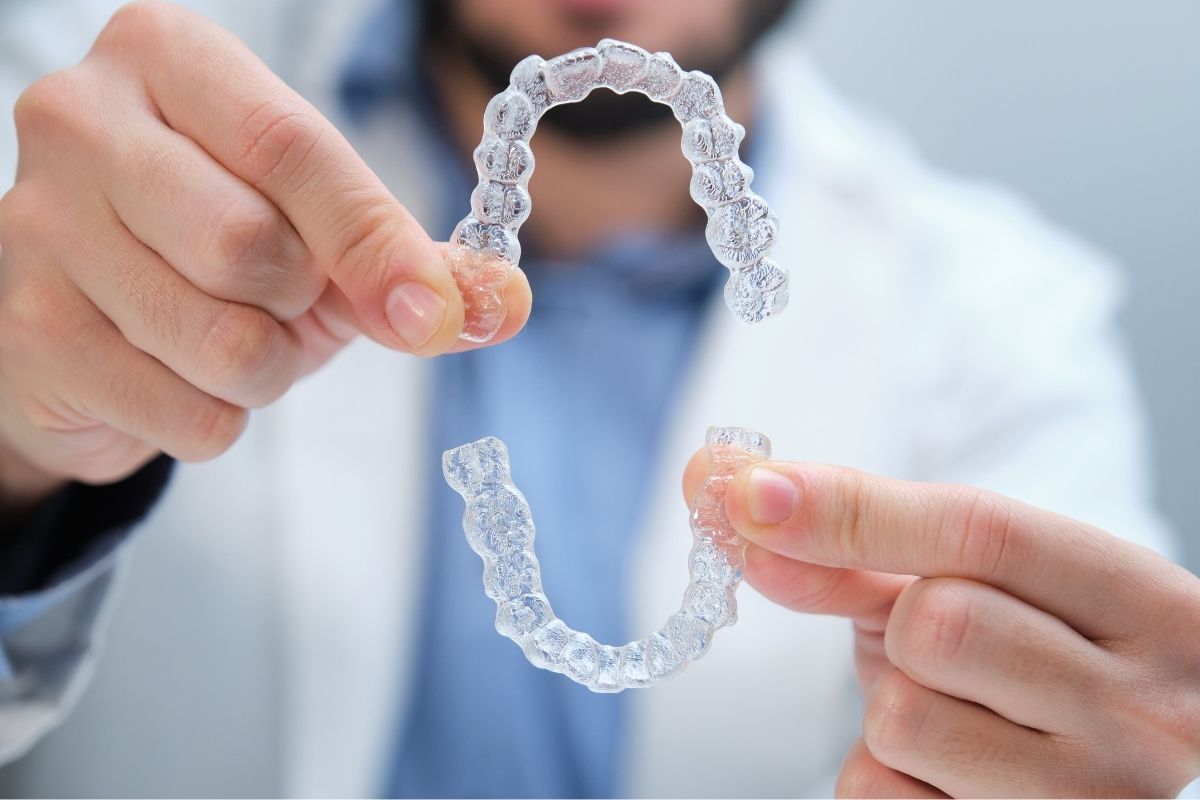
Invisalign has become one of the most popular orthodontic treatments for straightening teeth. Its clear aligners are discreet, removable, and more comfortable than traditional braces. But some patients still report discomfort, especially when it comes to gum irritation. If you’ve noticed Invisalign hurting gums or causing swelling, soreness, or itching, you’re not alone. Understanding why this happens and how to manage it can make your Invisalign journey much smoother.
At Aspire Dental, our orthodontist in Henderson often helps patients navigate common issues like gum pain with Invisalign. Here’s a breakdown of why it happens and what you can do about it.
Common Reasons Invisalign May Hurt Your Gums
While Invisalign is designed to fit snugly and move teeth gently, certain issues can lead to gum discomfort:
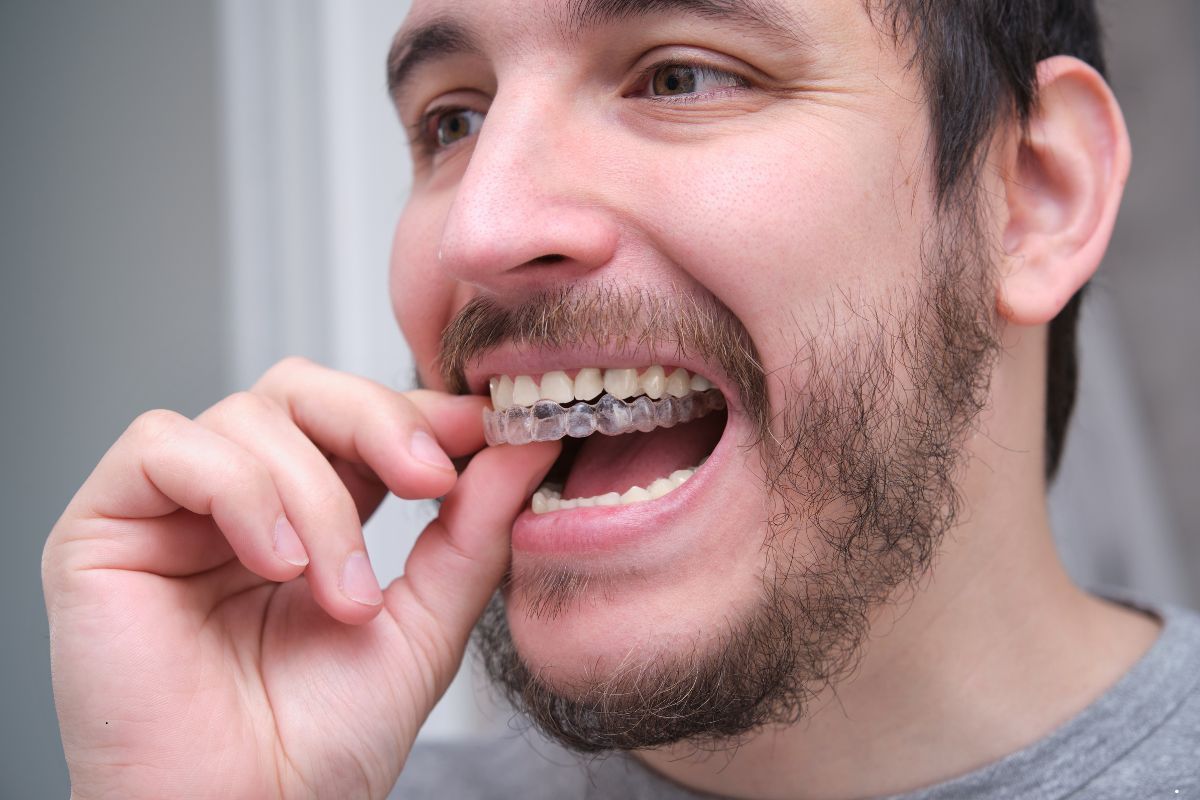
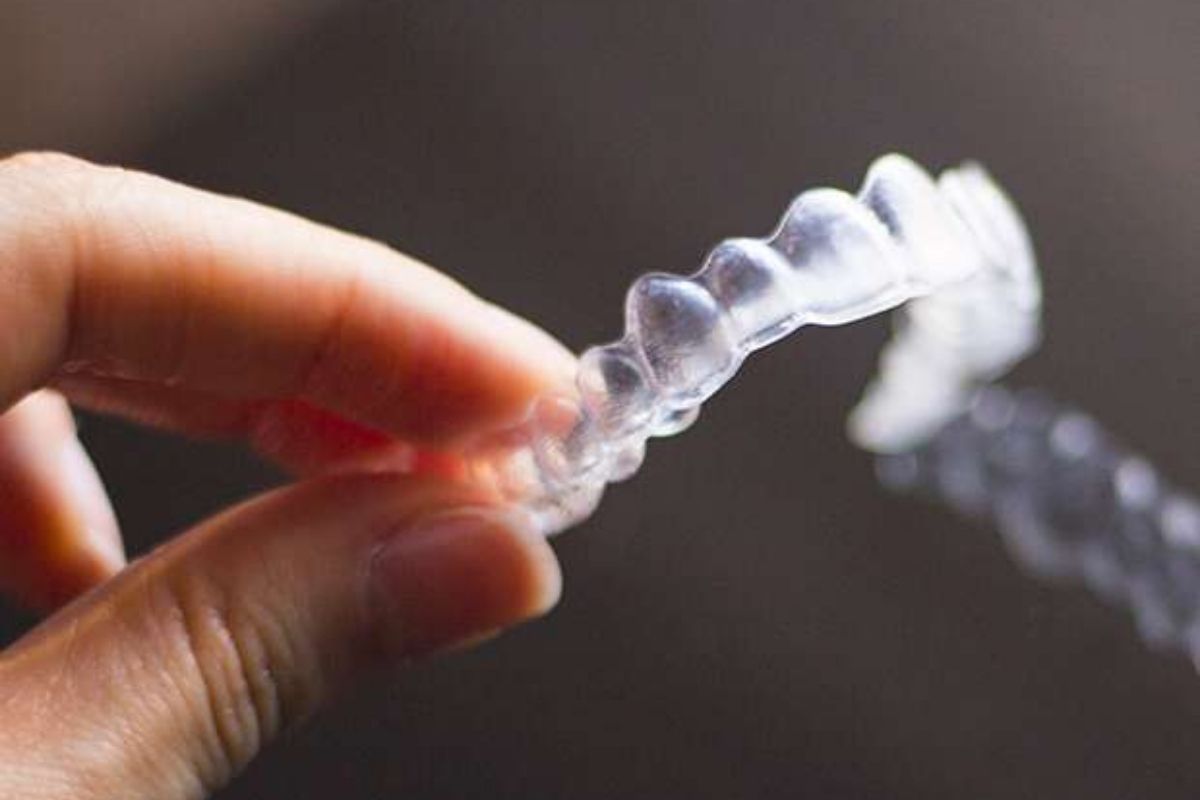
- Tray edges rubbing against gums – Sometimes the aligners have slightly rough or sharp edges that irritate soft tissues.
- Normal adjustment pressure – As your teeth shift, you may feel soreness that radiates into the gums.
- Improper fit – If an aligner doesn’t sit correctly, it may press into the gums, causing swelling or soreness.
- Oral hygiene issues – Food particles or plaque trapped under aligners can irritate gums, leading to inflammation.
- Allergic or sensitivity reactions – Rare, but some patients notice itchy gums or mild irritation from the plastic material.
This is why many patients complain about sore or swollen gums from Invisalign, or even that their teeth feel itchy with Invisalign.
How to Soothe Gum Pain from Invisalign
If you’re dealing with gum irritation, there are several simple strategies that can help:
- Use orthodontic wax – Applying wax to the rough edges of the aligners can prevent them from rubbing your gums.
- Rinse with warm salt water – This helps reduce swelling and soothes irritated gums naturally.
- Over-the-counter pain relievers – Medications like ibuprofen can ease soreness, especially during the first few days with a new tray.
- Cold compress – Applying an ice pack to the outside of your mouth can calm inflamed gums.
- Stick to soft foods – Give your gums and teeth time to adjust by avoiding crunchy or hard foods in the early days of wearing a new aligner.
If gum pain persists beyond a week or becomes severe, schedule a checkup with your orthodontist to ensure your aligners fit properly.
Preventing Gum Irritation Before It Starts
The best way to handle Invisalign gum issues is to prevent them in the first place. Here are some proactive steps:
- Trim rough edges – Your orthodontist can smooth sharp areas of aligners that are irritating your gums.
- Maintain excellent oral hygiene – Brushing and flossing before putting aligners back in helps prevent gum swelling caused by plaque buildup.
- Wear aligners as directed – Consistent wear ensures your teeth move smoothly, reducing sudden gum strain.
- Stay hydrated – A dry mouth can increase irritation, so drink plenty of water throughout the day.
- Regular orthodontic checkups – Visiting your orthodontist for progress checks ensures your aligners are fitting correctly and not causing harm.
When Gum Pain Could Be a Warning Sign
Most gum discomfort with Invisalign is temporary, but in some cases, it could point to a larger issue:
- Persistent swelling that doesn’t improve after a few days
- Bleeding gums even with gentle brushing and flossing
- Severe inflamed gums that make it hard to wear the Invisalign aligners
- Visible sores or cuts on the gums from the aligner edges
If you notice any of these, it’s important to consult with your Invisalign provider right away. Addressing the issue early prevents complications and ensures your treatment stays on track.
FAQs on Invisalign and Gum Pain
Why are my gums sore with Invisalign?
Sore gums are usually caused by the aligners applying pressure to shift your teeth or from the tray edges rubbing against gum tissue.
Can Invisalign cause swollen gums?
Yes, swollen gums with Invisalign can occur if aligners don’t fit properly, if plaque builds up, or if your gums are adjusting to new pressure.
What should I do if Invisalign is irritating my gums?
Try orthodontic wax, saltwater rinses, or cold compresses. If irritation continues, contact your orthodontist for adjustments.
Are itchy gums normal with Invisalign?
Some patients report itchy gums with Invisalign, often due to sensitivity, irritation, or minor inflammation. Staying hydrated and keeping aligners clean usually helps.
Can Invisalign cause gum infection?
Not directly, but poor oral hygiene while wearing aligners can increase the risk of gum infection or gum disease.
Why do my teeth feel itchy with Invisalign?
That “itchy” feeling often comes from nerves adjusting as teeth shift into place. It’s usually temporary and not harmful.
How long does Invisalign gum pain last?
Discomfort typically lasts a few days each time you switch to a new set of aligners. Persistent pain should be evaluated by your orthodontist.
Final Thoughts
Invisalign is a comfortable and effective way to achieve a straighter smile, but gum irritation can sometimes be part of the process. The good news is that most cases of Invisalign gum pain, swelling, or soreness are temporary and manageable with simple at-home care.
At our dental practice in Henderson, our experienced orthodontist makes sure your treatment is as smooth and comfortable as possible. Whether you’re just starting Invisalign or experiencing gum irritation, the right guidance can keep your smile journey stress-free.
If your gums are feeling sore, swollen, or itchy, don’t ignore it—small adjustments can make a big difference in your comfort and treatment success.