880 Seven Hills Drive, Suite 130, Henderson, NV 89052
The Cutting Edge of Care: Digital Oral Exams in Modern Dentistry
Aspire Dental | March 27, 2024
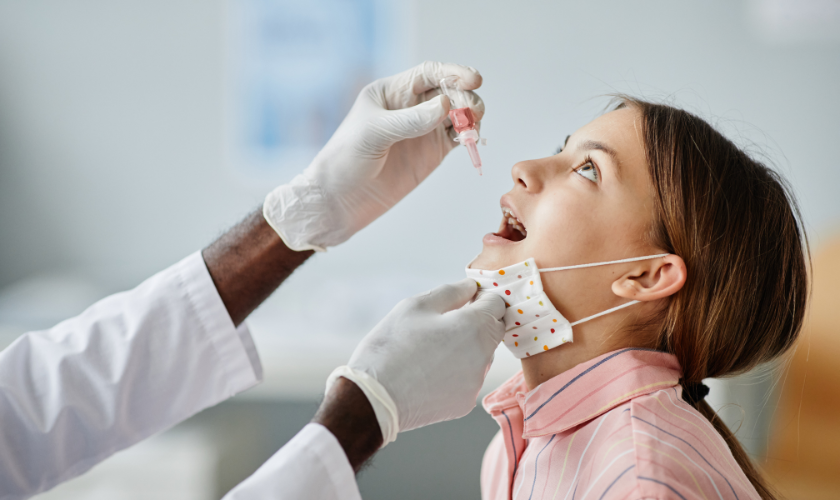
In recent years, digital technologies have revolutionized various industries, including dentistry. These advancements have significantly improved the accuracy, efficiency, and patient experience in oral exams. This blog explores the role of digital technologies in modern oral exams and their benefits in enhancing dental care.
Digital Technologies in Oral Exams
Digital technologies are increasingly being integrated into oral exams, offering innovative ways to assess communication skills and knowledge.
- Intraoral Cameras: One of the notable digital technologies used in oral exams is intraoral cameras. These small, high-resolution cameras allow dentists to capture detailed images of the teeth, gums, and oral structures. Intraoral cameras enable better visualization of dental issues, making diagnosis more precise and comprehensive.
- Digital X-rays: Digital X-rays have replaced traditional film-based X-rays in many dental practices. They offer numerous advantages, including reduced radiation exposure, faster image processing, and enhanced image quality. Digital X-rays provide valuable insights into the underlying structures of the mouth, aiding in the detection of cavities, infections, and bone abnormalities.
- Cone Beam Computed Tomography (CBCT): CBCT technology has transformed dental imaging by providing three-dimensional views of the oral and maxillofacial regions. This advanced imaging technique is especially beneficial for complex cases, such as implant planning, orthodontic evaluations, and diagnosing temporomandibular joint disorders (TMJ).
- Digital Impressions: Digital impressions have replaced traditional dental molds for creating accurate models of patients’ teeth and gums. This technology uses intraoral scanners to capture detailed digital impressions, eliminating the need for messy impression materials. Digital impressions improve the accuracy of restorations like crowns, bridges, and aligners, leading to better-fitting dental prosthetics.
- CAD/CAM Technology: Computer-Aided Design/Computer-Aided Manufacturing (CAD/CAM) technology enables dentists to design and fabricate dental restorations in-house quickly. From crowns and veneers to dentures and implant abutments, CAD/CAM systems streamline the process, reducing turnaround times and enhancing the overall patient experience.
Benefits of Digital Technologies in Oral Exams:
- Enhanced diagnostic accuracy
- Reduced treatment times
- Minimized radiation exposure
- Improved patient comfort
- Customized treatment planning
- Seamless collaboration between dental specialists
Conclusion:
Digital technologies have transformed oral exams and dental care, offering numerous benefits to both dentists and patients. From advanced imaging capabilities to precise treatment planning, these technologies play a pivotal role in delivering high-quality and efficient dental services. Embracing digital advancements ensures that patients receive optimal oral health outcomes in today’s modern dental practices.