
880 Seven Hills Drive, Suite 130, Henderson, NV 89052
Sjögren’s Syndrome: Overcoming Dry Mouth Challenges with Dental Implants
Aspire Dental | December 13, 2024
Understanding Sjögren’s Syndrome and Its Impact on Oral Health
If you or someone you know is dealing with Sjögren’s syndrome, you probably already understand how frustrating it can be. This condition, where your body’s immune system attacks the glands that keep you moisturized, can leave your mouth and eyes feeling dry and uncomfortable. Everyday activities like eating, speaking, or even just blinking can start to feel like a challenge. Even though it’s difficult, you’re not alone. With the proper care and a few helpful strategies, it’s possible to manage the dryness and protect your oral health. If you are keen to learn more on this topic, read further!
Why Does Sjögren’s Syndrome Cause Dry Mouth?
One of the main symptoms of Sjögren’s syndrome is dry mouth, also known as xerostomia. This condition arises when the salivary glands lose their ability to produce enough saliva. Saliva is crucial for maintaining oral health; it helps wash away food particles, neutralizes acids, and supports digestion. A dry mouth caused by insufficient saliva can result in gum disease, tooth decay, and bacterial accumulation.
A lack of saliva can make the mouth feel parched, sticky, and uncomfortable. For those with Sjögren’s, dry mouth is often accompanied by a sore or burning sensation, and it’s common for these individuals to experience a higher risk of cavities. This issue is why consistent care and awareness of treatment options become crucial for those managing Sjögren’s.
Symptoms of Dry Mouth in Sjögren’s Syndrome
The symptoms of dry mouth in Sjögren’s syndrome go beyond a simple lack of moisture. People with this condition might experience:
- Difficulty swallowing or chewing, dehydrated foods
- Cracks in the mouth’s corners or lips
- Rough or sticky sensation on the tongue
- Persistent sore throat or hoarseness
- Bad breath due to bacterial growth
These symptoms are more than just uncomfortable—they can also increase the risk of tooth decay and gum disease. Without sufficient saliva, teeth are more vulnerable to damage, and this can worsen over time without proper dental intervention.
The Oral Health Impact of Dry Mouth
Sjögren’s syndrome can lead to several dental issues that might not be obvious initially. The lack of saliva makes teeth more susceptible to decay. Plaque builds up faster, and there’s less natural cleaning from saliva. People with this condition might also face gum inflammation, mouth sores, and a higher risk of oral infections.
Because of these risks, regular dental checkups are essential. A dentist can detect early signs of decay or gum disease, making preventive care critical for those with Sjögren’s. Staying hydrated, using fluoride toothpaste, and avoiding overly sugary foods can also help manage these issues. The support and care provided by regular dental checkups can make a significant difference in managing Sjögren’s syndrome.
How Can Dental Implants Help in Managing Sjögren’s?
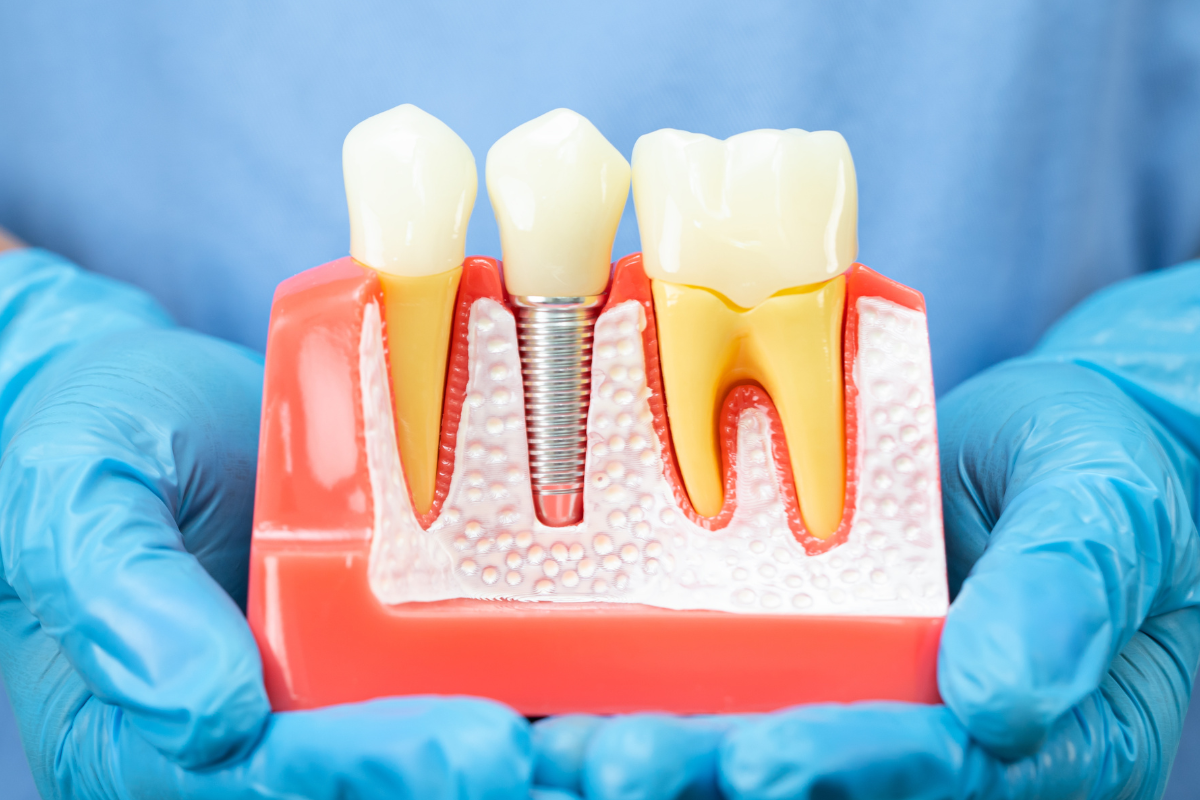
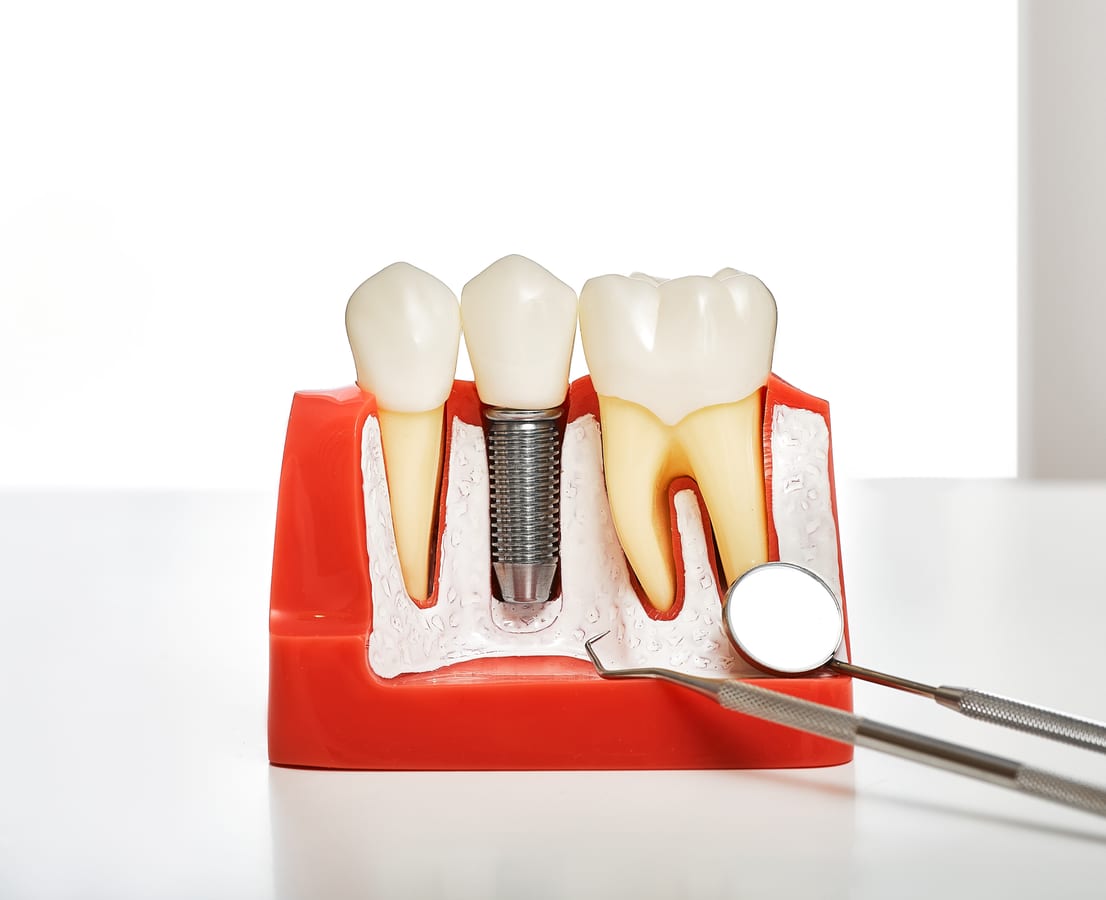
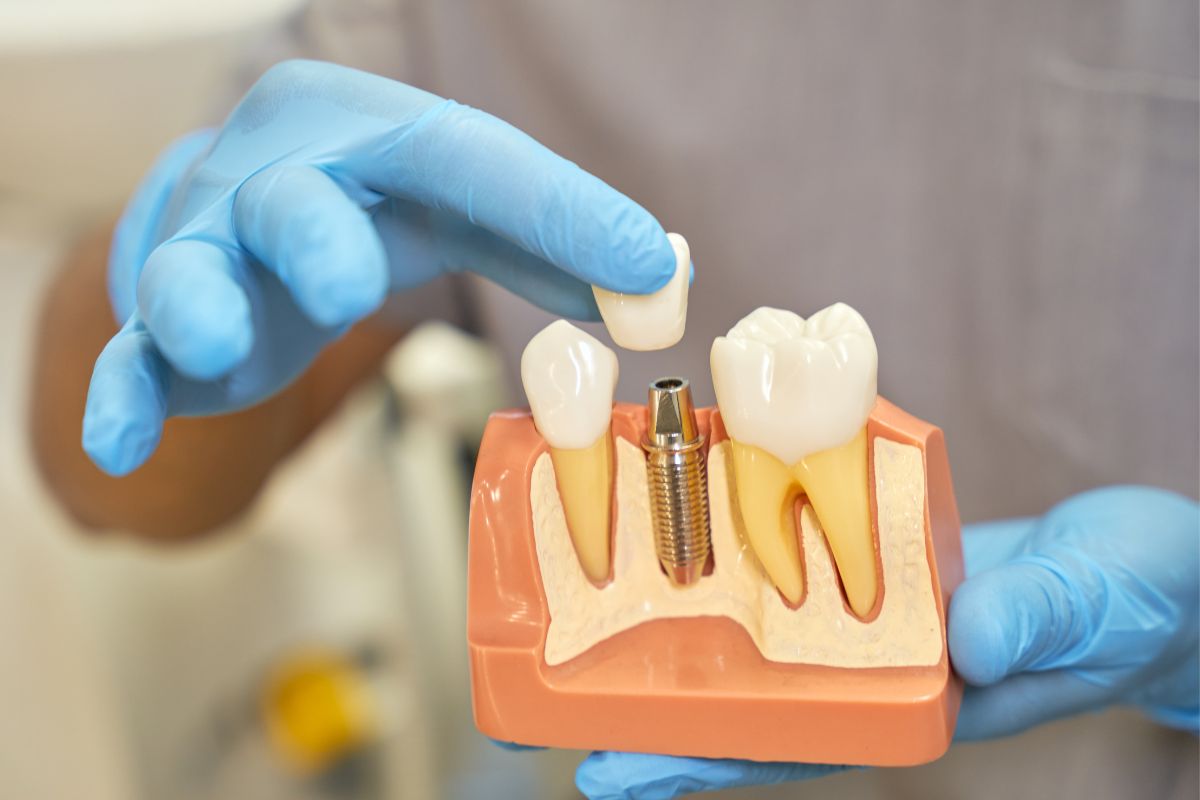
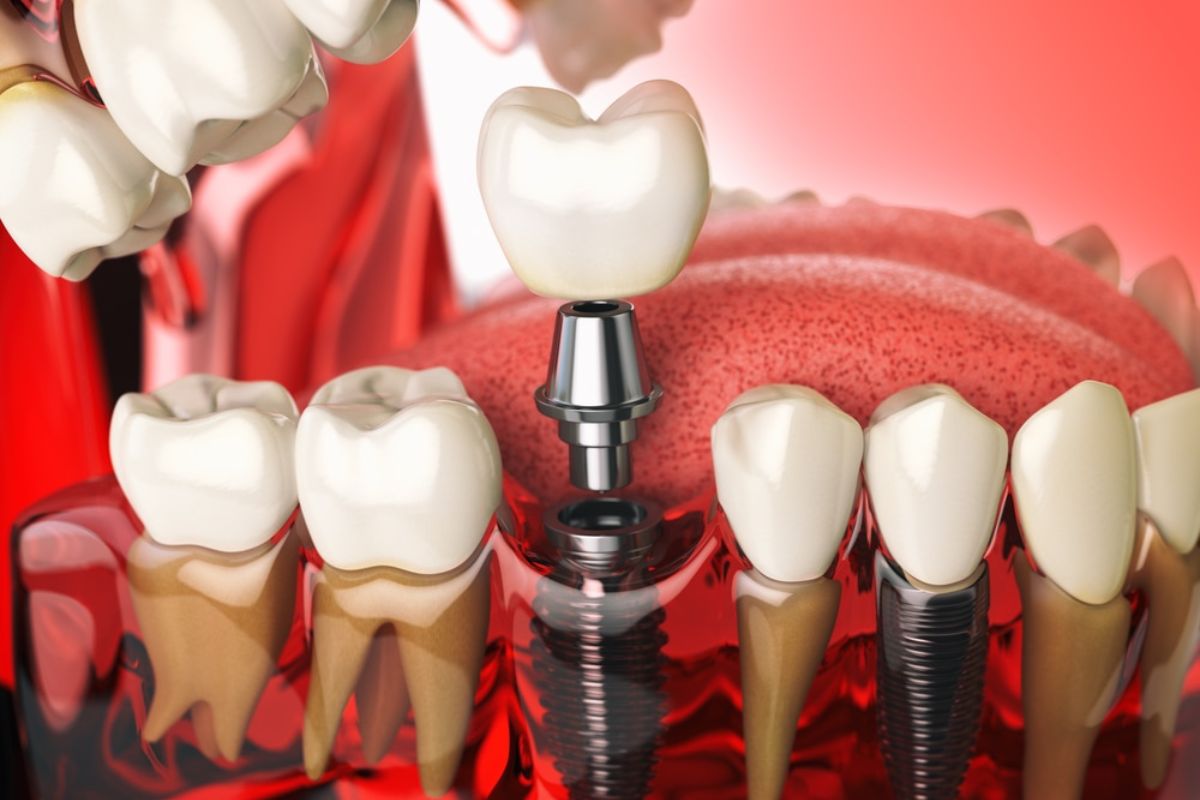
One potential solution for those experiencing tooth loss due to Sjögren’s is dental implants. Implants offer a stable, long-term solution that can improve oral function and appearance. Unlike removable dentures, implants are fixed in the jawbone, providing a sturdy foundation for chewing, speaking, and other activities without discomfort.
Dental implants can be a significant relief for those with Sjögren’s syndrome. Since implants are not susceptible to decay, they reduce the worry of cavities. This can substantially relieve those with Sjögren’s, as it minimizes the risk of infection or further dental problems. Additionally, implants require less frequent maintenance than other tooth replacement options, which can be ideal for individuals facing daily dryness. The comfort and relief that implants can bring are truly reassuring and hopeful.
Benefits of Dental Implants for Dry Mouth
Dental implants can bring several advantages to individuals with Sjögren’s syndrome and dry mouth, such as:
- Reduced Infection Risk: Unlike natural teeth, implants don’t decay, lowering the risk of cavities.
- Enhanced Oral Function: Implants restore natural chewing and speaking ability, even with severe dryness.
- Improved Comfort: Fixed implants don’t rely on adhesives or cause irritation, which can be painful for dry mouths.
- Aesthetic Benefits: Dental implants look and feel like natural teeth, providing a confidence boost for many patients.
Implants can be a valuable option for those with fewer concerns about infection and discomfort, facing the dual challenges of Sjögren’s and dry mouth.
Tips for Managing Dry Mouth with Sjögren’s Syndrome
Aside from considering implants, here are some practical steps for managing dry mouth with Sjögren’s syndrome:
- Stay Hydrated: Drinking water regularly helps moisten the mouth and flush out food particles.
- Use Saliva Substitutes: Over-the-counter sprays or rinses can temporarily relieve dryness.
- Chew Sugar-Free Gum: This can stimulate saliva production, aiding oral lubrication.
- Avoid Caffeine and Alcohol: These can further dry out the mouth, making symptoms worse.
- Regular Dental Checkups: Dentists can provide treatments and advice tailored to Sjögren’s-related dry mouth.
These steps can improve daily comfort and reduce the risk of long-term dental issues, allowing individuals with Sjögren’s to maintain better oral health.
Can Dental Veneers Help in Dry Mouth Conditions?
While dental veneers are primarily cosmetic, they may benefit individuals with minor tooth wear caused by dry mouth. Veneers are thin shells applied to the front of teeth to improve their appearance. Though they won’t address the dryness, veneers can cover minor imperfections, providing a smoother and more aesthetic smile.
However, those considering veneers should consult their dentist about their suitability. In dry mouth conditions, veneers need careful upkeep, as they still rely on the remaining natural tooth structure, which might be more prone to decay.
Living with Sjögren’s syndrome and managing dry mouth can be challenging. However, with the right approach and modern dental solutions like implants, maintaining oral health becomes more manageable. Simple habits and proactive dental care go a long way in reducing discomfort. By staying vigilant and working with dental professionals, individuals with Sjögren’s can experience a higher quality of life, even in the face of persistent dryness.