880 Seven Hills Drive, Suite 130, Henderson, NV 89052
Dental Implant Process: Step-by-Step Timeline Guide

Aspire Dental | January 27, 2026
Residents often enjoy the desert landscapes and sunny weather. However, sometimes, oral health challenges can prevent you from fully enjoying the things you love. Whether you’re visiting the Ethel M Chocolate Factory or Heritage Parade, a confident smile makes all the difference. So, how do dental restorations work, and what can you expect from the process? When considering implant dentistry, it’s important to understand the process and how it can restore your smile. Learn the impact it can have on your quality of life.
This blog guides you through getting dental restorations, from consultation to final restoration. With clear and simple explanations, you’ll feel informed and confident about your decision. Let’s dive in!
Step 1: Initial Consultation and Evaluation
The first step to getting dental restorations is scheduling an appointment with a trusted implant specialist. During this consultation, your dentist will evaluate your oral health, assess whether you have enough bone structure for the prosthetic teeth, and discuss your goals. In Henderson, there are many options for entertainment and dining, but your dental health should always come first. This is why dental practitioners focus on personalized care that ensures every detail of your dental health is thoroughly examined before proceeding.
Step 2: Treatment Planning
Once your dentist has evaluated your mouth, they will create a custom treatment plan tailored to your needs. This plan may include various imaging methods, such as 3D scans, to map out where your dental restorations will go. If you need additional treatments, such as bone grafting, your dentist will discuss them in detail. While the city has plenty to offer, making sure you’re fully prepared for your procedure is the most important thing. Dental clinics work closely with you to ensure you feel comfortable and well-informed.
Step 3: Implant Placement
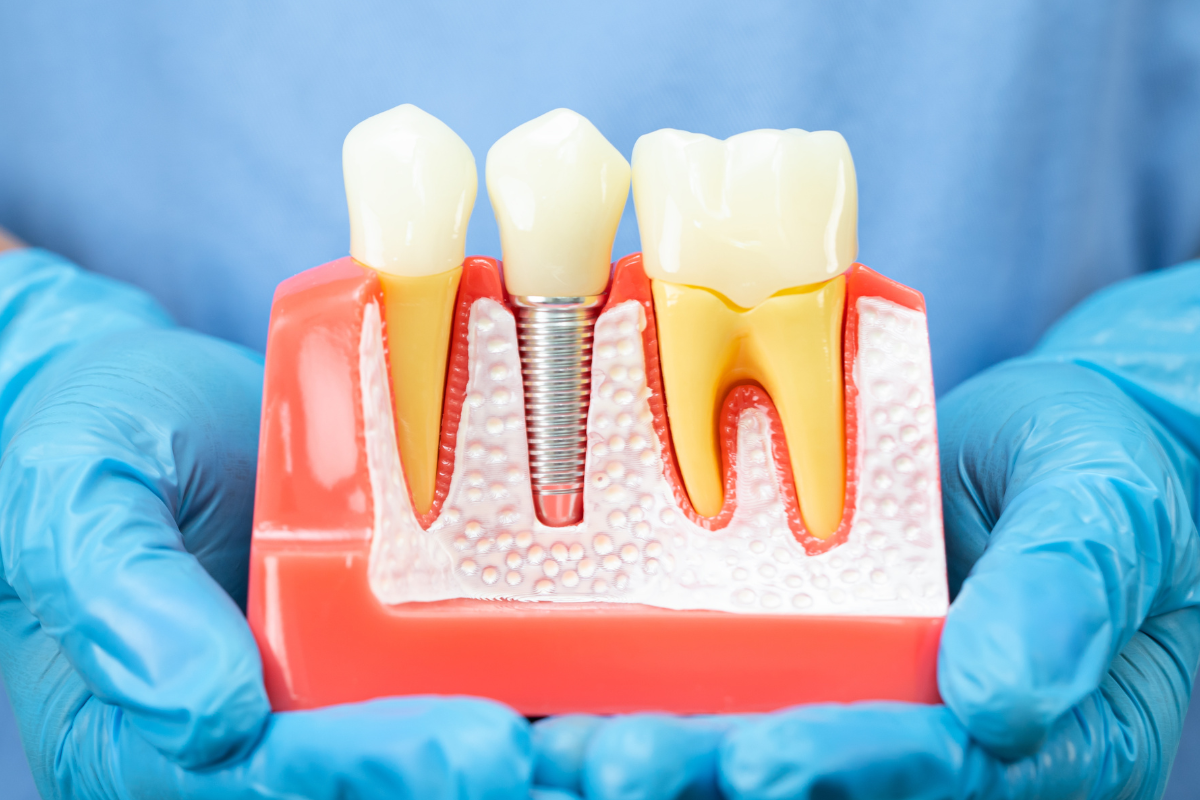
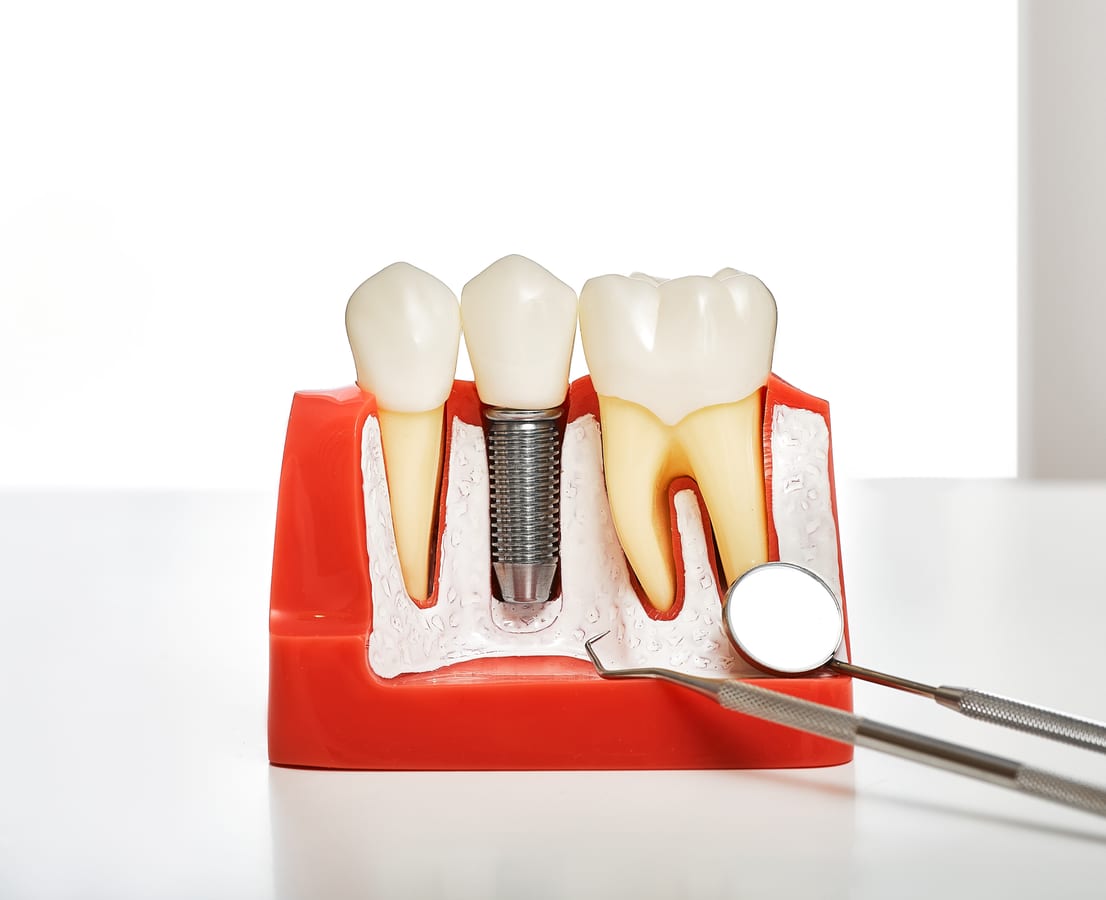
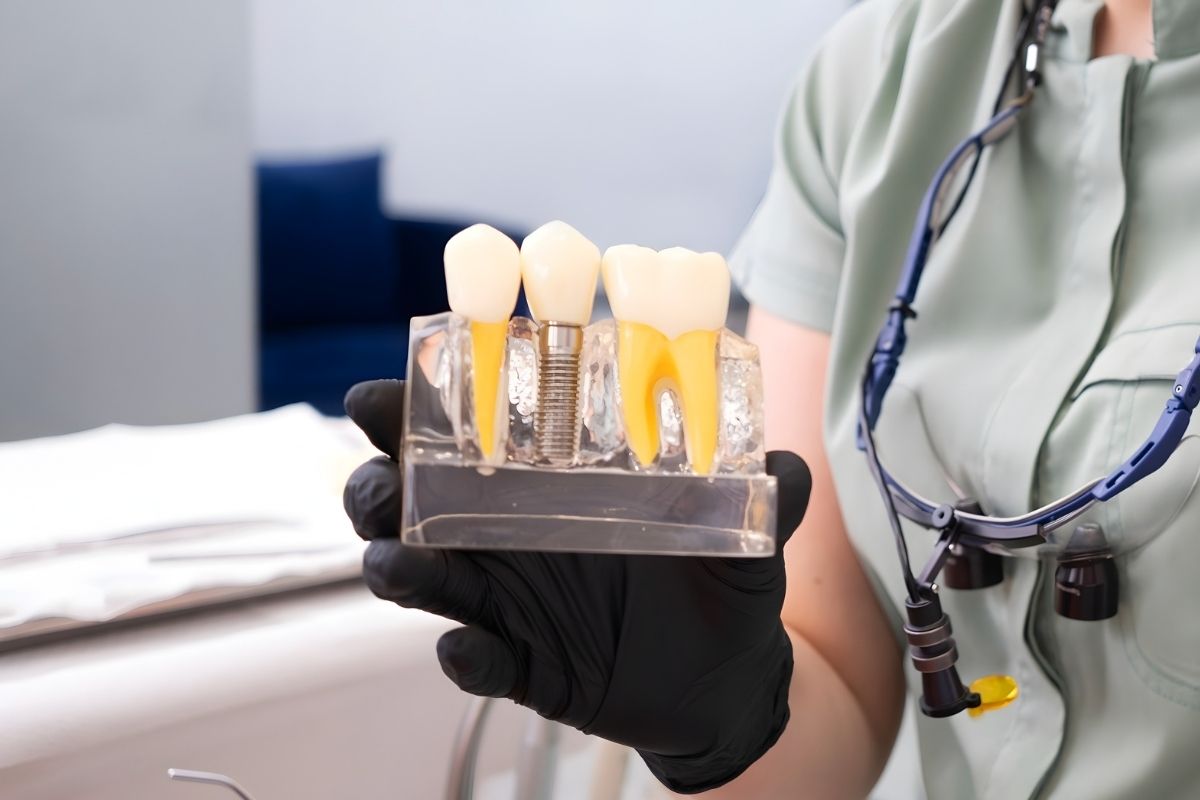
After the planning phase, the next step is the surgical placement of the dental implant. This is done under local anesthesia to ensure you are comfortable throughout the procedure. Your dentist will carefully place a small titanium post into the jawbone, where the missing tooth root used to be. Over the next few months, the fixture will fuse with the bone in a process called osseointegration, providing a strong and stable foundation. This is when dental implants can help improve your quality of life as they provide a lasting solution for missing teeth. It restores your ability to chew and speak with ease.
Step 4: Healing and Osseointegration
After your implant is placed, there will be a healing period of several months. During this time, the bone will integrate with the prosthetic teeth, allowing them to fuse securely. This stage is crucial as it sets the foundation for the final restoration. While you are healing, the city’s beautiful desert parks, like Lake Mead, can provide the perfect place for relaxing strolls as you wait for your restoration to fully integrate.
Step 5: Abutment Placement
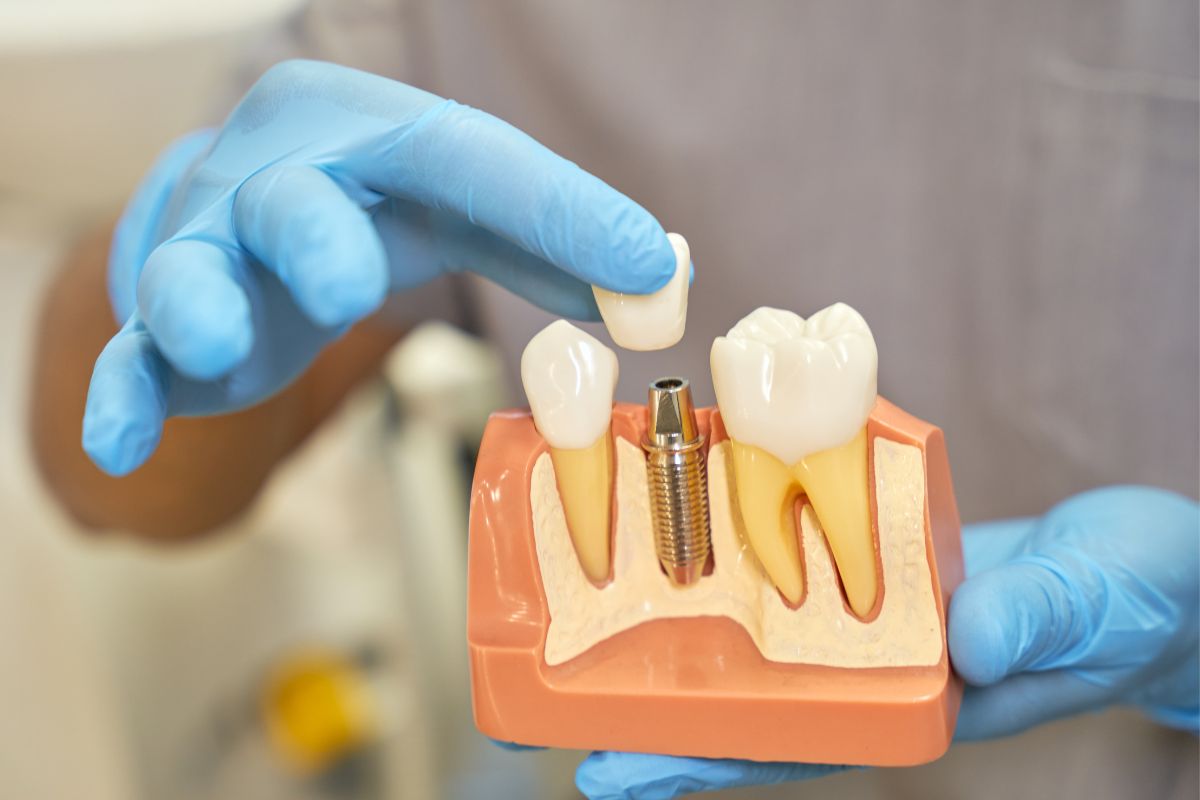
Once osseointegration is complete, your dentist will attach a small connector called an abutment to the fixture post. This piece holds the artificial tooth securely in place. The abutment serves as a bridge between the implant post and your custom-made crown. Depending on your unique needs, your dentist will work with you to ensure the best match for your smile.
Step 6: Final Restoration and Crown Placement
The final step in the prosthetic teeth process is the placement of your custom crown. This is designed to match the color, shape, and size of your natural teeth for a seamless look. Once in place, your dental restoration will feel like a natural part of your mouth, and you’ll be able to enjoy your favorite foods and activities once again with confidence. Whether you’re attending the Air Show or simply enjoying dinner at a local restaurant, your new smile will feel just right.
Benefits of Dental Implants
Here are the advantages of these dental restorations:
- Durability: Dental restorations can last a lifetime with proper care, making them a long-term investment in your smile.
- Comfort: Unlike dentures, fixtures are securely placed in the jaw, offering a natural and comfortable feel.
- Improved Functionality: You can chew, speak, and smile confidently, knowing your prosthetic teeth won’t slip or shift.
- Enhanced Appearance: Restorations look and feel like natural teeth, blending seamlessly with your existing smile.
- Jawbone Health: Fixtures help maintain jawbone structure, preventing bone loss that can occur with missing teeth.
Ready to Restore Your Smile?
If you’re looking for an effective solution for missing teeth, dental implants in Henderson might be the answer. At Aspire Dental, we are committed to helping you regain a beautiful and functional smile. Contact us today to schedule your consultation, and let us guide you through the step-by-step process of getting dental restorations.
FAQs
How long does the dental implant process take?
The process typically takes a few months, with most of the time spent allowing the fixture to fuse with the bone. This healing period is necessary to ensure long-term success.
Are dental implants painful?
Dental restorations are placed under sedation, so you should not feel pain during the procedure. Afterward, some discomfort may occur, but it can be managed with over-the-counter pain relievers.
Can anyone get dental implants?
Most adults with healthy gums and enough jawbone to support the restorations are good candidates. Your dentist will assess your health and determine if you need additional procedures like bone grafting.
How should I care for my dental implants?
Caring for your restorations is similar to caring for natural teeth. Brush twice a day, floss regularly, and visit your dentist for routine checkups to ensure the longevity of your fixture.
Will my dental implants look natural?
Yes! Dental restorations are designed to blend in seamlessly with your existing teeth, providing a natural look and feel. Your dentist will match the crown to the shape and color of your other teeth.
Can I get a dental implant if I have gum disease?
If you have gum disease, your dentist might suggest treating it first to ensure your gums are healthy before moving forward with restorations. Taking good care of your gums is really important for the best outcome of your procedure.