
880 Seven Hills Drive, Suite 130, Henderson, NV 89052
How Long Do Dental Implants Last Compared to Bridges or Dentures?

Aspire Dental | May 26, 2026
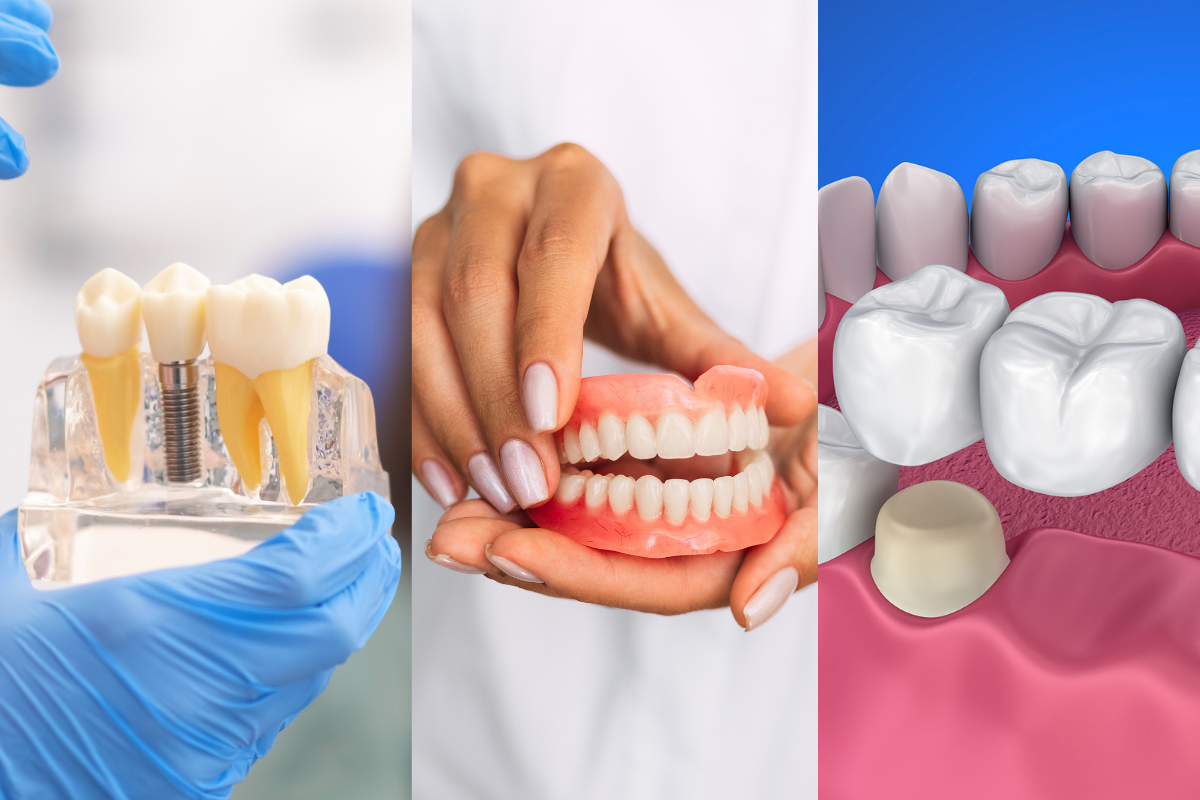
If you are wondering which tooth replacement option lasts the longest, the short answer is this: dental implants typically last much longer than bridges or dentures when cared for properly. While bridges may last around 10 to 15 years and dentures often need replacement or adjustment over time, implants can last decades and, in many cases, a lifetime. For patients in Henderson looking for a long-term solution to missing teeth, understanding durability, maintenance, and everyday comfort can help guide the right decision.
Understanding the Lifespan of Tooth Replacement Options
Losing a tooth can affect more than your smile. It can change how you eat, speak, and even how comfortable you feel around others. Fortunately, modern dentistry offers several reliable ways to replace missing teeth. The most common options include dental bridges, removable dentures, and dental implants. Each option has benefits, but their lifespan differs significantly.
How Long Do Dental Implants Last?
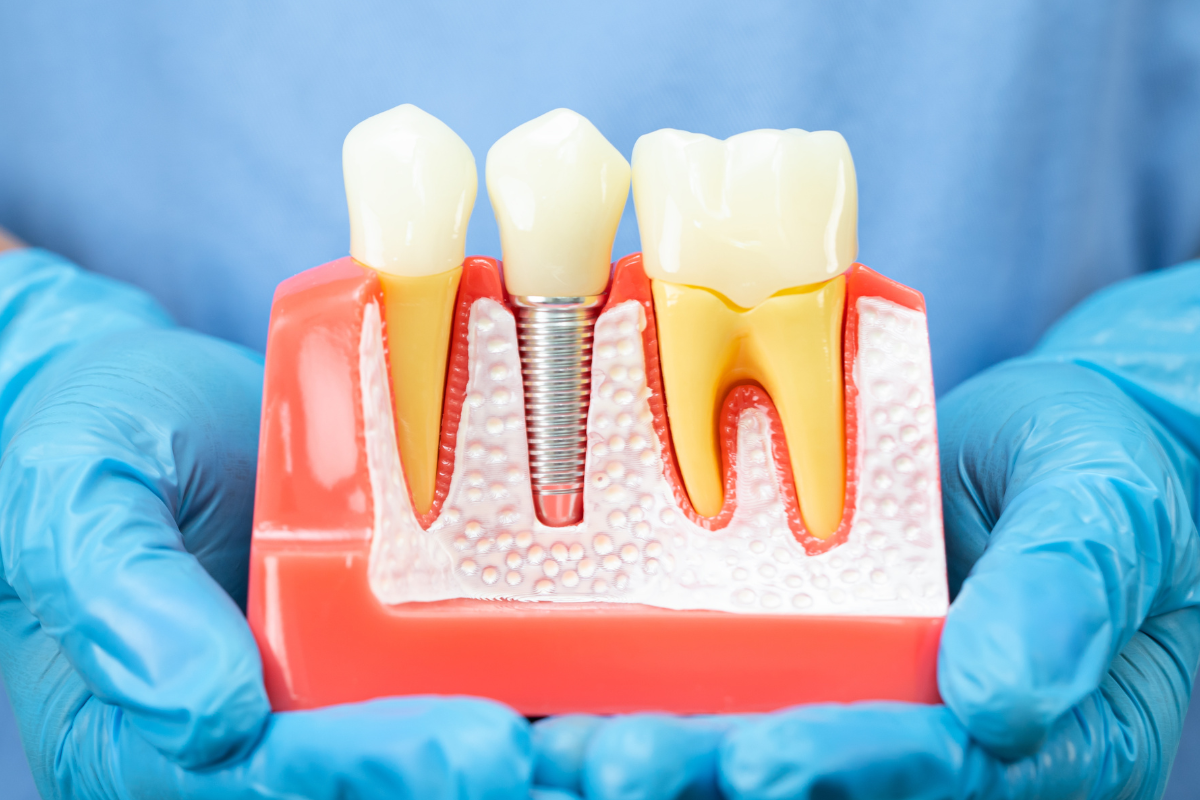
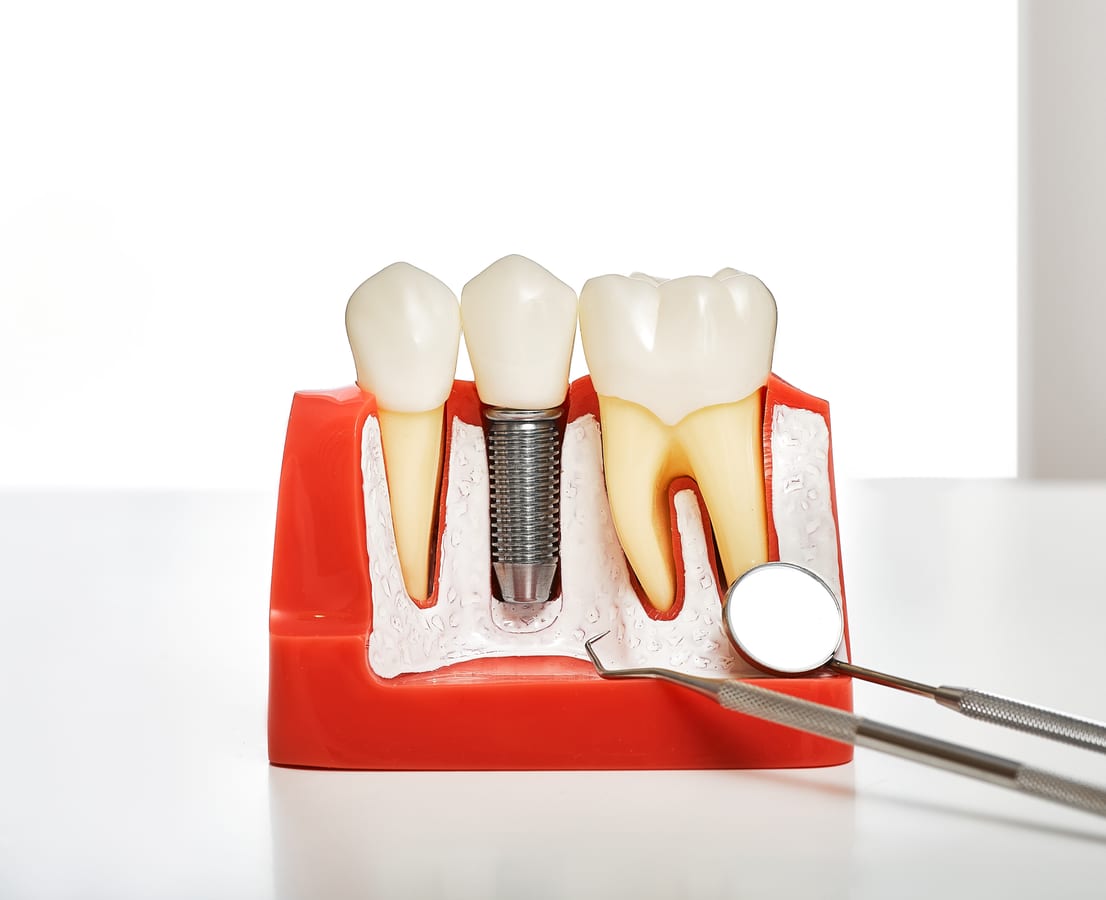
Dental implants are widely considered one of the longest-lasting solutions for missing teeth. The implant itself, usually made from strong titanium, is placed into the jawbone where it acts like an artificial tooth root. With healthy gums, routine dental care, and good oral hygiene, many implants can last 20 years or longer. In fact, for some patients, implants may never need replacement.
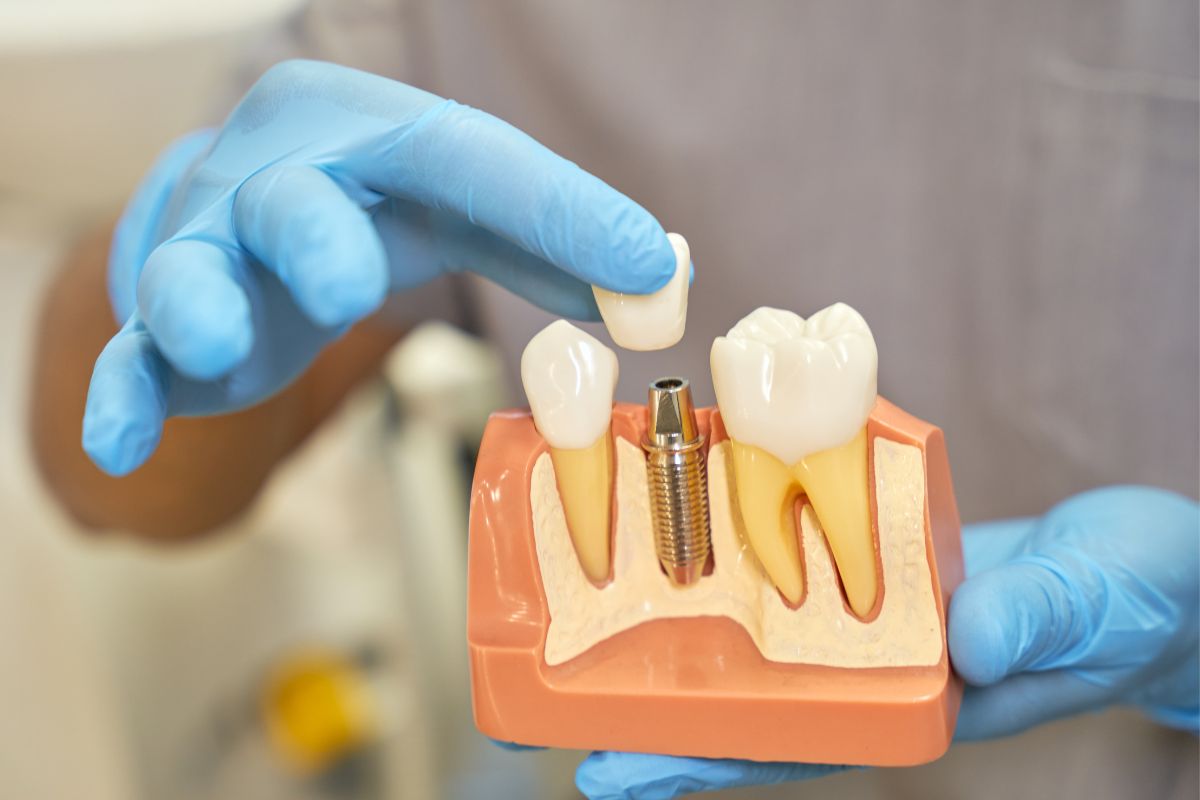
The crown attached to the implant may eventually wear down and need repair or replacement after many years, but the implant post itself often remains stable.
Several factors influence how long dental implants last:
- Daily brushing and flossing habits
- Regular dental checkups and cleanings
- Overall gum health
- Smoking or tobacco use
- Teeth grinding or clenching habits
- Bone support around the implant
For patients considering long-term tooth replacement, implant-supported teeth often provide the closest feeling to natural teeth.
How Long Do Dental Bridges Last?
Dental bridges are another popular option for replacing one or more missing teeth. A bridge fills the empty space using neighboring teeth for support. On average, bridges may last between 10 and 15 years, though some can last longer with proper care. Unlike implants, bridges rely on surrounding healthy teeth. Over time, those supporting teeth may weaken, develop decay, or need treatment, which can shorten the lifespan of the restoration.
Patients often choose bridges because they typically involve less healing time upfront. However, bridges may eventually require replacement due to wear, changes in bite, or damage to the supporting teeth.
How Long Do Dentures Last?
Dentures can replace several missing teeth or a full arch of teeth and are commonly chosen because they are removable and generally more affordable. Most dentures need replacement, adjustment, or relining every 5 to 10 years. This happens because the jawbone naturally changes shape after tooth loss. As bone volume decreases, dentures may become loose or uncomfortable.
Over time, patients with dentures may notice:
- Difficulty chewing certain foods
- Slipping or movement while talking
- Sore spots or irritation
- Changes in facial appearance due to bone loss
While dentures remain a useful treatment option, they often require more maintenance and periodic adjustments compared to implants.
Why Do Dental Implants Tend to Last Longer?
One major reason implants last longer is that they replace the missing tooth root rather than simply sitting above the gums. When the implant fuses with the jawbone, it creates a stable foundation that helps preserve bone structure and maintain support for surrounding teeth. Unlike dentures, implants do not shift or move during eating and speaking. Unlike bridges, they do not depend on neighboring teeth for support.
This long-term stability makes implant dentistry appealing for patients who want durability and a more natural feel. For individuals comparing tooth replacement options in Henderson, longevity is often one of the biggest deciding factors.
Cost vs. Long-Term Value
Some patients hesitate because dental implants often have a higher upfront cost than bridges or dentures. However, long-term value matters. Bridges may require replacement after several years. Dentures often need adjustments, repairs, or replacement due to fit changes. Those repeated expenses can add up over time.
Because implants are designed for durability, many patients view them as a long-term investment in oral health and everyday comfort. In addition, implants can help support jawbone health, which may reduce future oral complications linked to missing teeth.
Which Option Is Right for You?
There is no one-size-fits-all answer. The best tooth replacement depends on:
- Your oral health
- Bone support in the jaw
- Number of missing teeth
- Lifestyle needs
- Budget and long-term goals
For many patients seeking a stable and long-lasting option, dental implants provide excellent function, comfort, and durability.
If you are exploring options with a trusted dental implant provider in Henderson, asking questions about expected lifespan, maintenance, and long-term care can help you feel more confident in your decision.
What Helps Dental Implants Last Longer?
Even though implants are durable, proper care still matters.
To improve the lifespan of implants:
- Brush and floss daily
- Schedule regular dental exams
- Avoid smoking whenever possible
- Wear a nightguard if you grind your teeth
- Treat gum disease early if symptoms appear
Like natural teeth, healthy habits make a difference.
Ready to Explore Your Tooth Replacement Options?
When comparing durability alone, dental implants generally last longer than bridges or dentures. Bridges may serve patients well for many years, and dentures remain helpful for certain needs, but implants are often the most reliable long-term option for restoring missing teeth. Patients considering treatment in Henderson should look beyond short-term convenience and think about comfort, maintenance, function, and overall value over time. Understanding the differences can help you make a more informed decision about your smile and oral health.
If you are considering long-lasting solutions for missing teeth, speaking with a provider experienced in implant dentistry can help you understand what option fits your oral health goals, comfort needs, and long-term expectations. Scheduling a consultation is a helpful first step toward learning what may work best for your smile.
FAQs
Do dental implants last longer than bridges?
Yes, dental implants generally last longer than bridges. While bridges often last about 10 to 15 years, implants are designed to be a more permanent solution because they are placed into the jawbone and function like natural tooth roots.
Are dental implants more durable than dentures?
In many cases, yes. Dental implants tend to be more durable and stable than dentures because they are fixed in place and do not shift during eating or speaking. Dentures may require adjustments or replacement over time as the jawbone changes.
Can dental implants last a lifetime?
Yes, many dental implants can last a lifetime when cared for properly. Although the crown attached to the implant may eventually need replacement, the implant post itself often remains in place for decades.
What can shorten the lifespan of dental implants?
Smoking, gum disease, poor oral hygiene, teeth grinding, and missed dental checkups can shorten the lifespan of dental implants. Maintaining healthy gums and consistent dental care helps improve long-term success.
Which tooth replacement option lasts the longest?
Among common tooth replacement options, dental implants usually last the longest. Bridges and dentures can work well for many patients, but implants are often considered the most durable long-term choice.