880 Seven Hills Drive, Suite 130, Henderson, NV 89052
The Body’s Best Friends: Biocompatible Implant Choices

Aspire Dental | June 25, 2024
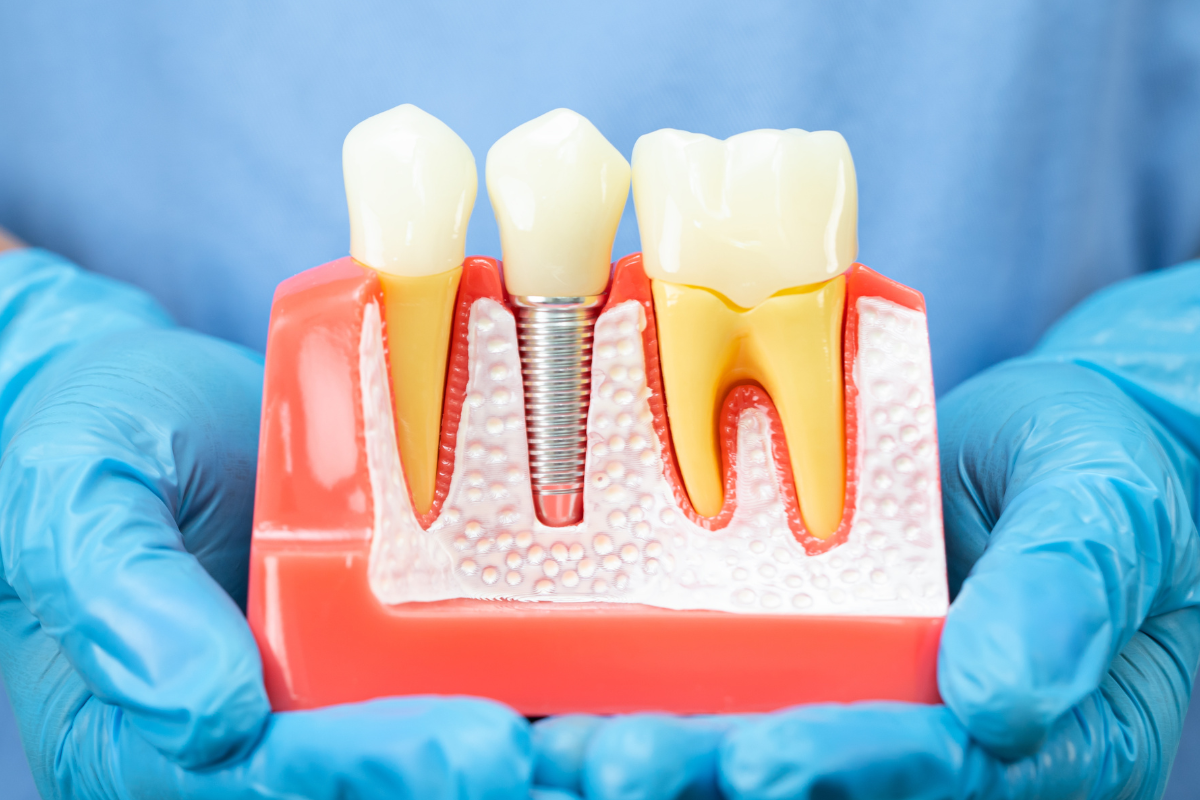
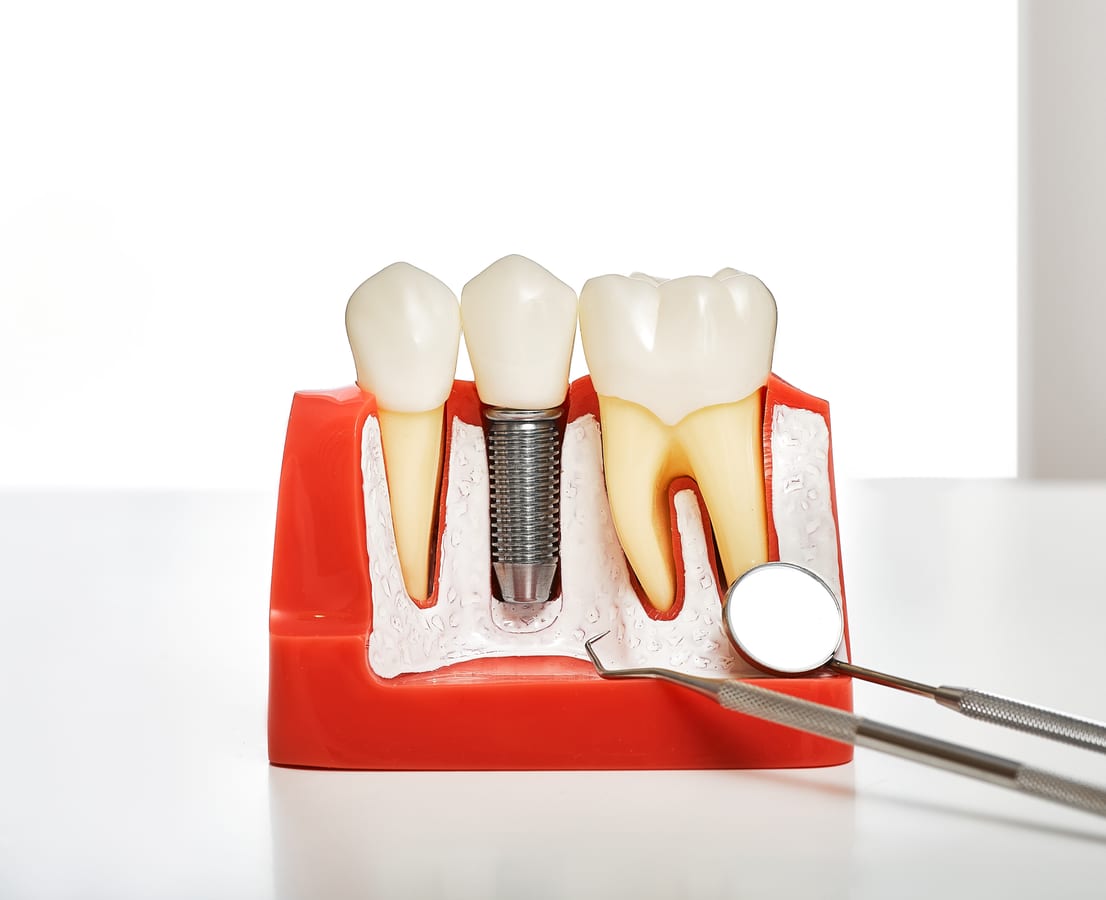
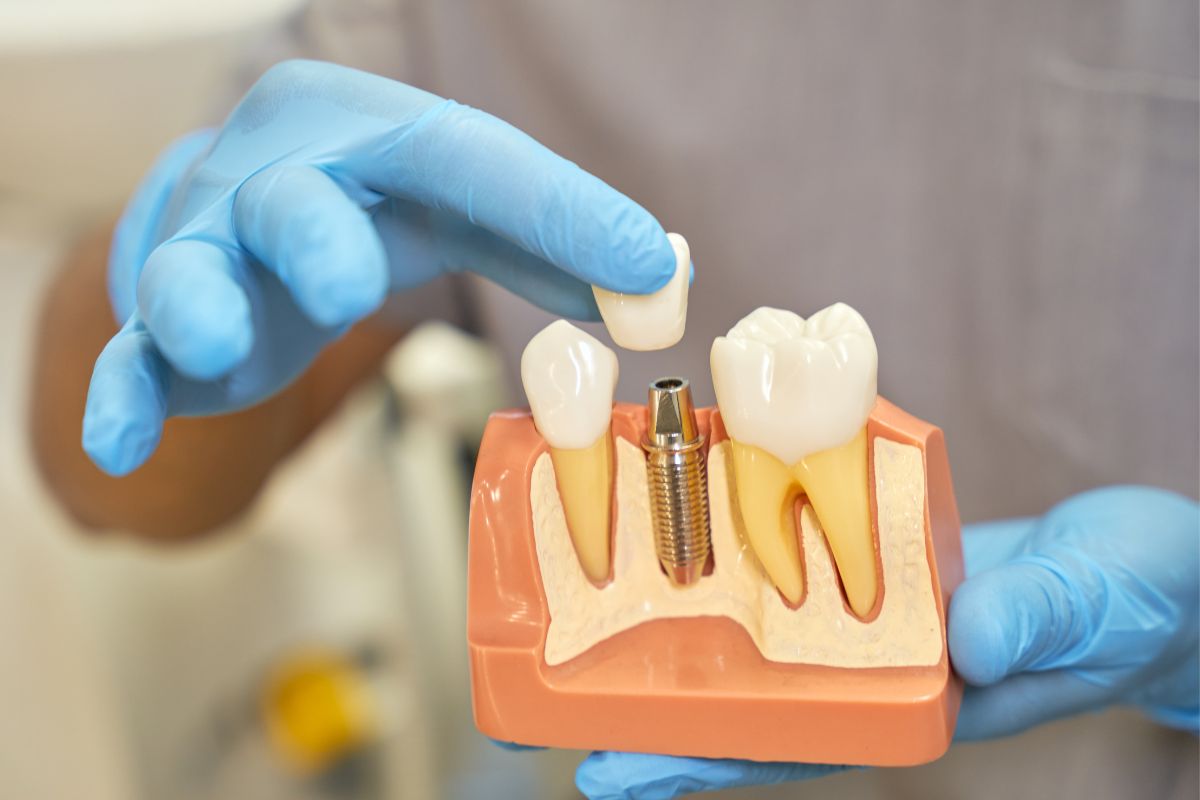
Dental implants have revolutionized the field of dentistry by offering a permanent solution for missing teeth. Among the various materials used for dental implants, zirconia, and titanium are the most prominent due to their biocompatibility and durability. This blog explores the advantages of these materials, helping you make an informed decision when considering dental implants.
What Are Biocompatible Dental Implants?
Biocompatibility refers to the ability of a material to integrate with the body’s tissues without causing an adverse reaction. For dental implants, biocompatibility is crucial to ensure the implant fuses well with the jawbone, providing a stable and long-lasting solution.
The Importance of Choosing the Right Material
Choosing the right material for your dental implant can significantly impact the success and longevity of the procedure. Both zirconia and titanium have proven to be highly effective, but they come with their own sets of benefits and considerations.
Advantages of Titanium Dental Implants
Titanium has been the gold standard in dental implants for decades. Here’s why:
Proven Track Record
Titanium dental implants have been used since the 1960s and have a long history of success. According to the American Academy of Implant Dentistry, the success rate for titanium implants is approximately 95%.
Excellent Osseointegration
Titanium’s ability to integrate with bone tissue, known as osseointegration, is exceptional. This means the implant becomes a permanent part of the jawbone, providing a stable and secure foundation for the replacement tooth.
Durability and Strength
Titanium is incredibly strong and can withstand the forces of chewing and biting. This durability makes it an excellent choice for dental implants, especially for patients who require a long-term solution.
Biocompatibility
Titanium is highly biocompatible, reducing the risk of implant rejection or allergic reactions. Most patients tolerate titanium implants well, making them a reliable option for dental restoration.
Cost-Effective
Compared to other materials, titanium implants are often more affordable, making them accessible to a wider range of patients.
Advantages of Zirconia Dental Implants
Zirconia, also known as zirconium dioxide, is a relatively newer material in the field of dental implants but has quickly gained popularity due to its unique benefits.
Metal-Free
One of the primary advantages of zirconia implants is that they are metal-free, making them an ideal choice for patients with metal allergies or sensitivities. For those seeking a holistic approach to dental care, zirconia is a preferred option.
Aesthetic Appeal
Zirconia implants are white, which closely resembles the natural color of teeth. This makes them particularly appealing for use in the front of the mouth where aesthetics are crucial.
High Biocompatibility
Zirconia is highly biocompatible and integrates well with the jawbone. Studies have shown that zirconia implants have a success rate comparable to titanium implants.
Resistance to Corrosion
Unlike metal implants, zirconia is resistant to corrosion and does not conduct heat or cold. This can lead to a more comfortable experience for patients.
Strength and Durability
While zirconia is not as strong as titanium, it is still incredibly durable and can provide a long-lasting solution for missing teeth.
Comparing Zirconia and Titanium: Which Is Better?
The choice between zirconia and titanium implants ultimately depends on individual needs and preferences. Here are some factors to consider:
Aesthetics
Zirconia implants may be the better choice for patients who prioritize aesthetics due to their tooth-like appearance.
Allergies and Sensitivities
Patients with metal allergies or sensitivities should opt for zirconia implants to avoid potential adverse reactions.
Strength and Durability
Titanium implants are generally more robust and durable for those requiring a solution that can withstand significant biting forces.
Cost
Titanium implants tend to be more cost-effective compared to zirconia implants. Patients on a budget may find titanium to be the more practical option.
Personal Preferences
Some patients prefer a holistic approach to dental care, making zirconia the material of choice due to its non-metallic nature.
The Role of Your Dentist in Choosing the Right Implant
Choosing the right type of dental implant is a decision that should be made in consultation with a qualified dentist. Your dentist will evaluate your oral health, discuss your preferences, and recommend the best material based on your specific needs.
Finding an experienced implant dentist is crucial for the success of your dental implant procedure. The dentist’s skill and expertise play a significant role in ensuring the implant integrates well with the jawbone and provides a stable foundation for the replacement tooth.
Conclusion
Both zirconia and titanium dental implants offer unique advantages, and the best choice depends on individual circumstances and preferences. Whether you choose zirconia for its aesthetic appeal and biocompatibility or titanium for its proven track record and durability, you can achieve a healthy, functional, and beautiful smile.