
880 Seven Hills Drive, Suite 130, Henderson, NV 89052
Dental Implants and Bone Health: How Bone Density Affects Implant Success


Aspire Dental | September 25, 2024
Dental implants provide a dependable solution when it comes to replacing missing teeth. However, their success depends largely on the patient’s bone health. Strong bone density is essential for ensuring implants integrate properly with the jawbone. When this parameter is insufficient, complications can arise, affecting stability and comfort.
Understanding the relationship between bone health and dental implants is vital for anyone considering prosthetic teeth. This blog will explore how bone density impacts implant success and the factors influencing bone health. Keep reading to explore the steps that can be taken to enhance your bone strength for optimal dental outcomes. Get ready to learn how to secure your smile!
Why Does Bone Health Matter for Dental Implants?
Bone density refers to the amount of bone mineral in a specific volume of bone. Higher bone density typically indicates stronger bones, which are crucial for supporting dental implants. When bone density is low, it can lead to complications in implant placement and stability.
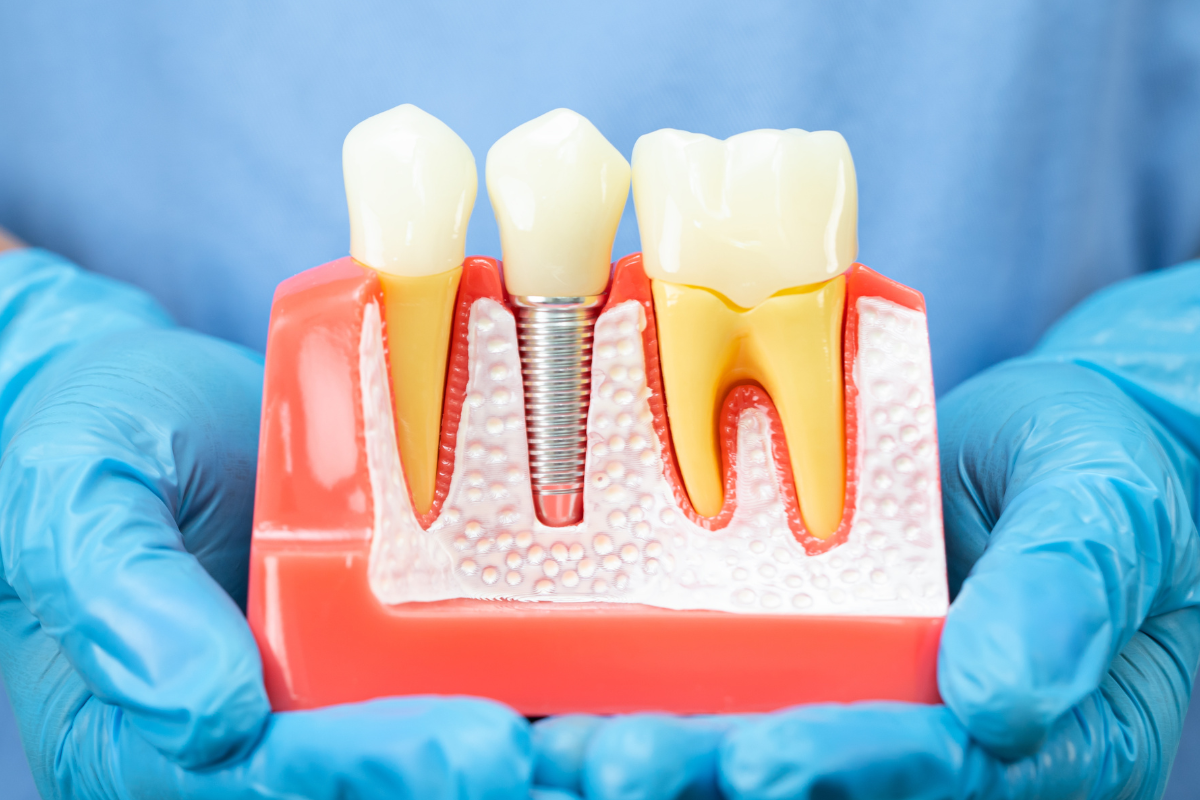
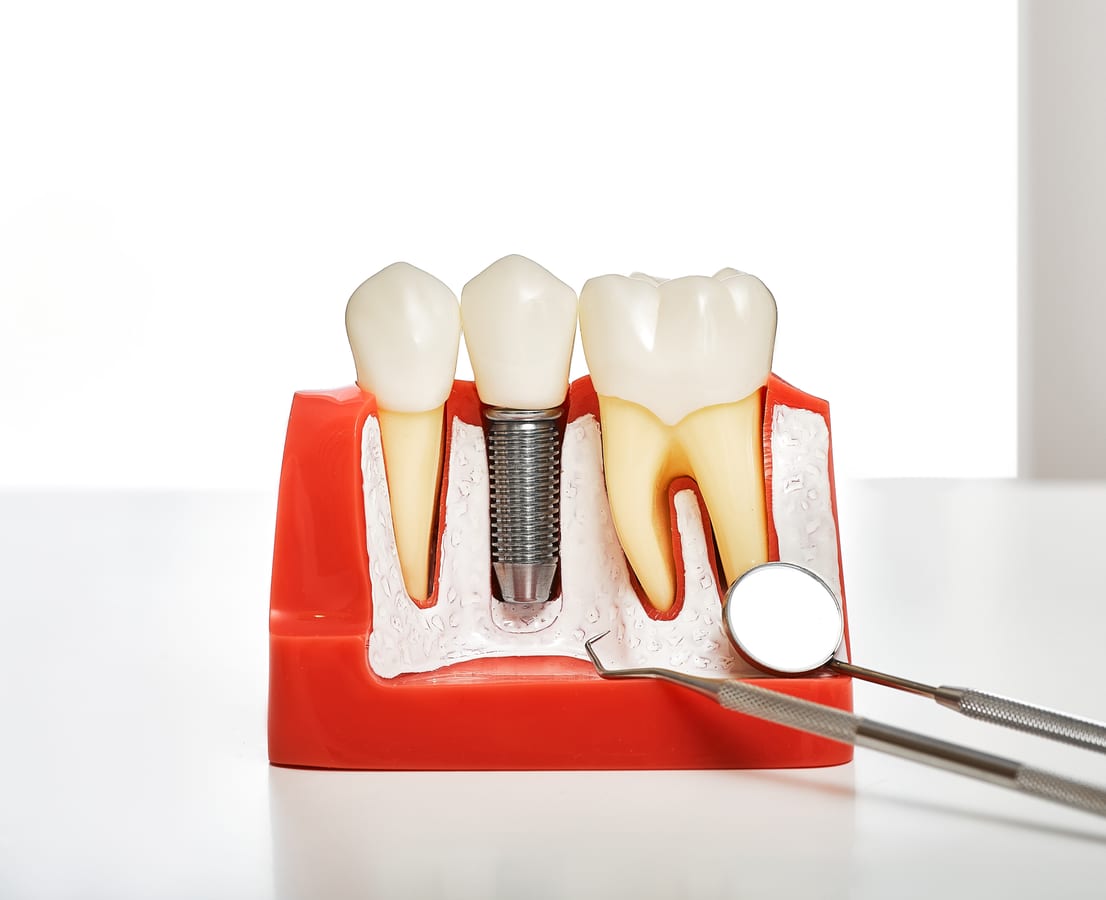
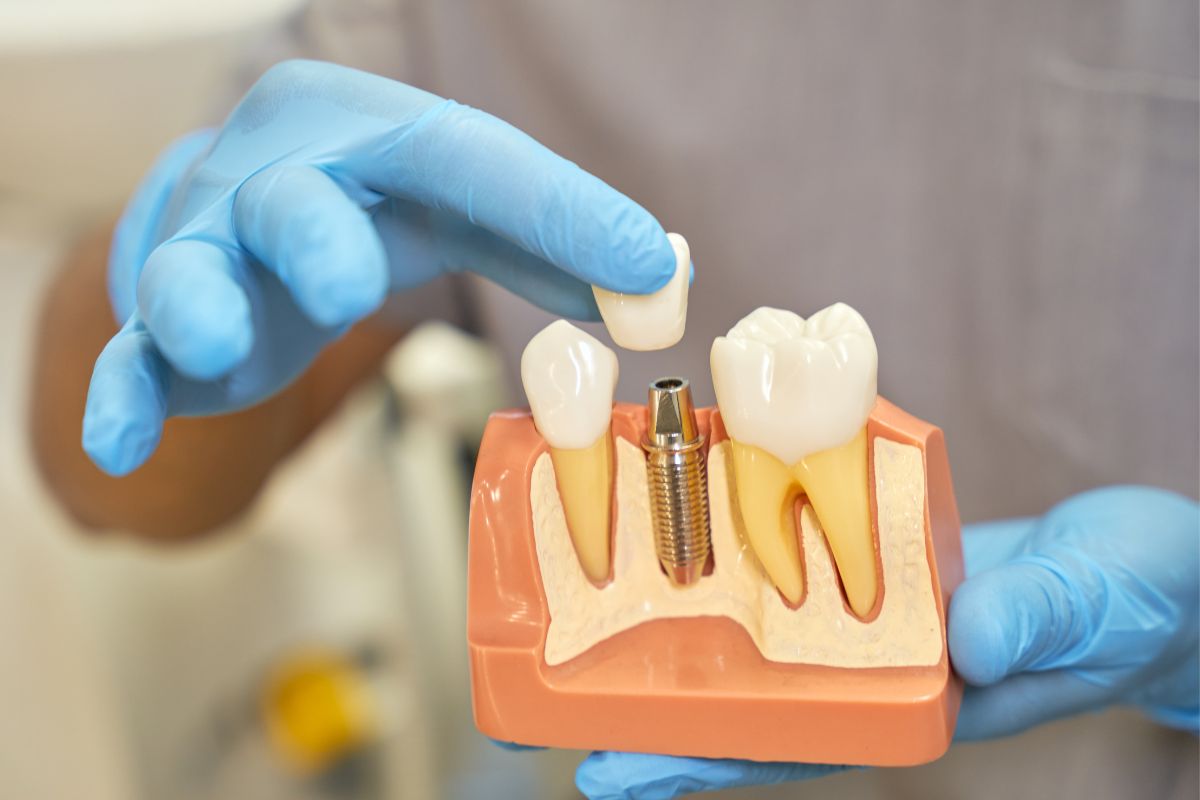
The success of dental implants relies on osseointegration, a process where the bone fuses with the implant. If the bone density is insufficient, the implant may fail to integrate properly. This can result in mobility, discomfort, and the need for additional treatments.
Factors Affecting Bone Density
Several factors influence bone density, which include the following:
Age: As we age, bone density naturally decreases due to slower bone regeneration. Older adults are more susceptible to conditions like osteoporosis, which significantly impacts bone strength.
Hormonal Changes: Hormones play a vital role in maintaining bone density. Changes during menopause can lead to decreased estrogen levels, increasing the risk of bone loss in women.
Diet and Nutrition: A diet lacking in essential nutrients, particularly calcium and vitamin D, can weaken bones. Adequate intake of these nutrients is crucial for maintaining optimal bone health.
Physical Activity: Regular weight-bearing exercises stimulate bone formation and increase density. Sedentary lifestyles contribute to bone loss, making physical activity essential for maintaining strong bones.
Lifestyle Choices: Smoking and excessive alcohol consumption negatively affect bone density. Avoiding these habits promotes better bone health and can improve outcomes for dental implant success.
Evaluating Bone Density Before Implant Placement
Before placing dental implants, a thorough evaluation of bone density is essential. Your dentist typically uses X-rays or CT scans to assess the quality and quantity of the jawbone. These imaging techniques help identify any deficiencies or irregularities that could affect implant stability.
If bone density is inadequate, your dentist may recommend additional procedures before proceeding with dental implants in Henderson. This careful assessment ensures a higher success rate for the implants.
How to Combat Bone Loss for Implant Success?
If you have experienced bone loss, there are ways to reverse this condition before getting dental implants. First, consult with your dentist or an implant specialist. They can assess your bone density and recommend appropriate treatments.
Bone grafting is a common procedure for patients with insufficient bone. This involves adding bone material to the jaw to promote new bone growth. Over time, the graft integrates with your existing bone, creating a stable foundation for implants.
Another option is sinus lifting, which is suitable for those with upper jaw bone loss. This procedure involves raising the sinus floor and adding bone material. Both procedures can enhance your chances of successful dental implants.
In addition to surgical options, lifestyle changes can aid bone health. A healthy, calcium- and vitamin D-rich diet is crucial to maintain adequate jawbone density. Incorporating foods like dairy, leafy greens, and fish can help strengthen bones.
Regular exercise is also beneficial. Weight-bearing activities like walking, jogging, or resistance training stimulate bone growth. Avoiding smoking and limiting alcohol intake can further support your bone health.
What is The Role of Your Dentist?
Your implant dentist in Henderson plays a crucial role in assessing and improving your bone health. These professionals offer tailored advice depending on your particular requirements. Regular check-ups allow for monitoring your bone density over time, ensuring you stay on track for a successful implant.
The connection between dental implants and bone health is critical. High bone density enhances the chances of implant success, while low density poses risks. If you’re considering dental implants, contact our dentist to evaluate your bone health. At Aspire Dental, we can develop a plan that maximizes the chances of successful implant placement.