880 Seven Hills Drive, Suite 130, Henderson, NV 89052
Dental Implants vs. Dental Bridges: Which Tooth Replacement Option Is Right for You?
Aspire Dental | July 6, 2026
Missing teeth can affect much more than your smile. They can make eating uncomfortable, change the way you speak, and even lead to shifting teeth or bone loss over time. Fortunately, modern dentistry offers reliable solutions to restore both function and confidence.
If you’re deciding between dental implants and dental bridges, understanding how each option works can help you make an informed decision. At Aspire Dental, we help patients choose the treatment that best fits their oral health, lifestyle, and long-term goals. If you’re considering dental implant treatment, this guide explains the key differences between implants and bridges so you can feel confident about your next step.
Why Replacing Missing Teeth Matters
Even a single missing tooth can create problems if left untreated. Nearby teeth may begin to shift into the empty space, affecting your bite and making cleaning more difficult. Over time, the jawbone beneath the missing tooth can shrink because it no longer receives stimulation from a tooth root.
Replacing missing teeth helps:
- Restore your smile and confidence
- Improve chewing and speaking
- Prevent neighboring teeth from shifting
- Maintain facial structure
- Support long-term oral health
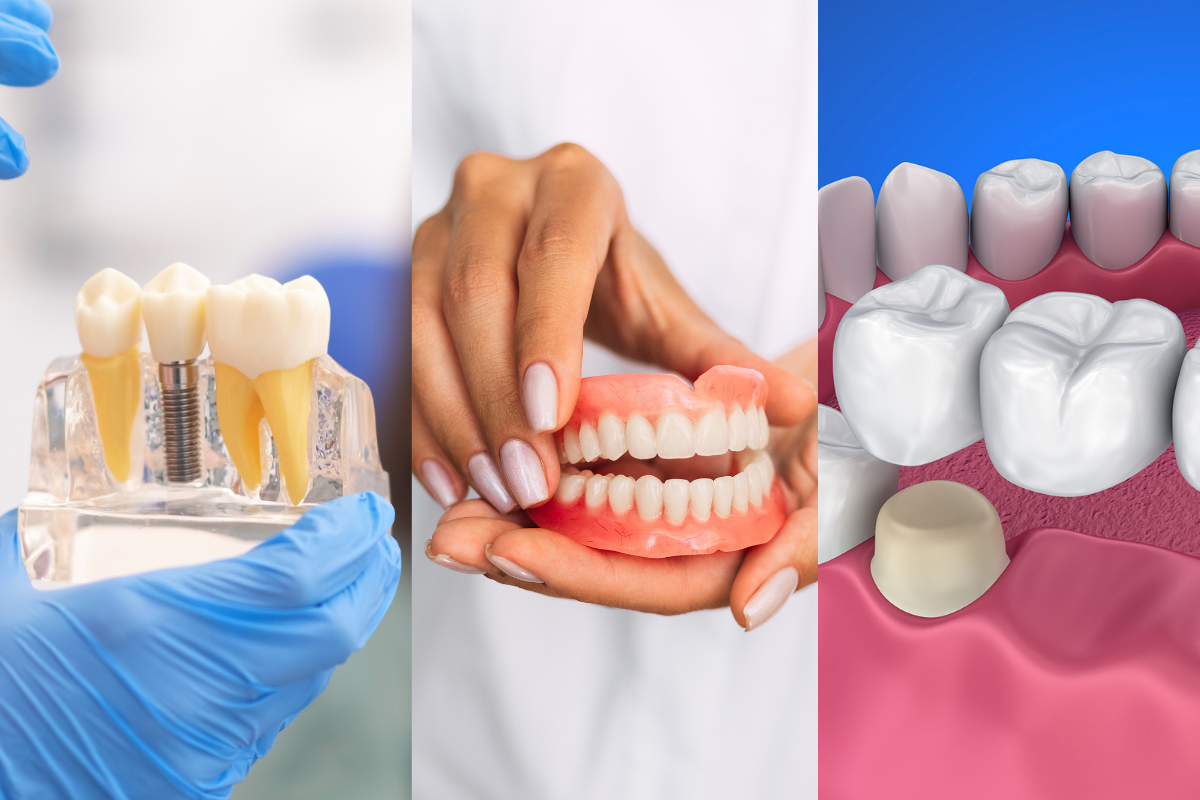
Two of the most common treatment options are dental implants and dental bridges.
What Is a Dental Implant?
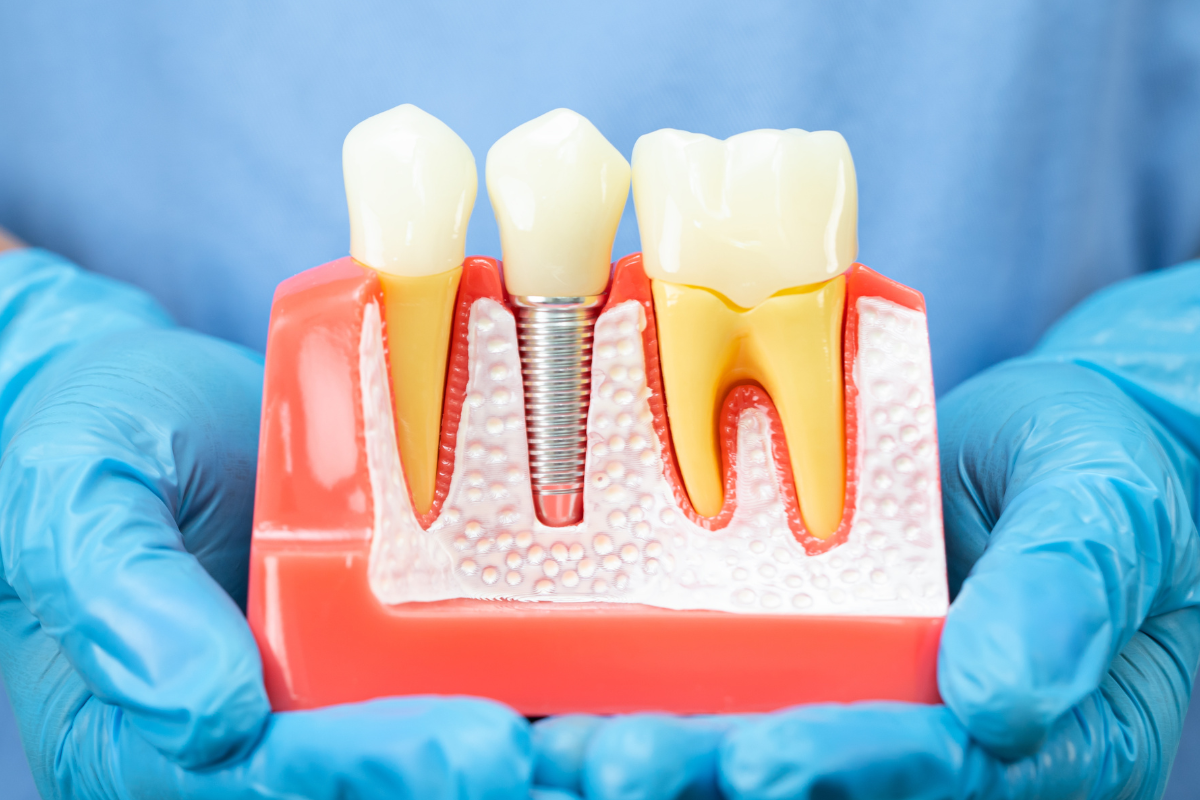
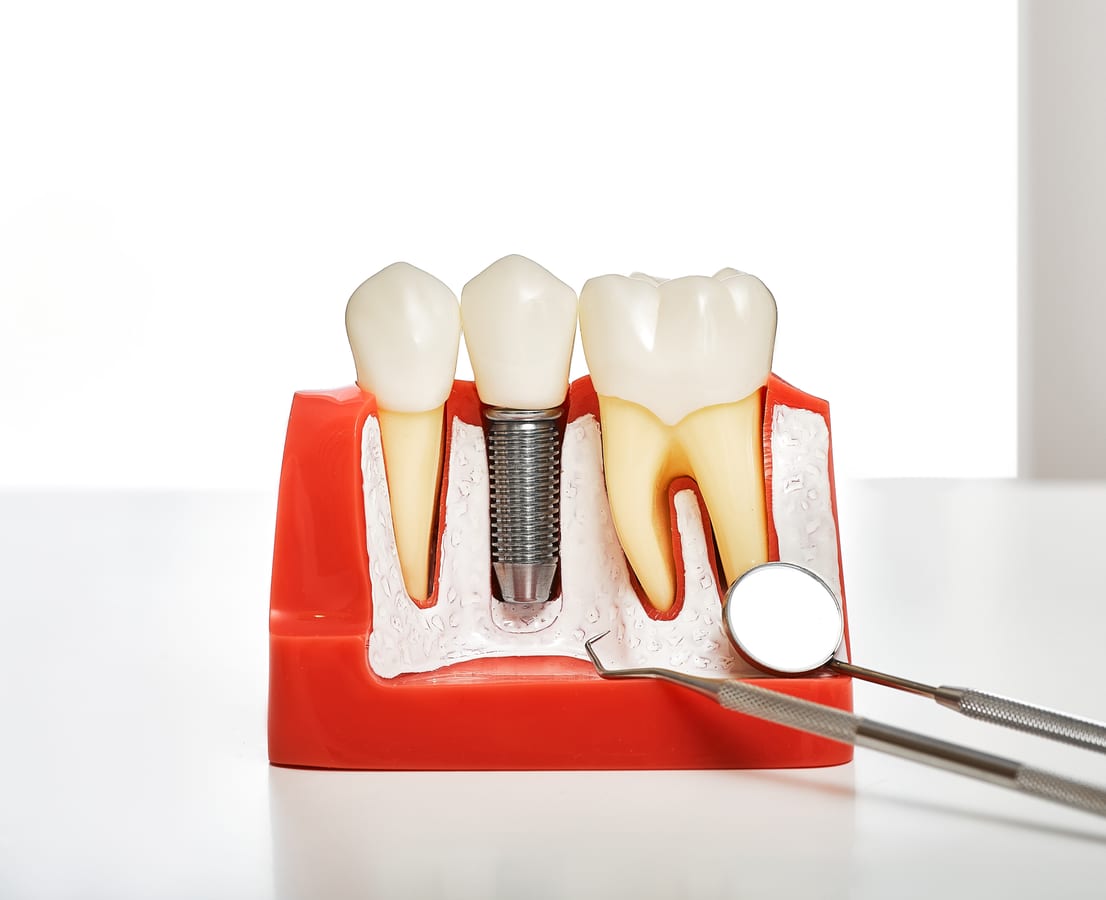
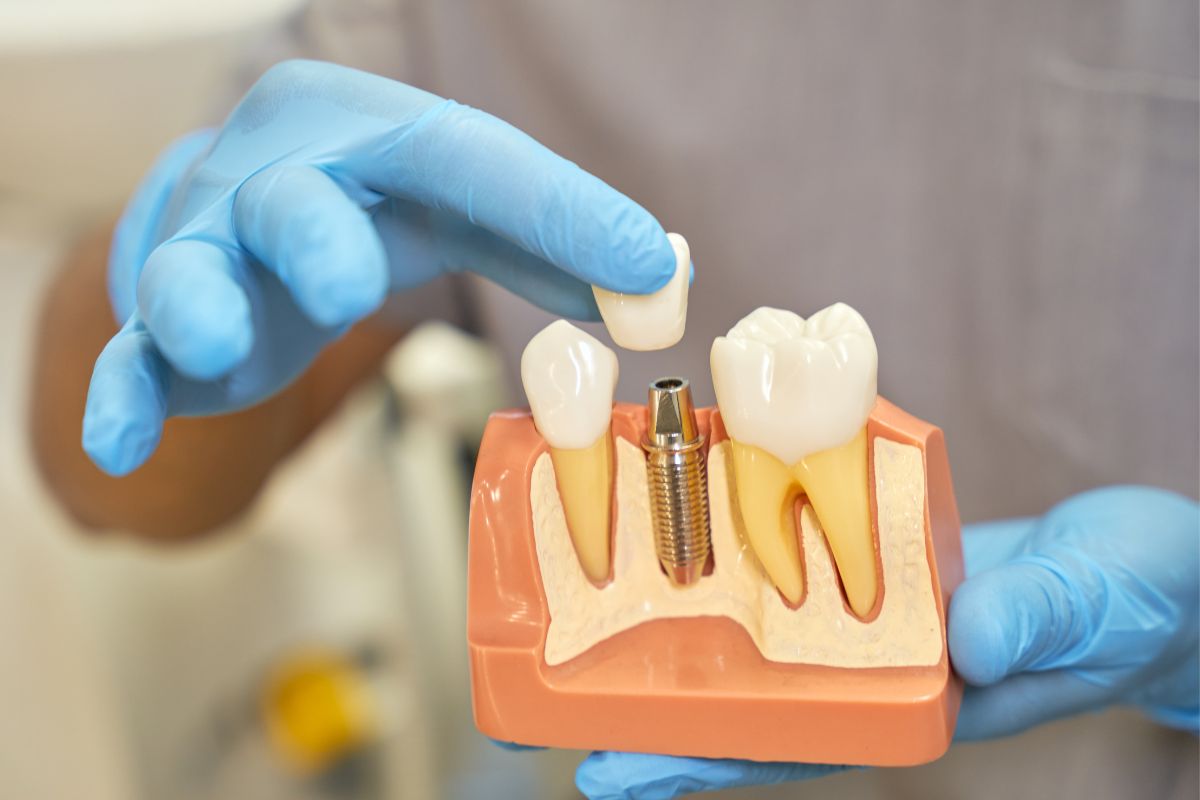
A dental implant is a permanent tooth replacement that includes three parts:
- A titanium implant post placed into the jawbone
- An abutment that connects the implant to the restoration
- A custom dental crown that looks and functions like a natural tooth
The implant acts as an artificial tooth root, allowing the jawbone to stay healthy while providing excellent stability. Patients seeking dental implant treatment in Henderson often choose implants because they closely mimic the appearance and function of natural teeth.
What Is a Dental Bridge?
A dental bridge replaces one or more missing teeth by attaching an artificial tooth to the healthy teeth on either side of the gap. These supporting teeth are reshaped so dental crowns can hold the bridge securely in place.
Dental bridges have been used successfully for many years and remain a good option for patients who may not be candidates for implant surgery.
Dental Implants vs. Dental Bridges: Key Differences
Longevity
Dental implants are designed to last for decades with proper care. While the crown may eventually need replacement due to normal wear, the implant itself can often last a lifetime.
Dental bridges generally last between 10 and 15 years before they may need repair or replacement.
Jawbone Health
One of the biggest advantages of dental implants is that they help preserve the jawbone. Because the implant replaces the tooth root, it continues stimulating the bone during chewing.
Dental bridges do not replace the missing root, so bone loss beneath the missing tooth can continue over time.
Appearance
Both implants and bridges can look natural when created by an experienced dental team. However, implants emerge directly from the gums like natural teeth, creating an especially realistic appearance.
Effect on Healthy Teeth
Dental implants stand independently and do not rely on neighboring teeth for support.
Dental bridges require healthy adjacent teeth to be reshaped so crowns can hold the bridge in place. While this is safe when properly planned, it does involve altering otherwise healthy teeth.
Comfort and Function
Dental implants feel very similar to natural teeth because they are anchored securely within the jawbone. Patients can comfortably enjoy many of their favorite foods without worrying about movement.
Dental bridges also restore chewing ability but may not provide the same level of stability as implants over the long term.
Oral Hygiene
Implants can be brushed and flossed much like natural teeth.
Bridges require extra care underneath the artificial tooth using floss threaders or specialized cleaning tools to prevent plaque buildup.
Who Is a Good Candidate for Dental Implants?
Dental implants are an excellent choice for many adults, especially those who:
- Have one or more missing teeth
- Have healthy gums
- Have sufficient jawbone to support an implant
- Practice good oral hygiene
- Do not smoke or are willing to quit during healing
If bone loss has already occurred, procedures such as bone grafting may help prepare the jaw for implant placement. A consultation with a trusted dental implant provider can determine whether implants are the right solution for your individual needs.
When Is a Dental Bridge a Better Option?
Although implants offer many advantages, bridges may still be the best choice in certain situations. A dental bridge may be recommended if:
- You are not a candidate for implant surgery.
- You prefer a shorter treatment timeline.
- Your jawbone cannot support an implant without additional procedures.
- Medical conditions make surgery less appropriate.
Every smile is unique, and the right treatment depends on your overall oral health and personal preferences.
What Is the Treatment Process for Dental Implants?
Patients considering dental implant treatment in Henderson can generally expect the following steps:
Comprehensive Evaluation
Your dentist examines your teeth, gums, and jawbone using digital imaging to create a personalized treatment plan.
Implant Placement
The titanium implant is carefully placed into the jawbone under local anesthesia. Most patients report that the procedure is more comfortable than expected.
Healing Period
Over the next several months, the implant naturally fuses with the jawbone through a process called osseointegration.
Final Restoration
Once healing is complete, a custom dental crown is attached to the implant, restoring both appearance and function.
How to Choose the Right Tooth Replacement Option
Choosing between implants and bridges depends on several factors, including:
- Your oral health
- Jawbone condition
- Number of missing teeth
- Budget
- Long-term expectations
- Overall health
A personalized evaluation allows your dentist to recommend the solution that provides the best balance of function, appearance, and durability.
Why Many Henderson Patients Choose Dental Implants
Many patients appreciate dental implants because they:
- Look and feel like natural teeth
- Help preserve jawbone health
- Restore strong chewing ability
- Do not affect neighboring teeth
- Offer exceptional long-term value
- Require routine daily care similar to natural teeth
These advantages make implants one of today’s most predictable and durable tooth replacement options.
Conclusion
Both dental implants and dental bridges can successfully replace missing teeth and restore your smile. The best option depends on your individual needs, oral health, and long-term goals.
If you’re looking for dental implant treatment in Henderson, book your appointment with our experienced team at Aspire Dental can evaluate your smile, explain your options, and help you choose the treatment that fits your lifestyle. Working with a trusted dental implant provider ensures you receive personalized care designed for lasting results.
FAQs
1. Are dental implants better than dental bridges?
Dental implants offer several long-term benefits, including jawbone preservation, durability, and independent support. However, dental bridges remain an excellent option for some patients depending on their oral health and treatment goals.
2. How long do dental implants last?
With proper oral hygiene and regular dental checkups, dental implants can last for decades. Many patients enjoy lifelong results from the implant itself.
3. Is dental implant surgery painful?
Most patients experience minimal discomfort during the procedure because local anesthesia is used. Mild soreness afterward is usually manageable with recommended medications.
4. How long does dental implant treatment take?
The complete process typically takes several months, allowing the implant to fully integrate with the jawbone before the final crown is placed.
5. Can anyone receive dental implants?
Many healthy adults qualify for implants, but sufficient jawbone and healthy gums are important. Your dentist will determine whether implants are the best option during a comprehensive evaluation.