
880 Seven Hills Drive, Suite 130, Henderson, NV 89052
Implant Supported Full Bridge – An Option for Replacing Missing Teeth


Aspire Dental | August 20, 2024
Losing multiple teeth can significantly impact your quality of life, affecting everything from how you eat to your confidence in social situations. Fortunately, modern dentistry offers several solutions to restore your smile, one of the most effective being an implant-supported full bridge. This advanced dental restoration replaces missing teeth and provides a stable, long-lasting solution that feels and functions like natural teeth.
In this blog, we’ll explore what an implant-supported full bridge is, how it works, the benefits it offers, and why it might be the ideal option for replacing your missing teeth.
What is an Implant-Supported Full Bridge?
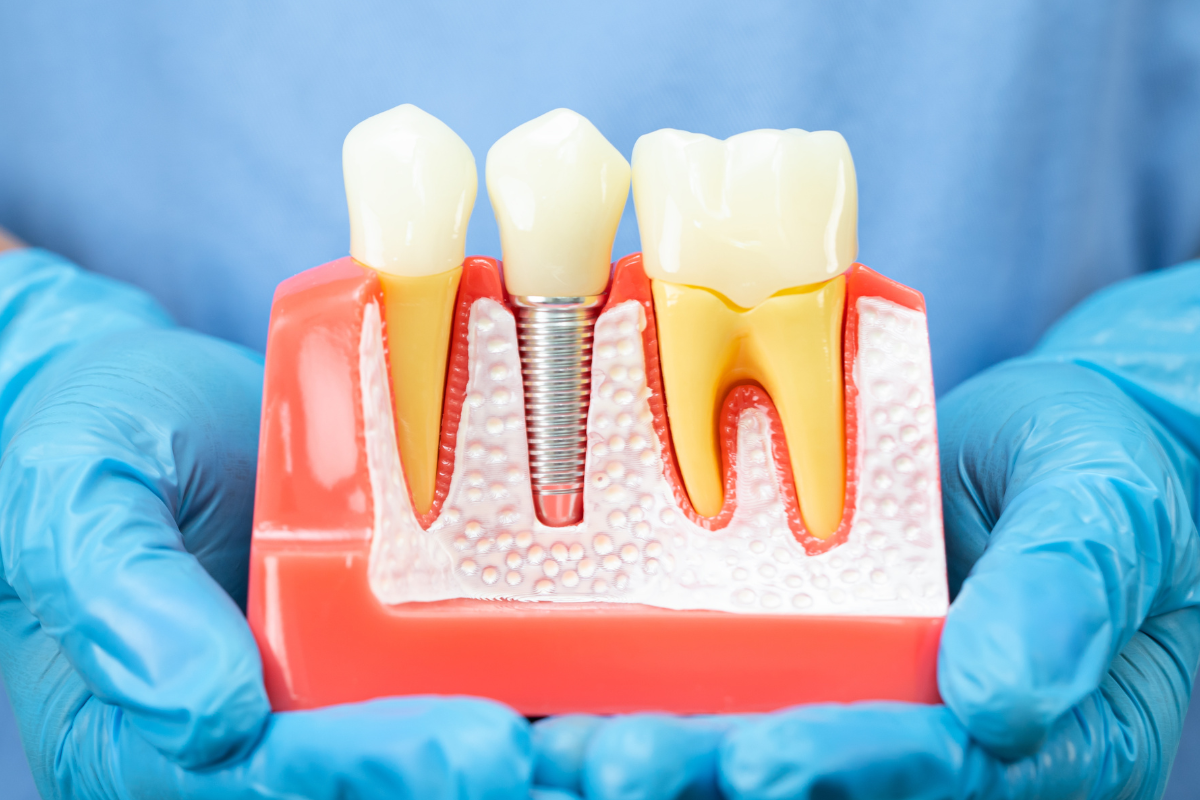
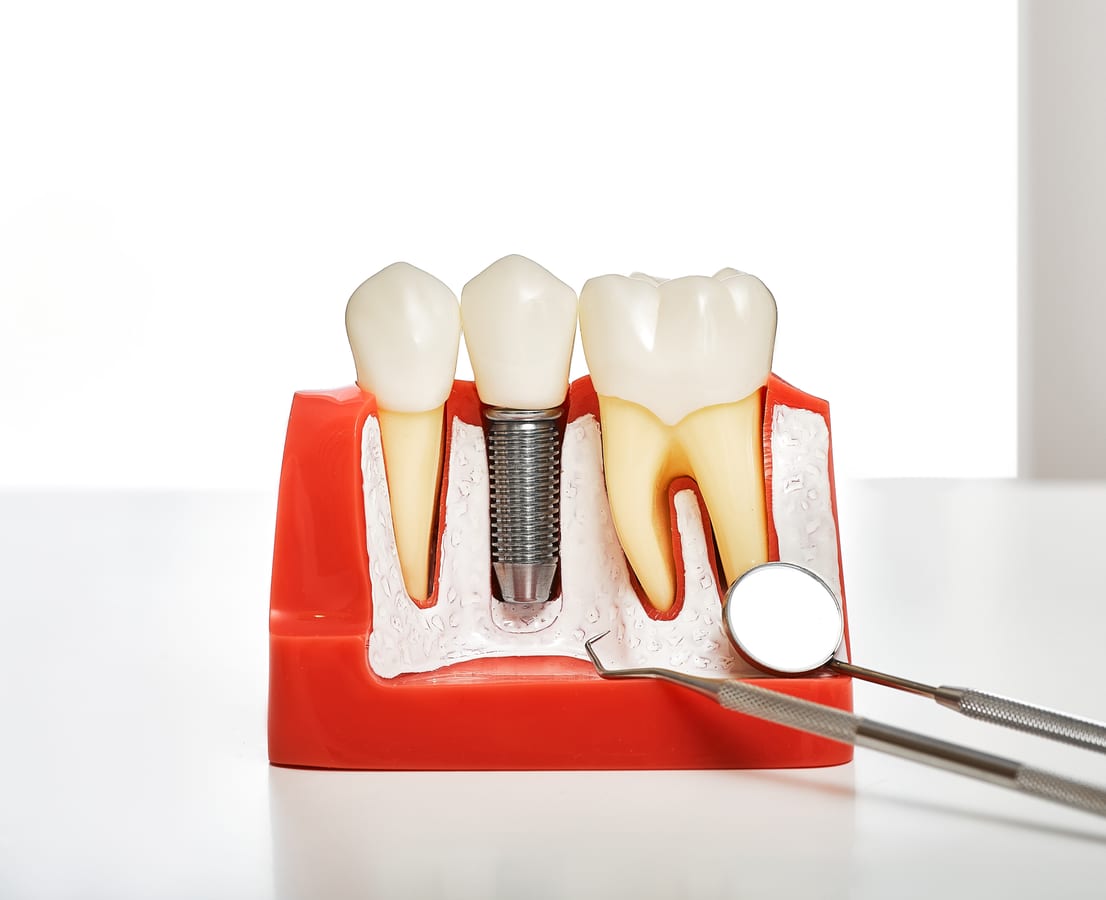
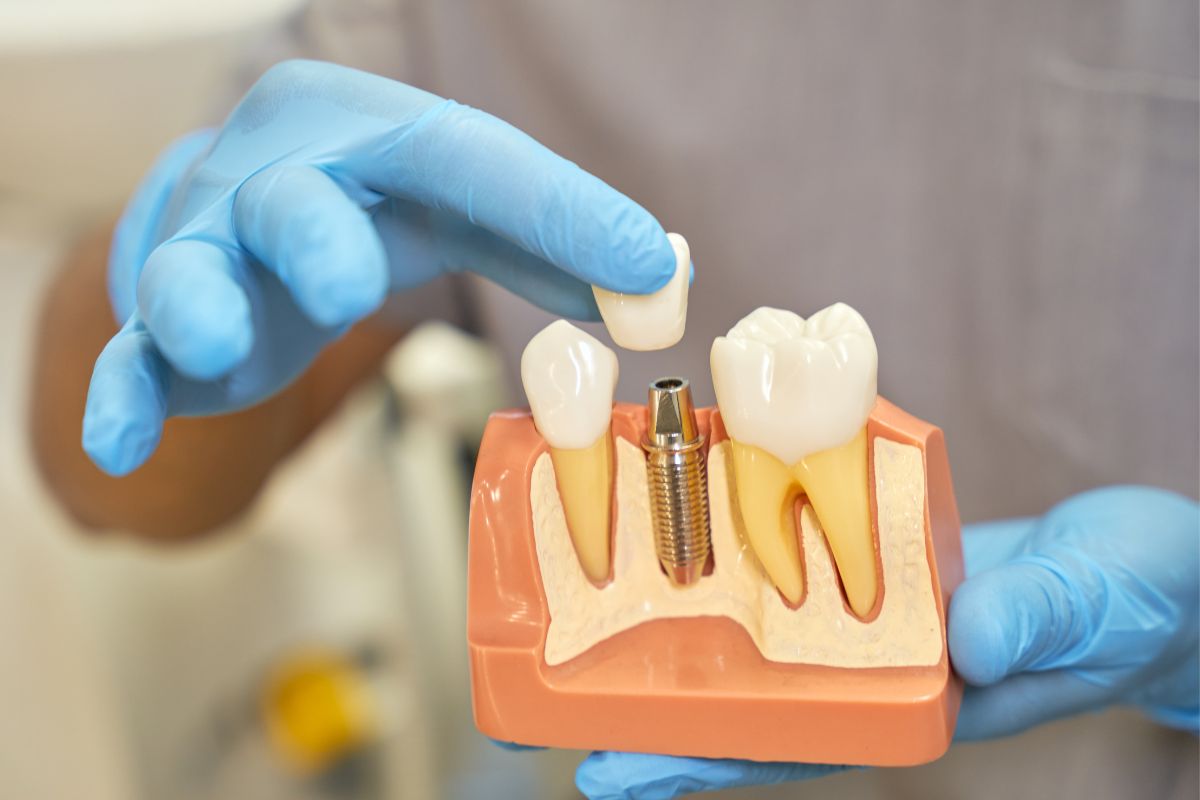
An implant-supported full bridge is a dental prosthesis designed to replace an entire arch of missing teeth. Unlike traditional dentures that rest on the gums, an implant-supported full bridge is anchored to dental implants surgically placed into the jawbone. These implants act as artificial tooth roots, providing a secure and stable foundation for the bridge, which consists of a row of artificial teeth.
This type of restoration is particularly beneficial for patients who have lost several teeth in a row or all of the teeth in one arch (either upper or lower). The implant-supported full bridge mimics the function and appearance of natural teeth more closely than traditional dentures or bridges that do not involve implants.
How Does an Implant-Supported Full Bridge Work?
- Initial Consultation and Planning:
The first step in getting an implant-supported full bridge is a thorough dental examination and consultation with your dentist. During this appointment, your dentist will assess your oral health, take detailed images of your jaw, and discuss your treatment options. If you have sufficient jawbone density, you may be a good candidate for dental implants. - Implant Placement:
Once the treatment plan is finalized, the next step is the surgical placement of the dental implants. Typically, four to six implants are placed strategically in the jawbone to support the full bridge. These implants are made of biocompatible materials, usually titanium, which integrate with the jawbone over time through a process called osseointegration. - Healing and Osseointegration:
After the implants are placed, a healing period of several months is necessary to allow the implants to fuse with the bone. During this time, temporary teeth may be placed to maintain aesthetics and function. - Placement of the Full Bridge:
Once the implants have fully integrated with the bone, the final step is to attach the custom-made full bridge to the implants. The bridge is carefully crafted to match the shape, size, and color of your natural teeth, ensuring a seamless and natural-looking smile.
Benefits of an Implant-Supported Full Bridge
- Stability and Functionality:
One of the primary advantages of an implant-supported full bridge is the stability it offers. Unlike traditional dentures that can shift or slip, the implant-supported bridge is securely anchored to the jawbone, allowing you to chew, speak, and smile with confidence. The stability provided by the implants also helps maintain the bone structure of your jaw, preventing bone loss that often occurs with missing teeth. - Natural Look and Feel:
Implant-supported full bridges are designed to look and feel like natural teeth. The bridge is customized to blend seamlessly with your existing teeth and gums, giving you a natural-looking smile. Additionally, because the implants act as artificial tooth roots, the bridge provides the same sensation as natural teeth when eating or speaking. - Long-Lasting Solution:
With proper care and maintenance, an implant-supported full bridge can last for many years, often decades. The implants themselves are highly durable and resistant to decay, making them a long-term solution for missing teeth. This longevity makes implant-supported full bridges a cost-effective investment in your oral health and overall well-being. - Preservation of Jawbone and Facial Structure:
One of the significant drawbacks of traditional dentures is the gradual loss of jawbone that occurs when teeth are missing. This bone loss can lead to a sunken appearance in the face, making you look older. Implant-supported full bridges help preserve the jawbone by stimulating the bone, much like natural tooth roots would. This preservation of bone structure helps maintain your facial appearance and overall oral health.
Who is a Candidate for an Implant-Supported Full Bridge?
An implant-supported full bridge is an excellent option for patients who lost several teeth or an entire arch of teeth. However, not everyone is an ideal candidate for this treatment. Factors that influence candidacy include:
- Sufficient Jawbone Density:
To support the implants, you need adequate bone density in your jaw. If you have experienced significant bone loss, you may require a bone graft before implants can be placed. - Good Oral and General Health:
Candidates should have healthy gums and be free from conditions like uncontrolled diabetes that can affect healing. Good overall health is also important for a successful recovery after implant surgery. - Commitment to Oral Hygiene:
While implant-supported full bridges are low-maintenance, they do require regular care, including brushing, flossing, and routine dental visits, to ensure long-term success.
Caring for Your Implant-Supported Full Bridge
Maintaining your implant-supported full bridge is relatively straightforward. Here are some tips to keep your bridge in top condition:
- Brush and Floss Regularly:
Just like natural teeth, your bridge needs regular brushing and flossing to prevent plaque buildup and maintain oral hygiene. Special floss or interdental brushes may be recommended to clean around the implants. - Routine Dental Checkups:
Regular visits to your dentist are essential to monitor the health of your implants and the surrounding tissues. Your dentist will check the fit of your bridge and ensure that the implants are functioning properly. - Avoid Hard Foods:
While your implant-supported bridge is durable, it’s best to avoid chewing on very hard foods, which could damage the bridge or put unnecessary stress on the implants. - Use a Mouthguard:
If you grind your teeth at night, wearing a mouthguard can protect your implants and bridge from excessive wear.
Conclusion
An implant-supported full bridge offers a stable, natural-looking, and long-lasting solution for replacing multiple missing teeth. By choosing this advanced dental restoration, regain your smile, improve your oral health, and enhance your overall quality of life.
At Aspire Dental in Henderson, we specialize in implant-supported restorations, offering personalized care and advanced treatment options to meet your unique needs. If you’re considering an implant-supported full bridge or want to learn more about your options for replacing missing teeth, contact us today to schedule a consultation. Our experienced team is here to help you achieve a healthy, beautiful smile.