880 Seven Hills Drive, Suite 130, Henderson, NV 89052
The Slick Deception: Why Oil Pulling Falls Short for Oral Care
Aspire Dental | June 4, 2024
Oil pulling, an ancient Ayurvedic practice, has gained popularity recently as a natural remedy for improving oral health. Proponents claim that swishing oil in the mouth can remove toxins, whiten teeth, and prevent cavities. However, as a dentist, Dr. Christopher Capener, would like to offer you a professional perspective on why oil pulling may not be beneficial for your teeth and gums.
What is Oil Pulling?
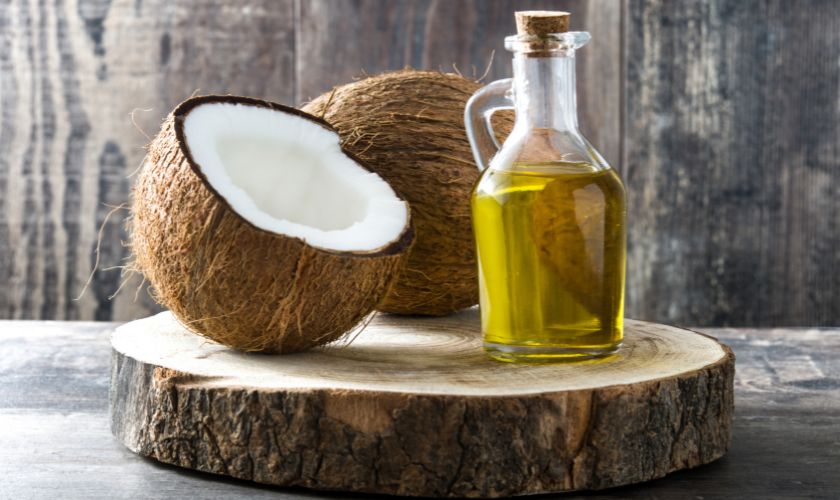
Oil pulling involves swishing a tablespoon of oil (usually coconut, sesame, or sunflower oil) in the mouth for 15-20 minutes and then spitting it out. This practice is believed to “pull” toxins and bacteria out of the mouth, improving oral and overall health.
The Claims vs. The Reality! Why Oil Pulling Is Not Good for Your Teeth?
Despite anecdotal claims, scientific evidence does not support oil pulling as an effective method for improving oral health, and it may even delay or replace proven treatments, potentially leading to negative consequences for your teeth and gums.
Claim: Oil Pulling Whitens Teeth
Reality: While anecdotal evidence suggests that oil pulling can whiten teeth, scientific studies supporting this claim are limited. Any perceived whitening effect is likely due to the removal of surface stains rather than any intrinsic bleaching action. Professional teeth whitening procedures are far more effective and safe.
Claim: Oil Pulling Prevents Cavities and Gum Disease
Reality: The American Dental Association (ADA) states that there is insufficient scientific evidence to support the claim that oil pulling prevents cavities or gum disease. Brushing twice a day with fluoride toothpaste, flossing daily, and regular dental check-ups are proven methods for maintaining oral health and preventing dental issues.
The Risks of Oil Pulling
1. Not a Substitute for Brushing and Flossing
Oil pulling should never be used as a substitute for traditional oral hygiene practices. Brushing and flossing are essential for removing plaque and preventing tooth decay and gum disease. Oil pulling does not effectively remove plaque, which can lead to a buildup of harmful bacteria.
2. Potential for Lipoid Pneumonia
Swallowing oil during the pulling process can lead to lipoid pneumonia, a rare condition caused by inhaling fatty substances into the lungs. This risk, although low, is particularly concerning for individuals who may not be accustomed to the practice.
3. Gag Reflex and Discomfort
Swishing oil in the mouth for an extended period can trigger the gag reflex and cause discomfort. This can deter individuals from maintaining proper oral hygiene practices, ultimately harming their dental health.
4. Delayed Professional Treatment
Relying on oil pulling instead of seeking professional dental care can lead to the progression of dental issues. Cavities, gum disease, and other oral health problems require prompt treatment by a qualified dentist to prevent complications.
Scientific Perspective on Oil Pulling
A study published in the Journal of Clinical and Diagnostic Research (2014) compared oil pulling with chlorhexidine mouthwash in reducing oral bacteria. The study found that while oil pulling did reduce bacteria, it was significantly less effective than chlorhexidine. Another review in the Journal of Traditional and Complementary Medicine (2017) highlighted the lack of high-quality evidence supporting the benefits of oil pulling.
Professional Recommendations
Dentists recommend adhering to evidence-based practices for maintaining oral health:
1. Brush and Floss Daily
- Brush: Use fluoride toothpaste and a soft-bristled toothbrush to brush your teeth at least twice a day. This helps remove plaque and prevent cavities.
- Floss: Clean between your teeth daily to remove plaque and food particles that a toothbrush can’t reach.
2. Regular Dental Check-Ups
- Schedule regular dental check-ups and cleanings. Professional cleanings remove plaque and tartar build-up that regular brushing and flossing can miss.
3. Healthy Diet
- Maintain a balanced diet, low in sugary foods and drinks. Sugary foods contribute to tooth decay by providing fuel for harmful bacteria.
4. Fluoride Use
- Fluoride strengthens tooth enamel and prevents decay. Use fluoride toothpaste and consider fluoride treatments recommended by your dentist.
Alternatives to Oil Pulling
If you’re looking for natural ways to enhance your oral health, consider these alternatives:
1. Mouth Rinses
- Use mouth rinses with antibacterial properties to reduce oral bacteria and freshen your breath. Look for rinses with the ADA Seal of Acceptance.
2. Chewing Sugar-Free Gum
- Chewing sugar-free gum stimulates saliva production, which helps wash away food particles and neutralize acids produced by bacteria.
3. Hydration
- Drink plenty of water throughout the day to keep your mouth hydrated and help rinse away food particles and bacteria.
Conclusion
While oil pulling may seem like an attractive natural remedy for improving oral health, it’s essential to consider the lack of scientific evidence supporting its benefits and the potential risks involved. As a dentist, Dr. Christopher Capener, DDS, advocates for evidence-based dental care practices that have been proven to maintain and improve oral health. Brush and floss daily, maintain a healthy diet, and schedule regular dental check-ups to keep your smile healthy and bright.
For more information on maintaining your oral health or to schedule a dental appointment, contact our office today. Let us help you achieve a healthy, beautiful smile through proven dental care practices.