880 Seven Hills Drive, Suite 130, Henderson, NV 89052
From Dentures to Dental Implants: When It May Be Time to Consider an Upgrade

Aspire Dental | September 22, 2026
If your dentures feel loose, make eating difficult, or require frequent adjustments, it may be worth discussing dental implants with your dentist. Unlike traditional dentures that rest on the gums, implants are anchored into the jawbone and can support replacement teeth more securely. For adults in Henderson who want a more stable and long-lasting solution for missing teeth, dental implants may be an option when their oral health and bone structure are suitable.
When Dentures May No Longer Feel Like the Right Fit
Dentures can restore your smile and make it easier to chew after tooth loss. However, they do not replace the tooth root. Over time, changes in the jawbone and gums can affect how well dentures fit.
You may want to speak with a dentist if you notice:
- Dentures slipping or moving while speaking or eating
- Sore spots or repeated gum irritation
- Difficulty chewing certain foods
- Frequent denture adjustments or replacements
- Changes in facial appearance caused by bone loss
- Feeling uncomfortable wearing dentures in social situations
These issues do not necessarily mean that your dentures have failed. They may simply indicate that your mouth has changed and another tooth replacement option could better suit your needs.
How Dental Implants Differ From Dentures
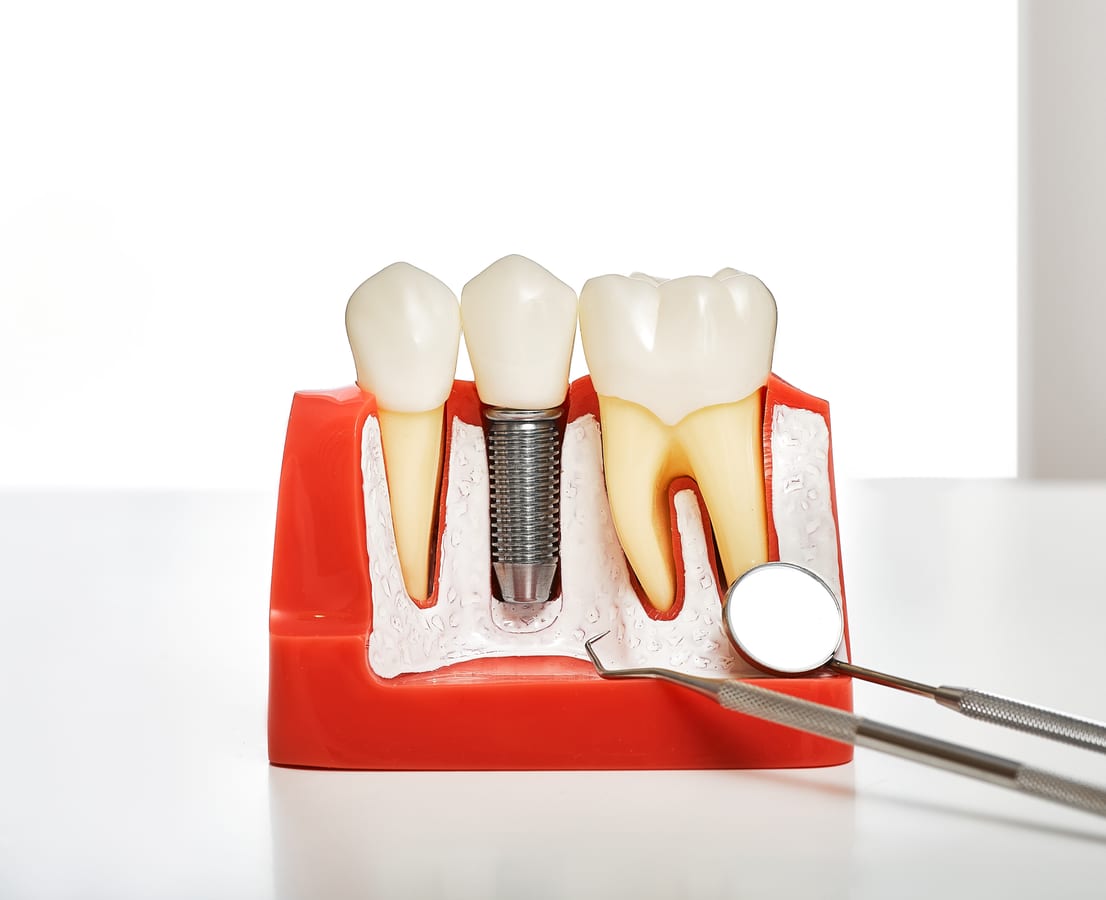
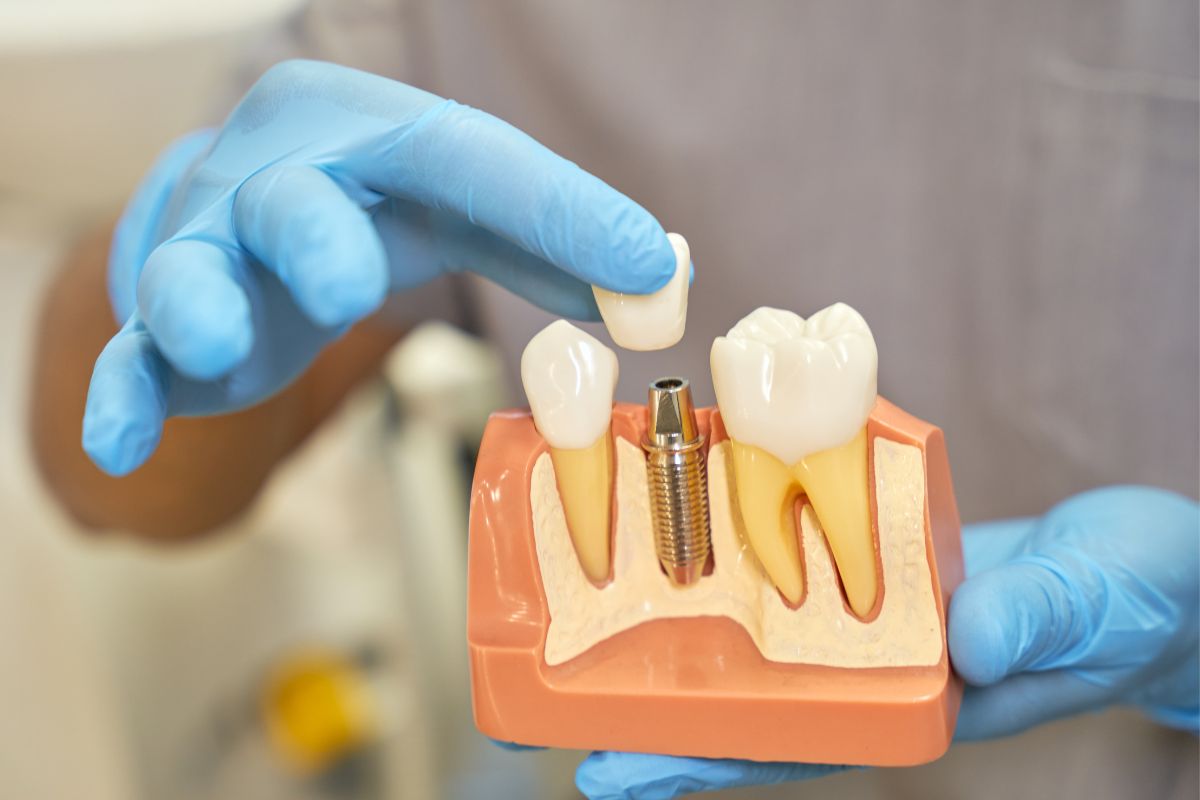
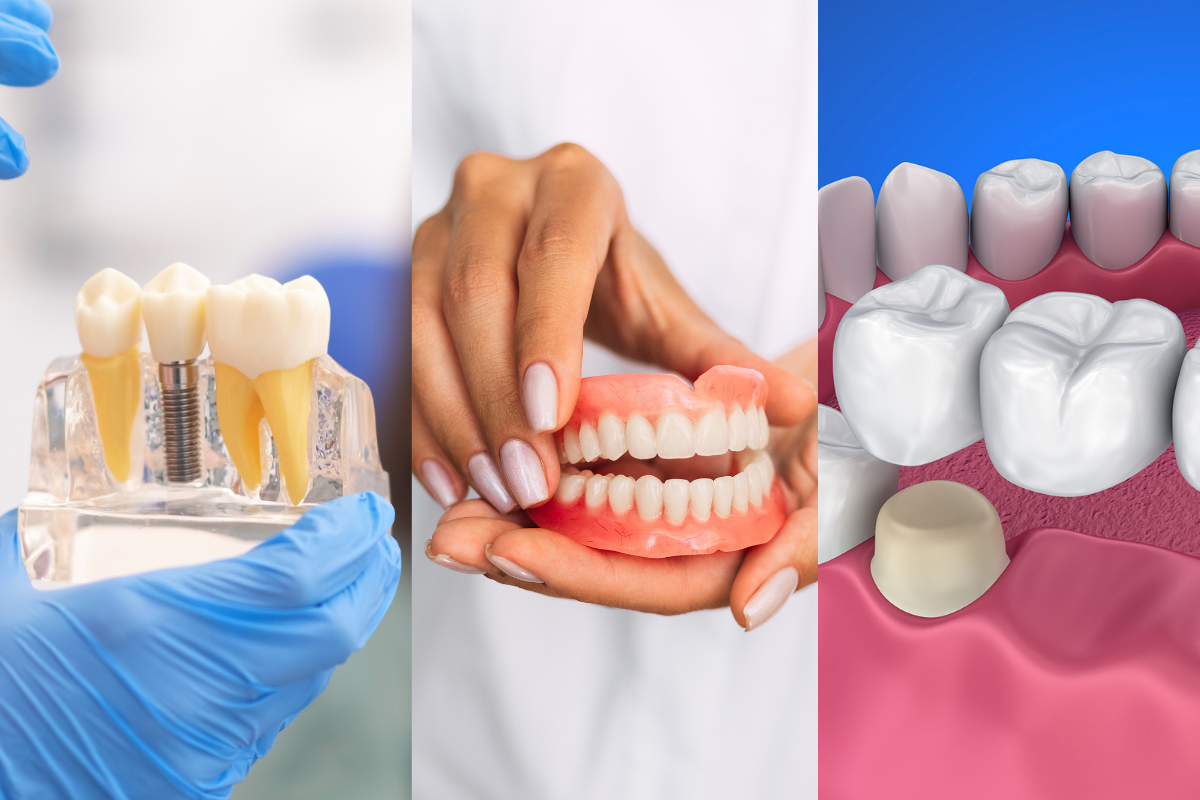
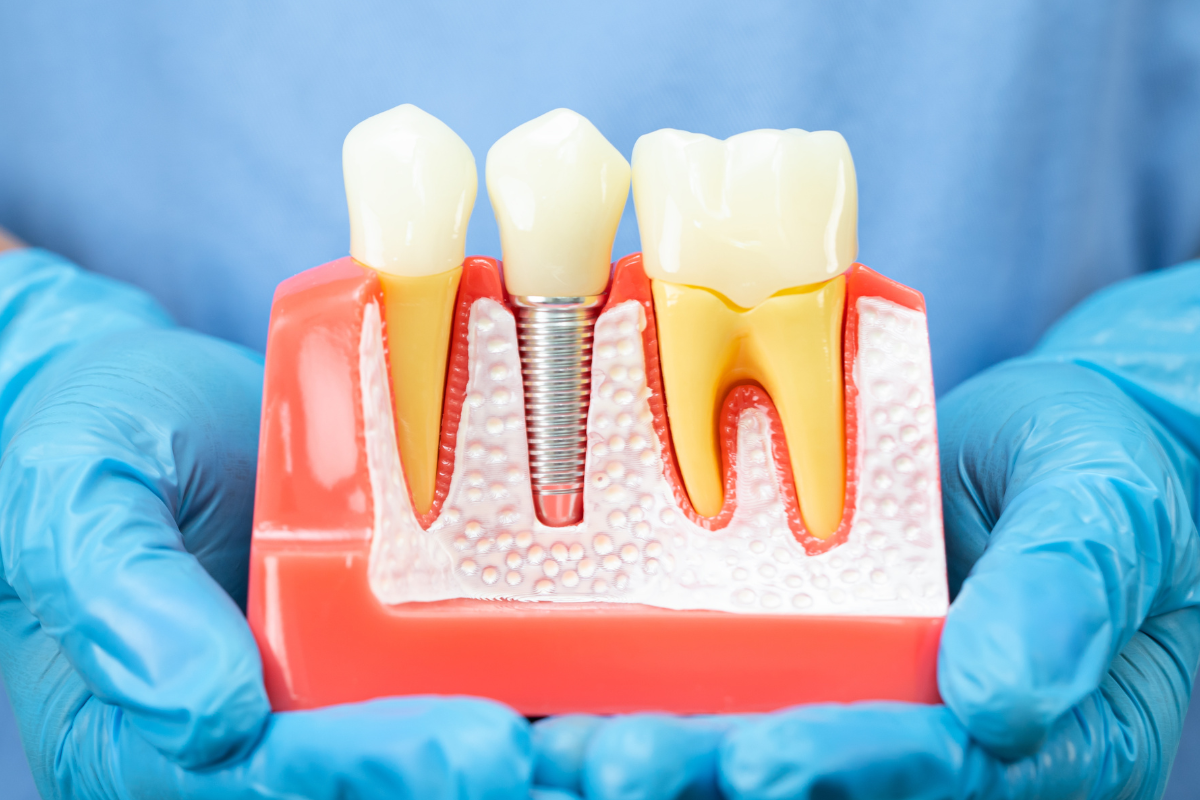
The main difference between dentures and implants is how replacement teeth are supported. Traditional dentures sit over the gums and may be removable. Dental implants use small titanium posts placed in the jawbone to replace the function of missing tooth roots. Once the implant has healed and integrated with the surrounding bone, it can support a dental crown, bridge, or implant-supported denture.
This added stability can make everyday activities such as eating and speaking more comfortable. Implants can also help maintain the jawbone by providing stimulation that is otherwise lost after natural teeth are removed.
Signs You May Be a Candidate for an Implant Upgrade
Not everyone who wears dentures will need or qualify for implants. Our dentist will consider several factors before recommending treatment. Good candidates generally have healthy gums, adequate jawbone support, and an overall health history that allows for healing after implant surgery in Henderson. If bone loss has occurred, a dentist may discuss procedures such as bone grafting before implant placement.
Your current dentures also matter. If they remain comfortable and functional, continuing with them may be reasonable. If they are becoming increasingly difficult to use, an implant consultation can help you understand what alternatives are available.
What to Expect From Dental Implant Treatment
The process usually begins with a comprehensive examination. Your dentist may use dental X-rays or 3D imaging to evaluate the jawbone, gums, and areas where implants could be placed. If treatment is appropriate, the implant is surgically positioned in the jaw. A healing period follows, allowing the implant to become securely connected with the surrounding bone. After healing, an abutment and replacement tooth or prosthesis can be attached.
The complete process can take several months, depending on your oral health, the number of implants needed, and whether additional procedures are required. Your dentist can provide a personalized timeline after evaluating your specific situation.
Can Implants Replace Dentures Completely?
In some cases, yes. However, implant treatment does not always mean replacing every denture with individual implants. For patients missing many or all teeth, several implants can sometimes support a fixed bridge or a more stable removable implant-supported denture. This approach can reduce movement compared with conventional dentures while still replacing multiple missing teeth. The appropriate option depends on factors such as bone availability, oral health, treatment goals, and budget.
Choosing the Right Time to Consider Implants
Moving from dentures to dental implants is a personal decision that should be based on your oral health, comfort, lifestyle, and long-term tooth replacement needs. Dentures can remain an effective option for many people, while implants may provide greater stability and help preserve the jawbone. A thorough dental evaluation is the best way to understand which approach fits your situation and what treatment may involve. There is no single point at which everyone should switch from dentures to implants. The decision depends on how well your current dentures function and whether your mouth can support implant treatment.
If you are experiencing persistent discomfort, difficulty eating, or problems with denture stability, schedule an evaluation with Aspire Dental in Henderson. A dental professional can examine your teeth, gums, and jawbone and explain whether dental implant treatment in Henderson may be appropriate for you.
FAQs
1. When should I consider replacing my dentures with dental implants?
You may want to consider implants if your dentures frequently slip, cause discomfort, make chewing difficult, or require repeated adjustments. A dental evaluation can determine whether implants are appropriate for you.
2. Are dental implants better than traditional dentures?
Dental implants and dentures serve different needs. Implants are anchored into the jawbone, which can provide greater stability, while traditional dentures are removable and rest on the gums. Your dentist can help you compare the options based on your oral health and goals.
3. Can dental implants be used if I already wear dentures?
Yes. People who currently wear dentures may be candidates for implant treatment. Depending on the condition of the jawbone and gums, implants may support individual replacement teeth, a bridge, or an implant-supported denture.
4. Can I get dental implants if I have bone loss?
Possibly. Bone loss does not automatically rule out implant treatment. Your dentist can evaluate your jawbone with dental imaging and may recommend bone grafting or another procedure if additional support is needed.
5. How long does dental implant treatment take?
The timeline varies from person to person. Implant placement requires a healing period before the final replacement tooth or prosthesis is attached. Additional procedures may also extend treatment time.